Prestigious Lancet Commission heralds new era for global dermatology
27 Feb 2026
The International League of Dermatological Societies (ILDS) has announced its role as a key contributor to a new Commission on Skin Health convened by The Lancet.
This landmark initiative is the first time the publication - one of the world’s most influential medical journals - has focused one of its highly-regarded Commissions entirely on skin health. The ILDS, which represents more than 175,000 dermatologists worldwide, says the decision represents a major step forward in achieving global recognition that skin diseases are serious public health conditions which affect billions of people.
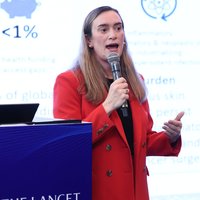
The Lancet Commission on Skin Health will be co-chaired by Professor Xiang Chen, Dr Esther Freeman and Professor Sinéad Langan.
Professor Chen is Professor of Dermatology at Xiangya Hospital in China - the primary academic hosting institution for the Commission. Professor Freeman is Associate Professor of Dermatology at Harvard Medical School and Vice Chair of the ILDS’ International Foundation for Dermatology. Professor Langan is Professor of Clinical Epidemiology at the London School of Hygiene & Tropical Medicine and Honorary Consultant Dermatologist at St John’s Institute of Dermatology.
The Commission’s members are drawn from every region of the world. It aims to:
- Elevate dermatology on the global health agenda, ensuring skin disease is represented alongside other non-communicable and infectious diseases in policy discussions
- Generate authoritative evidence and recommendations to guide governments, the World Health Organization (WHO) and funders in improving global access to dermatological care
- Unite experts, patients, and policymakers to advance equity, research and education in skin health.
In the coming years, the Commission will conduct an in-depth examination of a range of pressing issues relating to skin health. These include the shift from communicable to non-communicable diseases in nations transitioning to an industrialising era; an evaluation of levels of access to dermatological care globally and of ways to strengthen workforce capacity; the integration of skin-related neglected tropical diseases into primary health care; and advances in the early detection of skin cancers including melanoma, focusing on the role of artificial intelligence (AI).
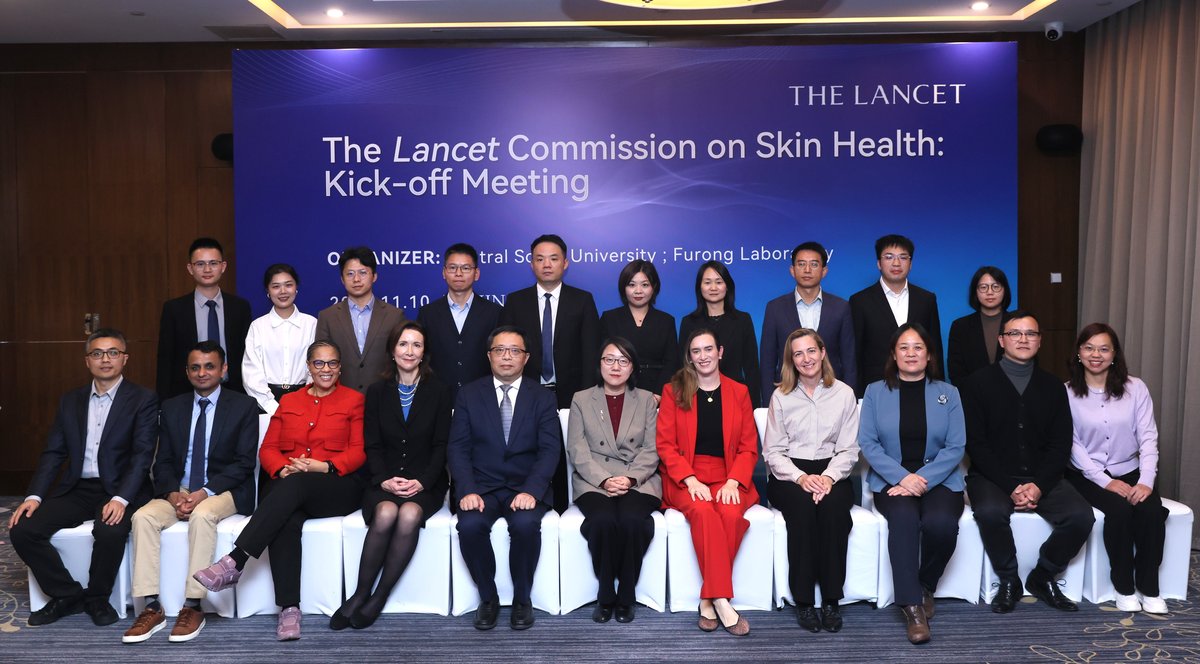
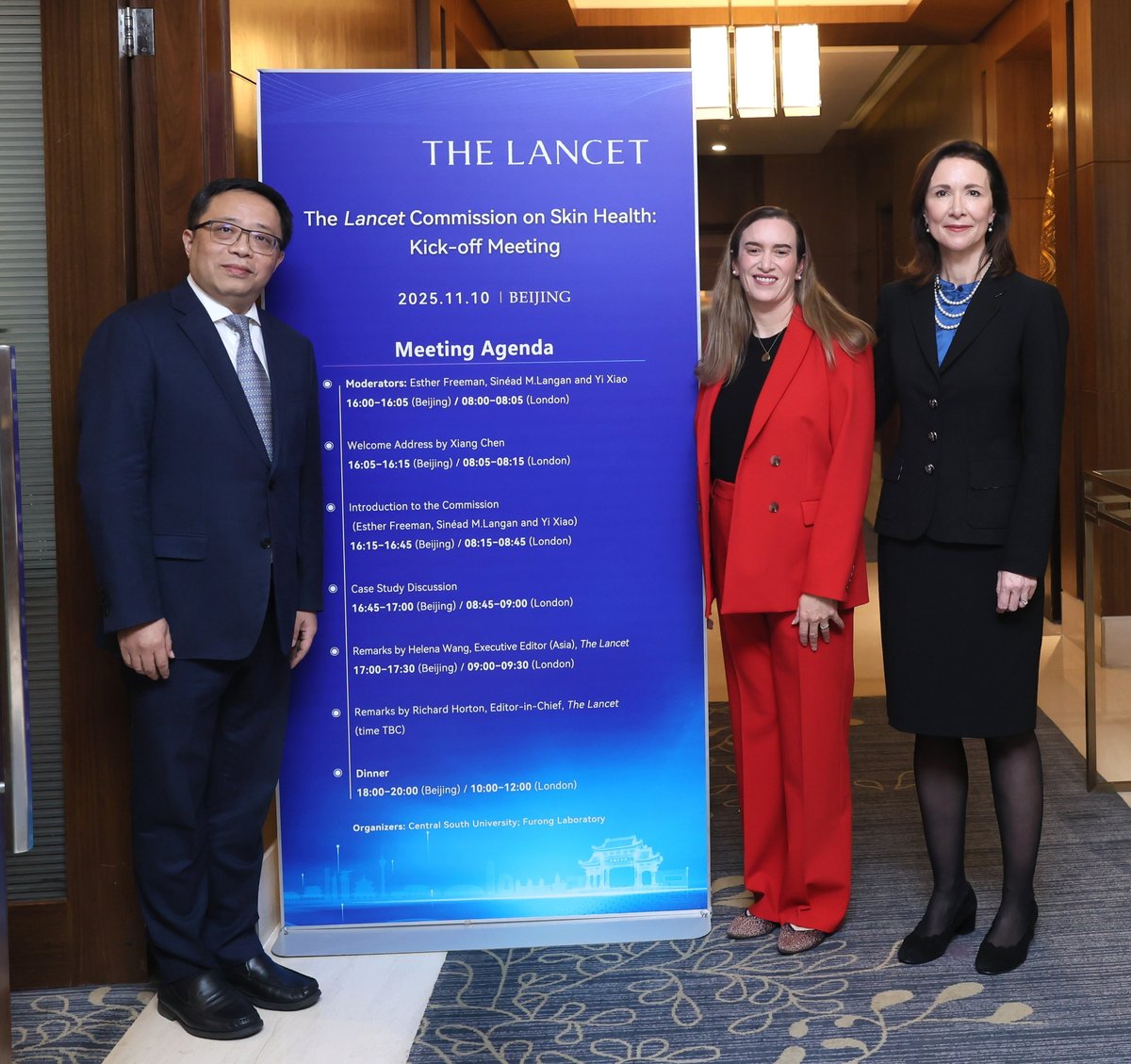
As host for the Commission, Central South University in Changsha, China, held a kick-off meeting for its members in mid-November 2025.
A Lancet Commission is one of the most respected platforms in global health. Each brings together a group of international experts to provide a comprehensive, state-of-the-art review of a major health issue and to produce evidence-based recommendations that influence global health policy, WHO strategies and funding priorities.
The Lancet Commission on Skin Health will build on momentum achieved earlier this year following the World Health Assembly Resolution, which formally recognised skin diseases as a Global Health Priority.
We’re deeply grateful to The Lancet for the opportunity to underscore that skin health is integral to overall health. Gathering voices from across the globe provides an unparalleled opportunity to unite our perspectives and work collectively on the most pressing skin health challenges of our time.
Dr Esther Freeman

China represents the ‘yesterday’ of dermatological transitions in high-income countries and the ‘tomorrow’ for many developing regions. In understanding China’s unique ‘transition landscape,’ we will gain insights with broader implications to help us provide scalable, reproducible pathways to improve skin health globally.
Professor Xiang Chen
This initiative will highlight the global importance of skin health and disease. We’re hugely grateful to Professor Richard Horton and Dr Helena Wang, Lancet Asia editor, for their vision in recognising the importance of skin health through their support for this Commission.
Professor Sinead Langan
ILDS President, Professor Henry W. Lim added: “The ILDS and its members have long championed skin health as a cornerstone of overall wellbeing. With the establishment of the Lancet Commission on Skin Health, dermatology takes its rightful place on the global health stage, supported by one of the world’s most influential scientific voices."
Alongside the Commission announcement, a Comment published in The Lancet sets out the global context for skin health and outlines why coordinated international action is now urgently needed. Read the Comment here.
Comment pieces are written by experts in the field, and represent their own views, rather than necessarily the views of The Lancet or any Lancet specialty journal. Unlike Articles containing original research, not all Comments are externally peer reviewed.
Members of The Lancet Commission
Co-chairs: Professor Xiang Chen (China), Dr Esther Freeman (USA) and Professor Sinéad Langan (UK).
Commissioners present for the kick-off, either in person or online: Professors Ncoza Dlova (South Africa), Niraj Parajuli (Nepal), Victoria Mar (Australia), Ramesh Bhat (India), Adriene Lee (Australia), Sebastian Oiwoh (Nigeria), Valeria Aoki (Brazil), Alice Amani (Rwanda), Yi Xiao (China) and Henry W. Lim (USA).
Countries represented:
- China (host)
- Australia
- Brazil
- India
- Mali
- Nepal
- Nigeria
- Rwanda
- South Africa
- UK
- USA
About the International League of Dermatological Societies (ILDS)
The ILDS has 232 member societies across 110 countries, representing more than 175,000 dermatologists worldwide. It holds ‘official relations’ status with the World Health Organization and champions the inclusion of skin health in global health policy – promoting education, clinical care, research and innovation globally.
About the International Foundation for Dermatology (IFD)
The International Foundation for Dermatology (IFD) was created in 1987 by the ILDS to improve skin health in areas of low resource. It supports projects all over the world including in Africa, Asia Pacific and South America.