Over 2,300 Refugees Treated and 20 Healthcare Providers Trained in a Migrant Health Outreach in Kakuma, Kenya
12 May 2026
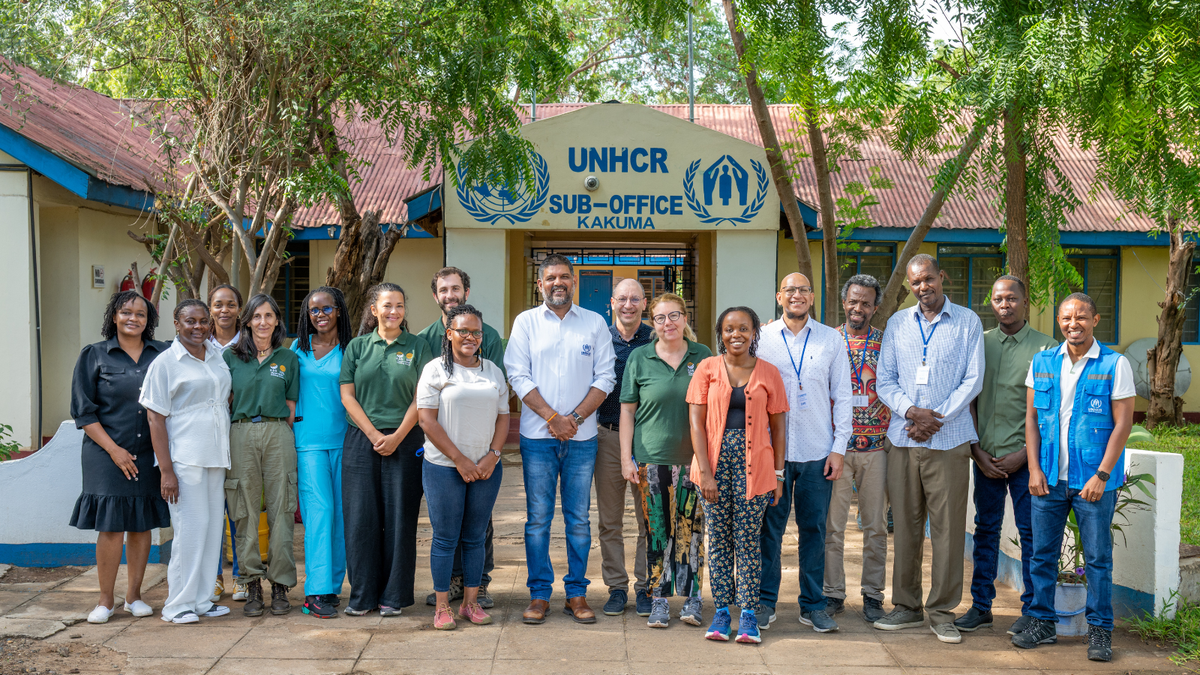
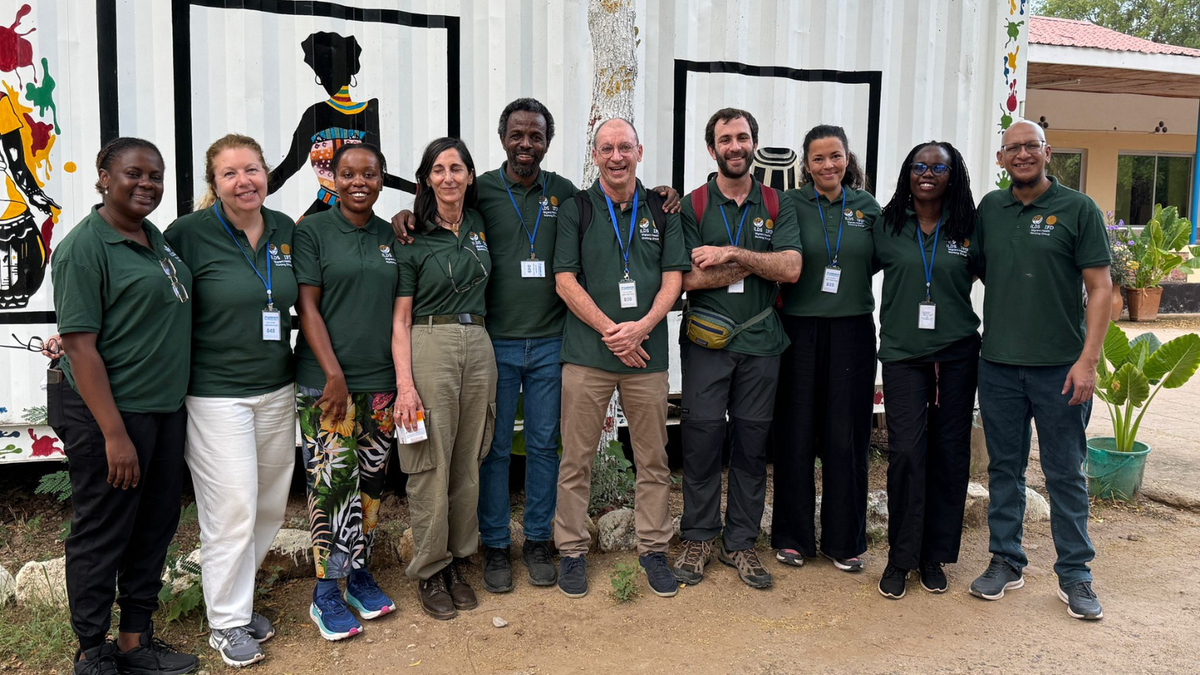
In March 2026, the International Foundation for Dermatology (IFD), the foundation of the International League of Dermatological Societies (ILDS), carried out a one-week medical outreach to Kakuma Refugee Camp in Kenya through its Migrant Health Working Group (MHWG), in collaboration with UNHCR Kenya, the WHO Kakuma regional office, and WHO Headquarters. The outreach took place from 23-27 March.
This outreach aimed to:
- Provide clinical consultations to the refugees living in the camp and the local populations in the nearby city
- Deliver “on-the-job” training and theoretical classes to healthcare professionals working in the Camp
- Assess and roll out a teledermatology service to ensure sustainable outcomes
- Gather and analyse data on Skin NTDs to be reported to the WHO regional and HQ offices, and the Ministry of Health, Kenya.
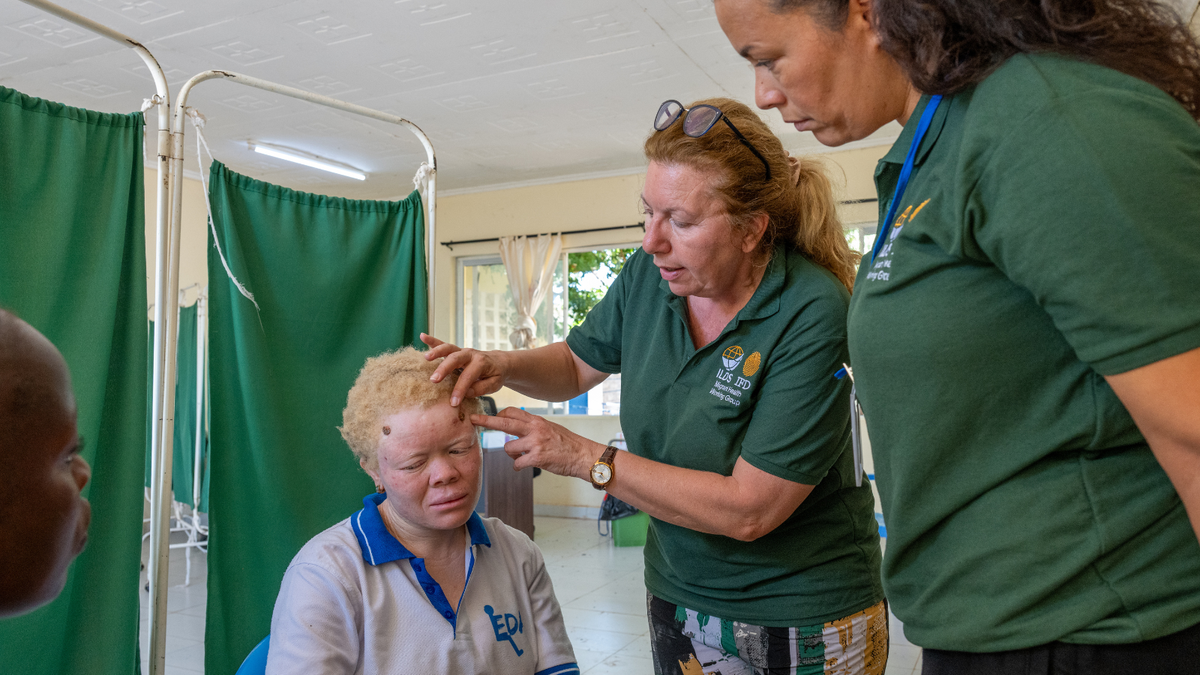
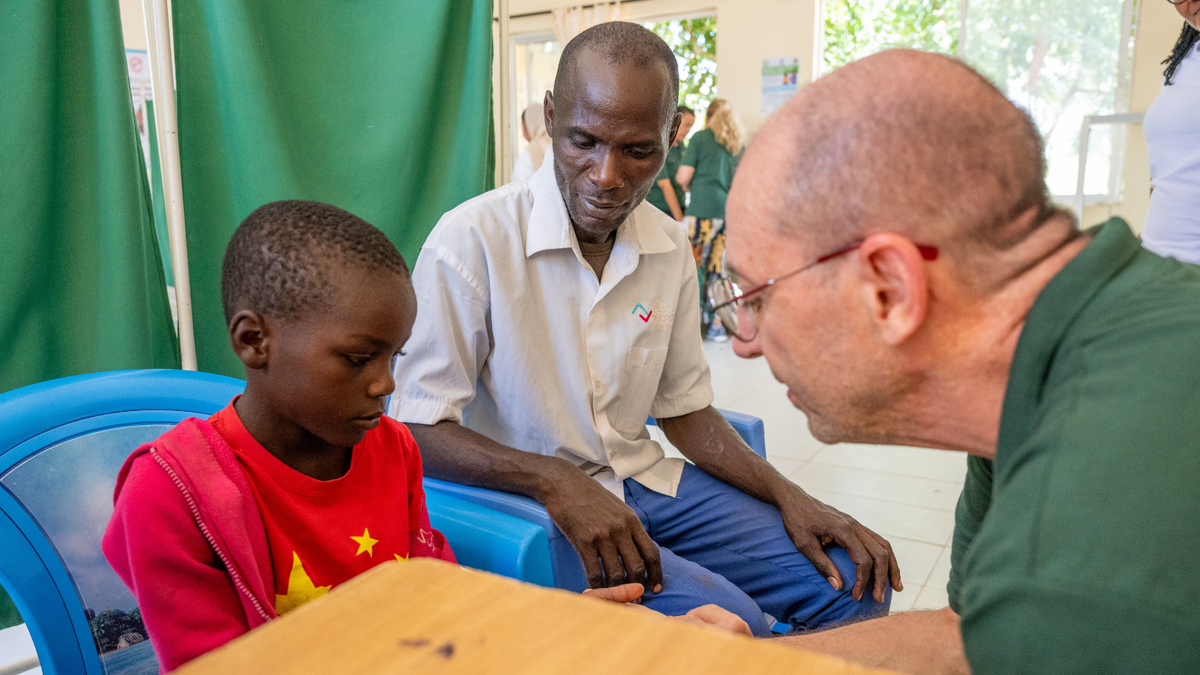
During the outreach, the team provided clinical consultations to over 2,300 refugees, with the majority of them aged between 15 and 35 years old. They identified the most prevalent skin diseases in the Camp, which included: dermatophytosis, atopic dermatitis, scabies, and lichen simplex chronicus.
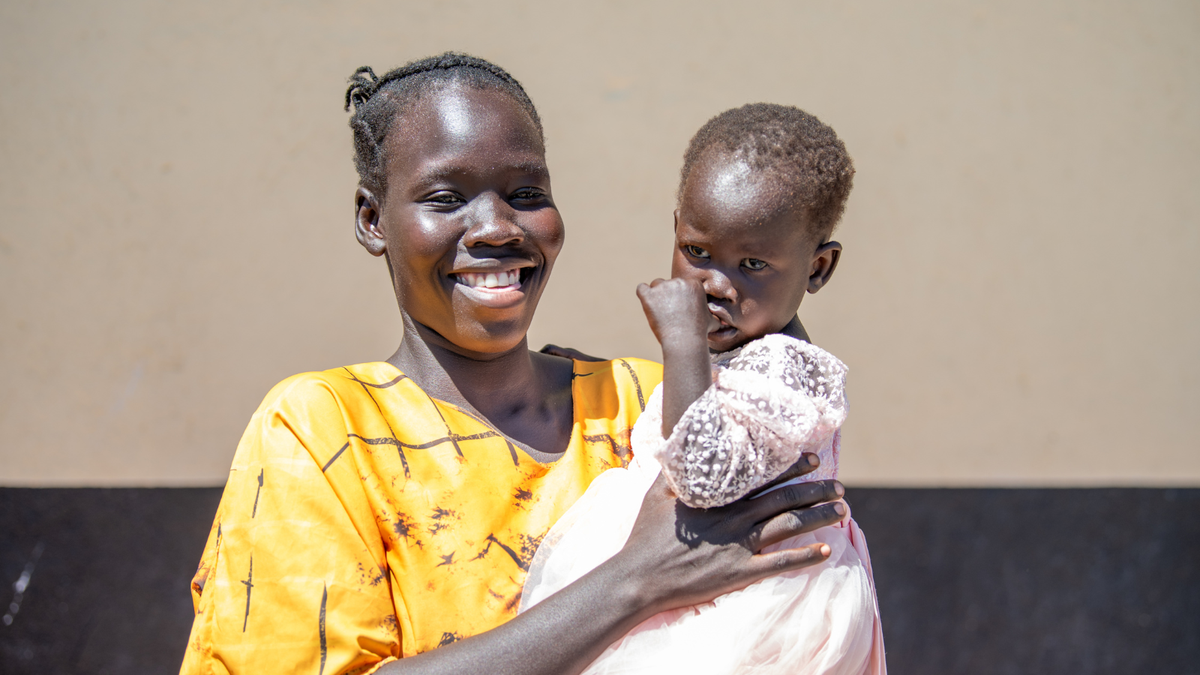
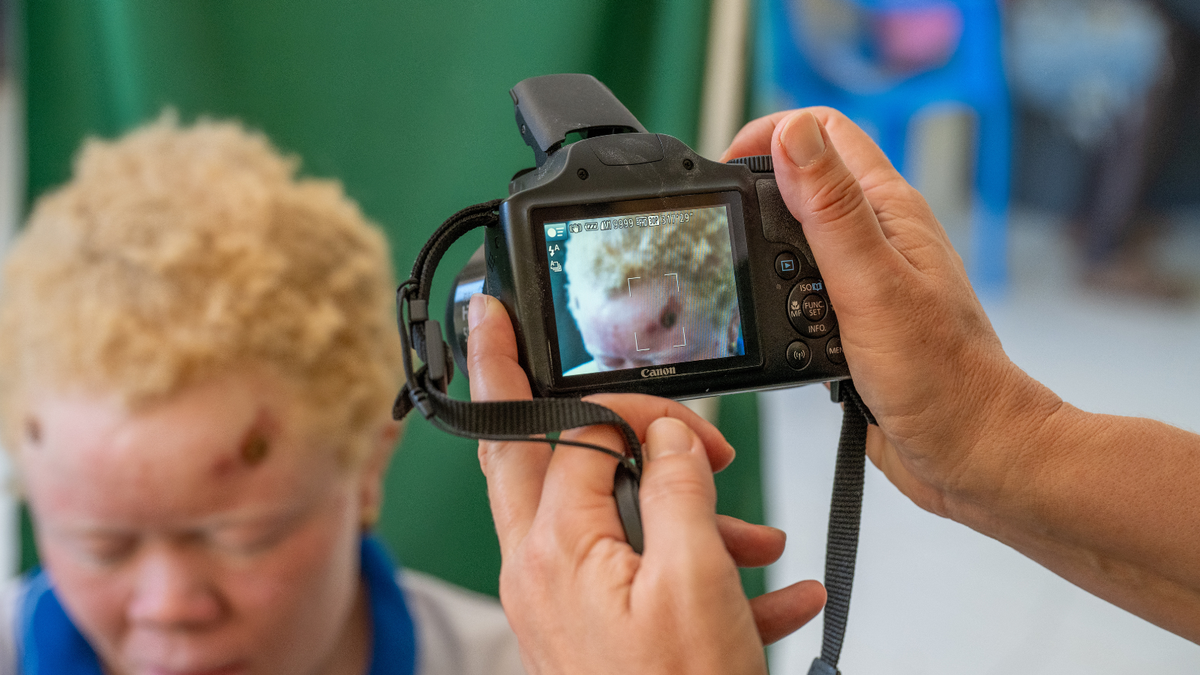
Several persons with albinism had also been notified and encouraged to come to the clinics to receive screening, treatment and sunscreens.
All data was captured using the DHIS2 system provided and monitored by the WHO, which enables the following analysis to yield data to support policy and planning discussions with governmental and international-level health service decision-makers, as well as direct the development of skin disease diagnostic and management guidelines for migrant health and refugee settings.
The skin health of refugees and displaced people in the Kakuma camp reflects poor living and housing conditions, which are key social determinants of health. Some skin conditions, such as fungal infections, have become endemic in the region, and public health responses should be tailored accordingly.
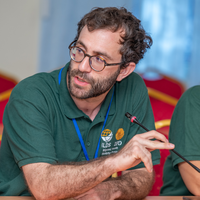
"We should advocate for increased resources and targeted interventions to improve skin health among underserved populations living at the margins of society. With increasing war and instability, climate change, and economic crises worldwide, it is essential to identify suitable and scalable solutions to address skin and sexual health during displacement and prolonged stays in refugee camps. Integration with the healthcare systems of host countries should be encouraged to reduce the spread of skin infections and prevent chronic conditions that can lead to disability among affected populations" Dr Valeska Padovese, Chair of the MHWG
Building Sustainable Dermatology Capacity in Kakuma
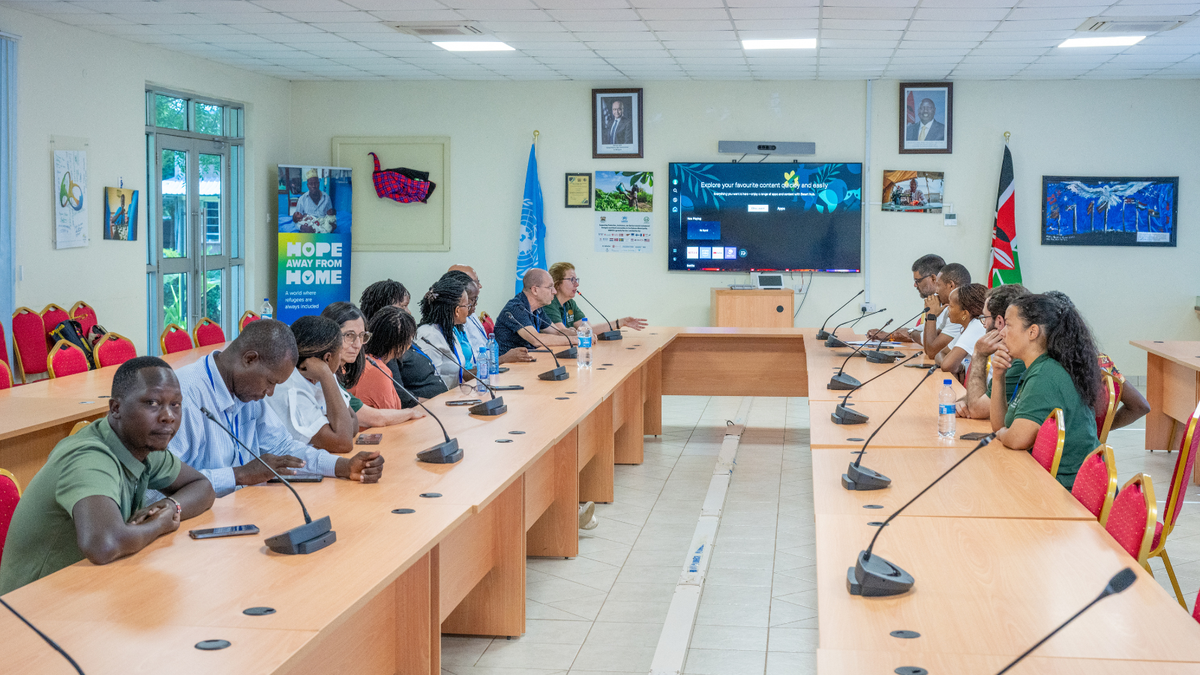
Additionally, to ensure a more lasting impact, the team delivered on-the-job and theoretical training sessions and introduced a Teledermatology service.
Twenty healthcare providers and ten community volunteers received training. The emphasis focused on the identification of prevalent health conditions, the administration of essential medical treatments, and the evaluation of cases requiring referral to higher levels of care.
Four theoretical lessons were also created and delivered to Healthcare Professionals (HCPs) following the clinics by two or three specialists.
These educational events aimed to strengthen the skin health knowledge of staff within the camp, thereby leaving behind a long-lasting positive impact. The introduction of how to use the Teledermatology platform was included in this training, facilitating the potential for HCPs to consult with specialist care remotely in the future, and continuing medical education for healthcare workers in the camps.
Organising an outreach of this kind requires a high level of coordination among all partners involved. From the outset, we worked closely with UNHCR and WHO Kenya and Geneva to ensure everything ran smoothly, from the provision of medicines to transport logistics.
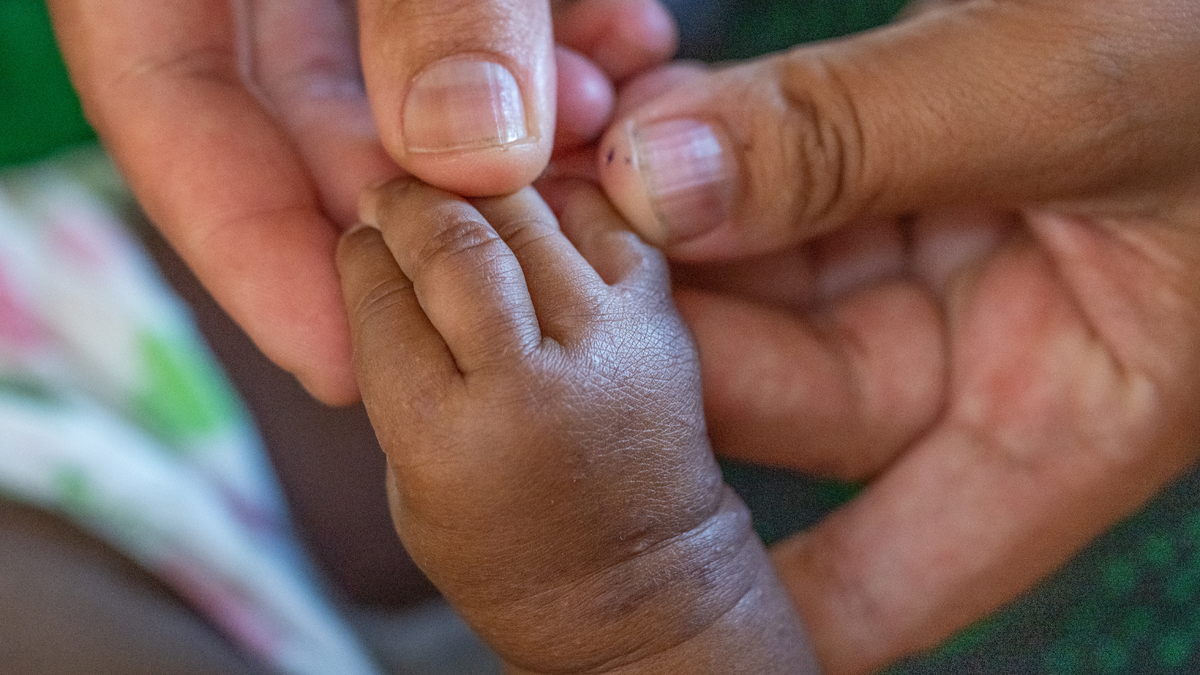
"We must also acknowledge the outstanding work carried out not only by the participating Kenyan and international dermatologists, but also by the whole support team, including drivers, translators, cultural mediators, and local healthcare workers. Without them, the success of this outreach, which allowed us to treat so many patients and help local healthcare professionals improve their dermatological diagnostic and therapeutic skills, would not have been possible. " - Dr Juan Ortiz Alverz, Subgroup Lead.
Supporting Refugee Communities in Kakuma - School engagement and youth leadership to increase drug consumption for NTD treatments
According to the latest annual report from the UNHCR Kenya, the total number of the registered population in Kakuma Refugee Camp and the Kalobeyei Integrated Settlement is 308,415. These refugees are primarily from South Sudan, Somalia, Congo DRC and Ethiopia.
The UNHCR works closely with the Kenyan Government’s Department of Refugee Services and the County Government of Turkana in managing the Kakuma Refugee Camp. Other organisations, such as the International Red Cross and the Kenyan Red Cross, all play vital roles in providing support and care for refugees and asylum seekers.
They fully recognise that, due to the limited resources, skin diseases remain highly prevalent.
International and Local Collaboration for Lasting Impact
The team was composed of ten dermatologists and two WHO medical officers: five of them are members of the MHWG, and five are Kenyan dermatologists. As a member of the International League of Dermatological Societies (ILDS), the Kenyan Association of Dermatology (KAD) was involved from the start of the preparation stage and throughout the project. The ILDS recognises the vital role its members have in carrying out impactful and lasting projects, noting how critical engagement with on-the-ground experts is for long-term success.
Thank you to all our incredible volunteers and colleagues from our collaborating partners who made this mission possible:
Dr Valeska Padovese (Italy/Malta), Dr Juan Ortiz Alvarez (Spain), Dr Amna Elyas (Sweden), Prof Wendemagegn Enbiale (Ethiopia), Dr María Cristina Galván Casas (Spain), Dr Hashim Kaderbhai (Kenya), Dr Cyndy Shisia Muliro (Kenya), Dr Karen Waithera Wainaina (Kenya), Dr Gacheri Pauline Kathiri (Kenya), Dr Caroline Mwatha (Kenya), Dr Jose Antonio Ruiz Postigo (Spain/Switzerland), and Dr Esther Kinyeru (Kenya), Dr Jesse Wambugu (Kenya), and Damaris Kamau (Kenya)
As a Kenyan dermatologist, it was a privilege to participate in the Kakuma mission alongside the International League of Dermatological Societies (ILDS).
"The experience brought to light the immense dermatological burden in underserved regions - ranging from common skin infections and inflammatory conditions to, most importantly, neglected tropical diseases - often compounded by limited access to dermatologic care and essential resources.
We are deeply grateful to the ILDS for this impactful initiative. Their commitment to advancing global skin health empowers national societies to take on leading roles in delivering sustainable, community-centred dermatologic care. As a dermatologist from Kenya and a member of KAD, I am committed to building on this foundation and continuing to improve access to quality dermatologic services within our communities." - Dr Gacheri P Kathiri
Building Long-Term Support for Vulnerable Communities
This medical outreach initiative in Kakuma has marked the beginning of a long-term effort to support vulnerable communities in the region. The programme delivered essential dermatological care to residents, resulting in notable improvements in patient health during the visit. The team is also continuing discussions with partners to identify additional support opportunities and the possibility of a follow-up visit in the near future.
The success of this trip reflects ongoing efforts by the ILDS to address healthcare disparities in underserved communities. They also highlighted the importance of coordinated action, noting that collaboration between organisations remains key to tackling complex and global health challenges.
Special thanks to UNHCR Kakuma for providing the photographs featured in this article.
IFD Migrant Health Working Group (MHWG)
Bringing together global specialists to discuss skin health issues facing migrants and refugees.
Learn more about the IFD MHWG
Learn more