Toxic ingredients in skin-lightening products

Toxic heavy metal
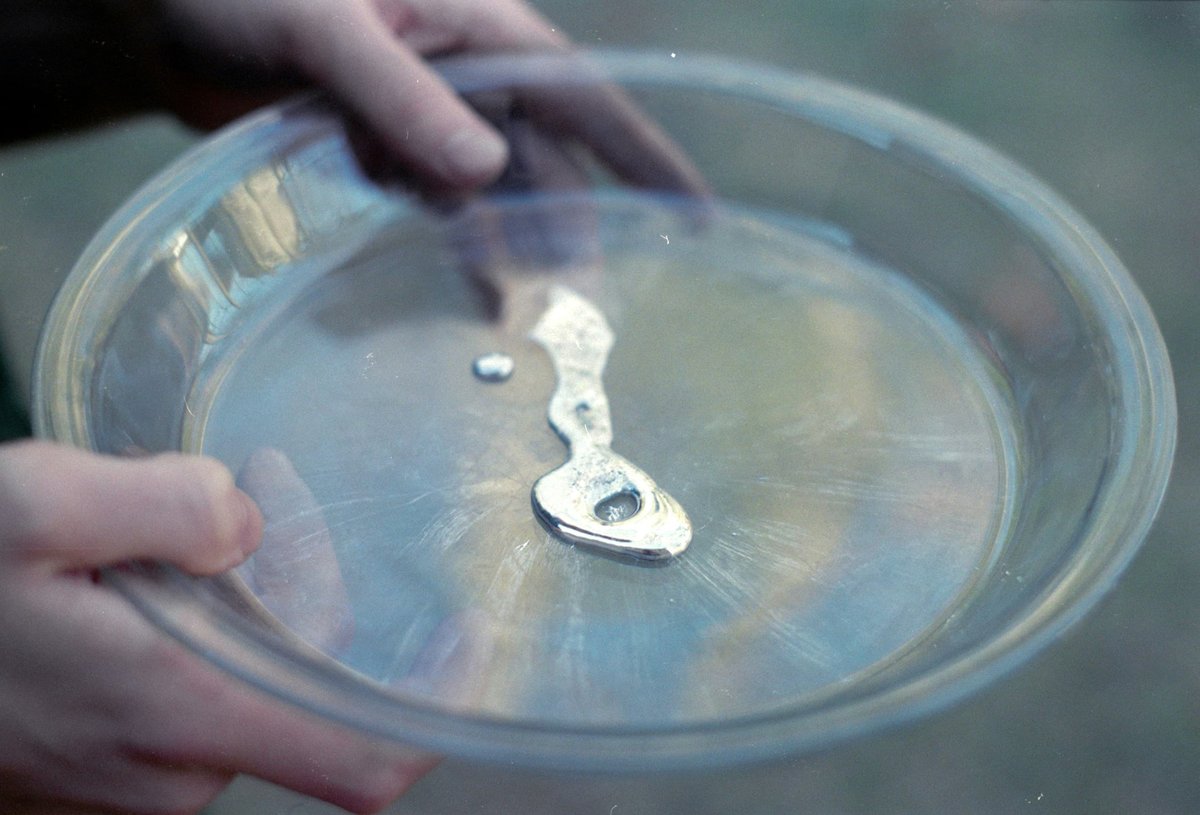
Mercury has no safe role in cosmetic skin-lightening products. It inhibits melanin production but is highly toxic and can be absorbed through the skin. Mercury accumulates in the body over time and can also expose family members through contaminated clothing, towels and household surfaces.
Mercury is prohibited in cosmetics under the Minamata Convention on Mercury and cosmetic regulations in many countries, including the EU, UK and numerous other jurisdictions. Despite these restrictions, mercury-containing skin-lightening products continue to be manufactured, imported and sold illegally in many parts of the world.
On labels, it may appear as:
- Mercurous chloride (calomel)
- Ammoniated mercury
- Mercuric chloride
- Mercurio
- Mercury
Can cause:
- Kidney damage
- Damage to the nervous system (including tremors, memory problems and numbness)
- Skin rashes and irritation
- Anxiety, depression and mood changes
- Harm to the developing fetus and young children through prenatal or household exposure
Melanin-suppressing compound
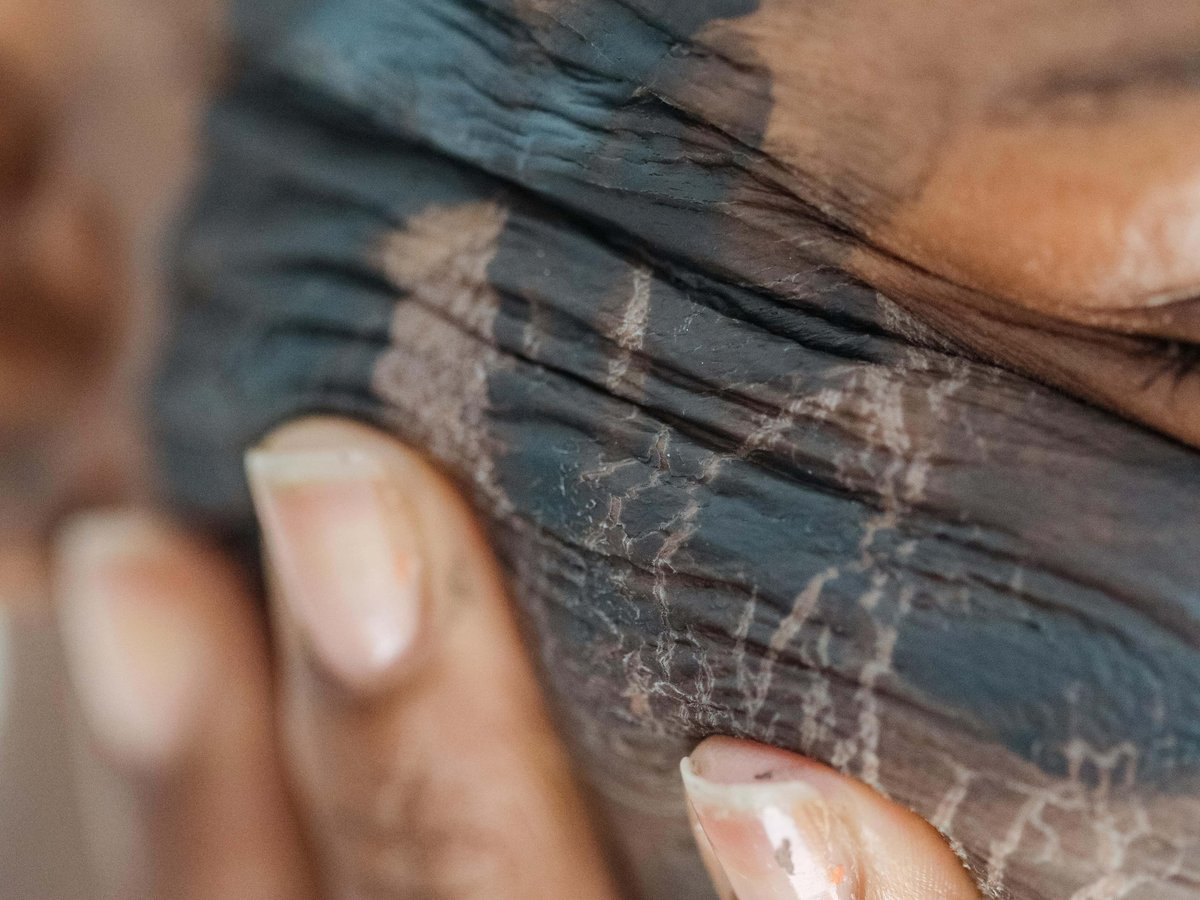
Hydroquinone reduces melanin production and remains an effective prescription treatment for conditions such as melasma and post-inflammatory hyperpigmentation when used under appropriate medical supervision. However, prolonged or unsupervised use, particularly in high concentrations or in unregulated products, can cause serious adverse effects.
Many countries restrict hydroquinone in cosmetic products. It is prohibited in cosmetic products in the EU, UK and South Africa. In the United States, hydroquinone is available by prescription only following the removal of over-the-counter products in 2020. In Canada and Australia, higher concentrations require a prescription.
On labels, it may also appear as:
- Quinol
- 1,4-Dihydroxybenzene
- HQ
Can cause (particularly with prolonged or unsupervised use):
- Contact dermatitis
- Exogenous ochronosis (permanent blue-black pigmentation)
- Corneal and conjunctival pigmentation
- Persistent skin irritation
- Increased sensitivity to sunlight
Misused anti-inflammatory steroids
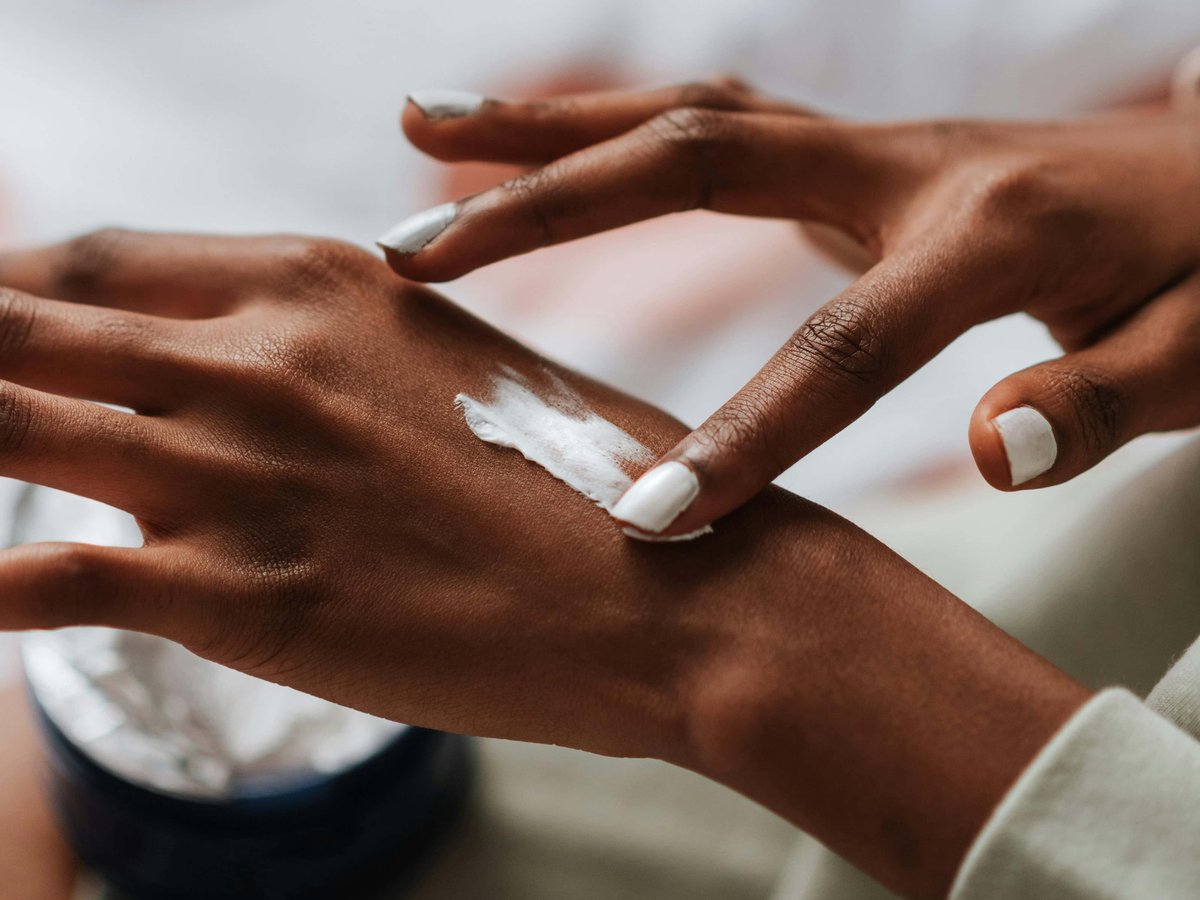
Potent topical corticosteroids are prescription medicines intended for the short-term treatment of inflammatory skin conditions. They are not intended for routine cosmetic skin lightening. When used repeatedly over large areas of the body or on the face without medical supervision, they can cause significant local and systemic side effects.
Look out for names on the cream ingredient list such as:
- Clobetasol propionate
- Betamethasone valerate
- Fluticasone propionate
- Flucinolone acetonide
- Mommetasone furoate
When misused, can cause:
- Skin thinning (atrophy)
- Stretch marks
- Acne and rosacea
- Delayed wound healing
- Bacterial, viral and fungal skin infections
- Cushing syndrome
- Adrenal suppression or adrenal insufficiency
- Glaucoma and cataracts (particularly when used around the eyes)
- Elevated blood glucose and hypertension with prolonged systemic absorption
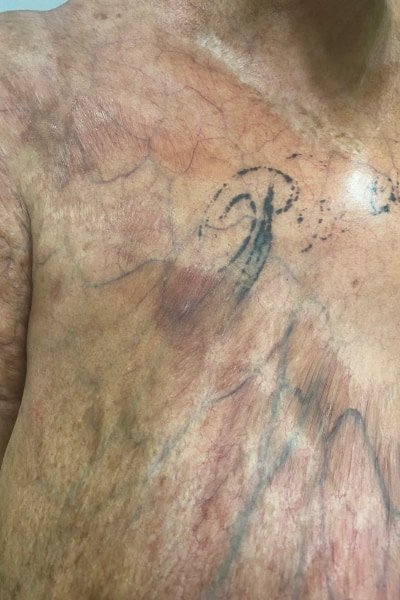
Skin thinning and easy bruising from long-term inappropriate use of topical steroids for skin bleaching.
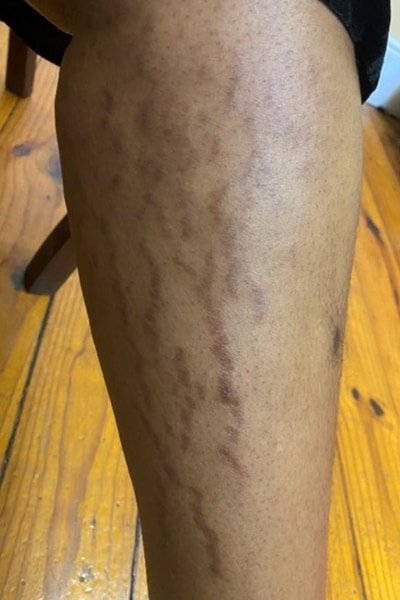
Permanent stretch marks due to topical steroid cream abuse.
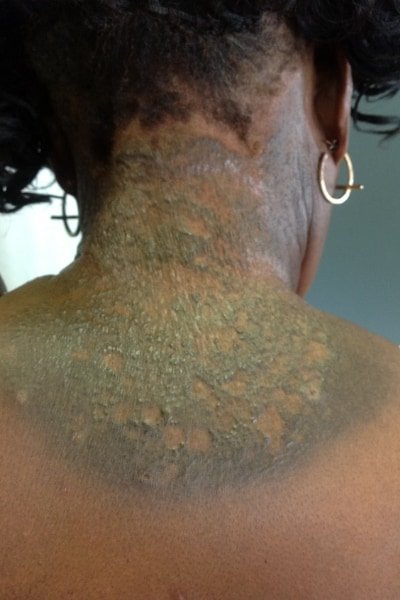
Exogenous ochronosis due to hydroquinone abuse.
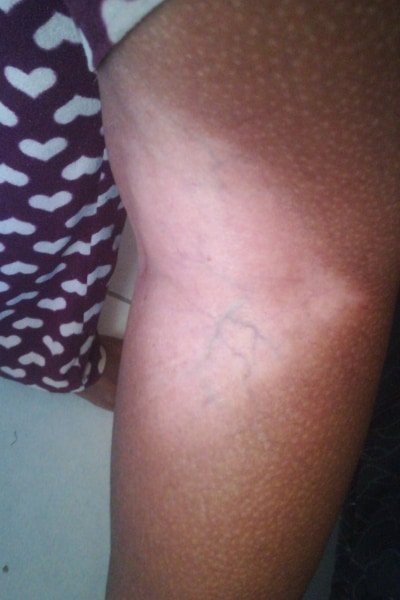
Telangiectasia (sometimes referred to as “spider veins” when the blood vessels have a branching appearance) from long-term inappropriate use of topical steroids for skin bleaching.