The Lancet Commission on Skin Health
Convened by

Academic host
In partnership with
The International League of Dermatological Societies (ILDS) is a key contributor to a new Commission on Skin Health convened by The Lancet.
This landmark initiative is the first time the publication - one of the world’s most influential medical journals - has focused one of its highly-regarded Commissions entirely on skin health. Together with our members, we represent 200,000 other dermatological professionals worldwide, and this decision marks a major step toward achieving global recognition that skin diseases are serious public health conditions affecting billions of people.
Jump to:
Why is the Commission so important?
A Lancet Commission is one of the most respected platforms in global health. Each brings together a group of international experts to provide a comprehensive, state-of-the-art review of a major health issue and to produce evidence-based recommendations that influence global health policy, WHO strategies and funding priorities.
The Lancet Commission on Skin Health will continue to build on the momentum achieved earlier this year following the World Health Assembly Resolution, which formally recognised skin diseases as a Global Health Priority.
The Commission's aims
The Commission’s members are drawn from every region of the world. The Commission aims to:
- Elevate dermatology on the global health agenda, ensuring skin disease is represented alongside other non-communicable and infectious diseases in policy discussions
- Generate authoritative evidence and recommendations to guide governments, the World Health Organisation (WHO) and funders in improving global access to dermatological care
- Unite experts, patients and policymakers to advance equity, research and education in skin health
What issues will the Commission research?
The Commission will examine three core questions on skin health:
1. The Burden
What is the preventable, addressable burden of skin disease across regions and the life course, and what is driving the way that burden is shifting?
2. Delivery & coverage
What targets and delivery models can advance universal health coverage for skin health, through community education, primary care integration, and referral pathways?
3. Essential services
What defines an essential package of skin health services, spanning prevention, education, point-of-care diagnostics, essential medicines, teledermatology, and psychosocial support?
The organisational structure of the Commission
The Academic Host
Central South University in Changsha, China, serves as the academic host of the Lancet Commission on Skin Health. As host institution, the University, through its renowned Xiangya Hospital, provides the academic base and organisational infrastructure for the Commission's work.
The Academic Host provides the institutional base for a Lancet Commission, offering the administrative, financial and research support needed to deliver its work. It also lends its expertise, networks and reputation, helping to shape the commission's direction and amplify its impact.
Central South University was selected as the academic host of The Lancet Commission on Skin Health in recognition of its long-standing leadership in dermatology and its strategic position to inform a global, transition-focused agenda for skin health.
Chairs and Commissioners
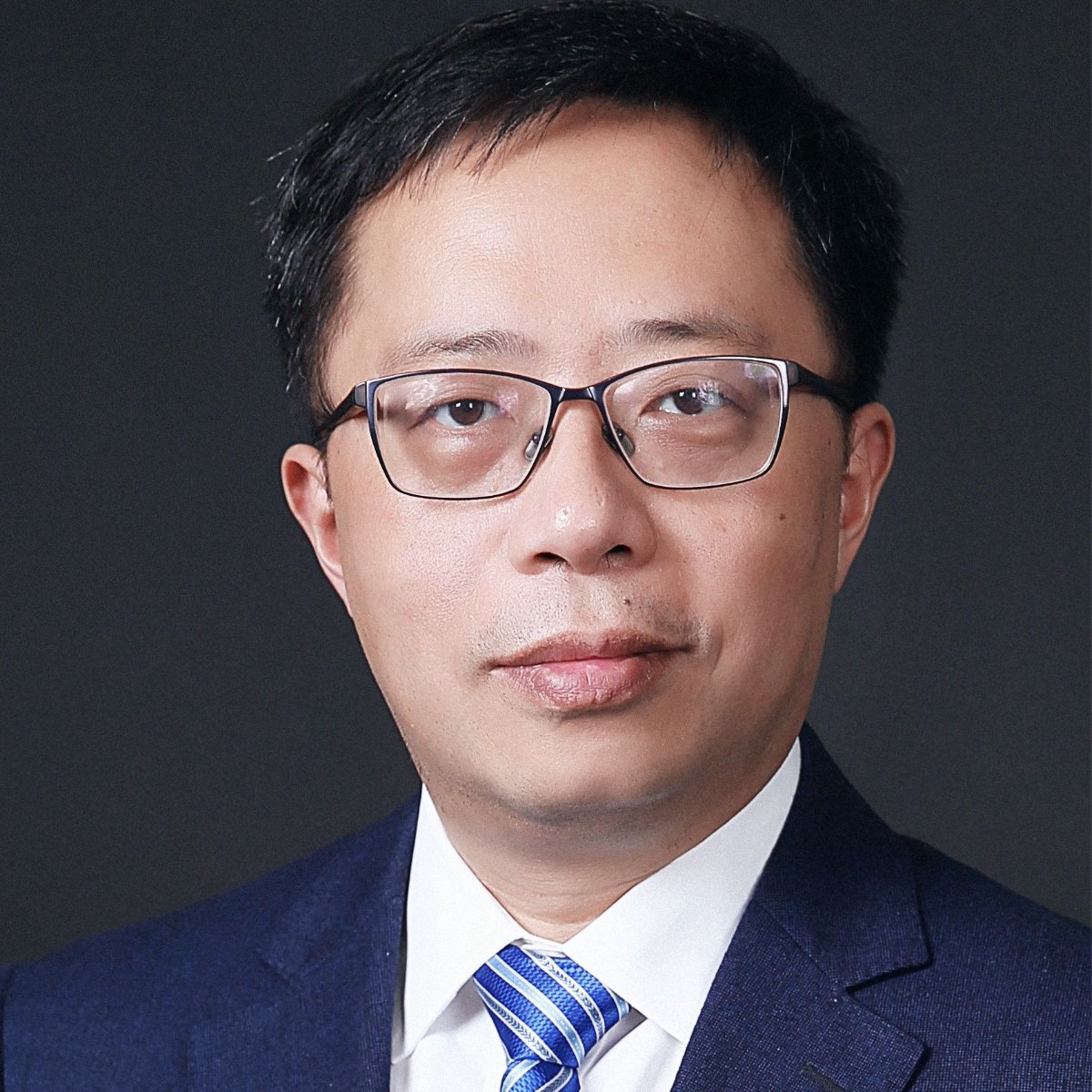
The Lancet Commission on Skin Health will be co-chaired by Professor Xiang Chen, Dr Esther Freeman and Professor Sinéad Langan.
Commissioners of a Lancet Commission are experts appointed to work on the commission. They are a multidisciplinary group of academics, clinicians, researchers and policymakers selected for their expertise on the commission's topic. Drawn from institutions around the world, they will spend two to three years reviewing evidence, conducting analysis and producing a comprehensive report with recommendations to shape policy, practice and research in global health.
The Advisors
Commission Advisors provide expertise and guidance to a Lancet Commission in a consultative capacity. They offer critical feedback on draft findings, advise on technical, policy or regional matters, and contribute at key stages.
News
4 April 2026 - ILDS
The Lancet announces new Commission on Skin Health
This landmark initiative is the first time the publication - one of the world’s most influential medical journals - has focused one of its highly-regarded Commissions entirely on skin health.
Read the article on ILDS.org17 March 2026 - Personal Care Insights
New Lancet Commission puts skin disease in global health spotlight
"According to The Lancet, skin diseases affect nearly 5 billion people globally, yet remain widely underfunded and misunderstood in public health systems. Many countries have fewer than three dermatologists per million people."
Read the article on personalcareinsights.com13 March 2026 - Medscape

Lancet Commission on Skin Health Elevates Global Dermatology Priorities
"If the experts behind the newly formed Lancet Commission on Skin Health have their way, the sun will never set on effective, efficient, and equitable dermatologic care."
Read the article on medscape.comMarch 2026 - The Dermatology Digest

The Lancet Launches Commission on Skin Health
"The Lancet is launching a new Commission on Skin Health, and the International League of Dermatological Societies (ILDS) is set to contribute to this initiative.
"This marks the first time the publication will focus one of its Commissions entirely on skin health."
Read the article on thederdigest.comPublications
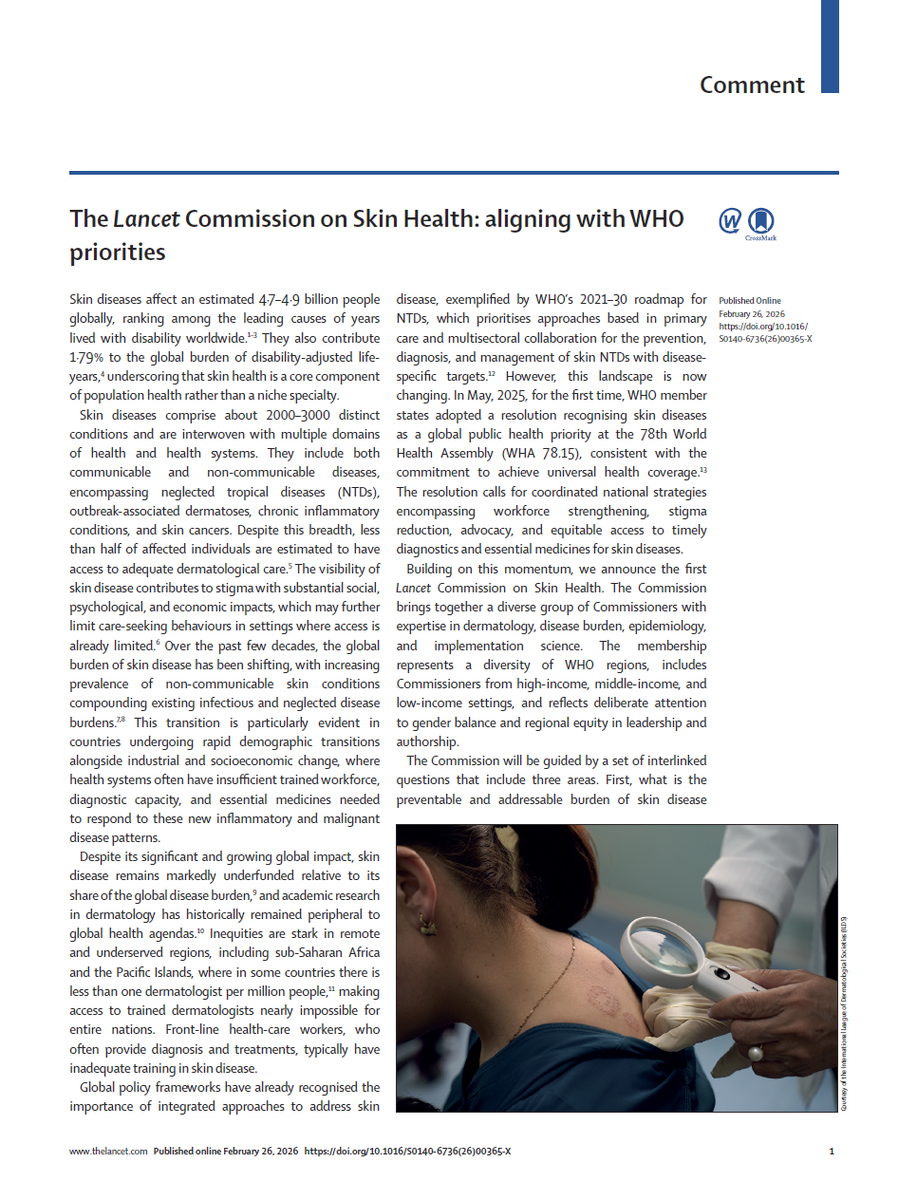
Alongside the Commission announcement, a Comment published in The Lancet sets out the global context for skin health and outlines why coordinated international action is now urgently needed.
Read the Comment (PDF)Milestones
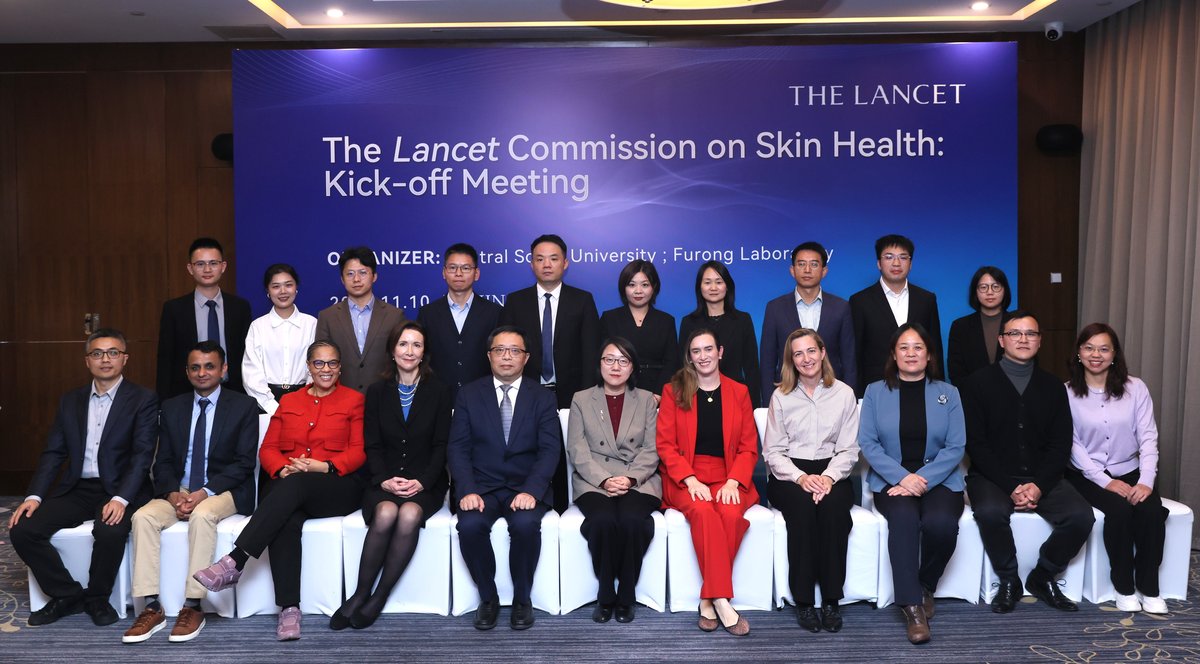
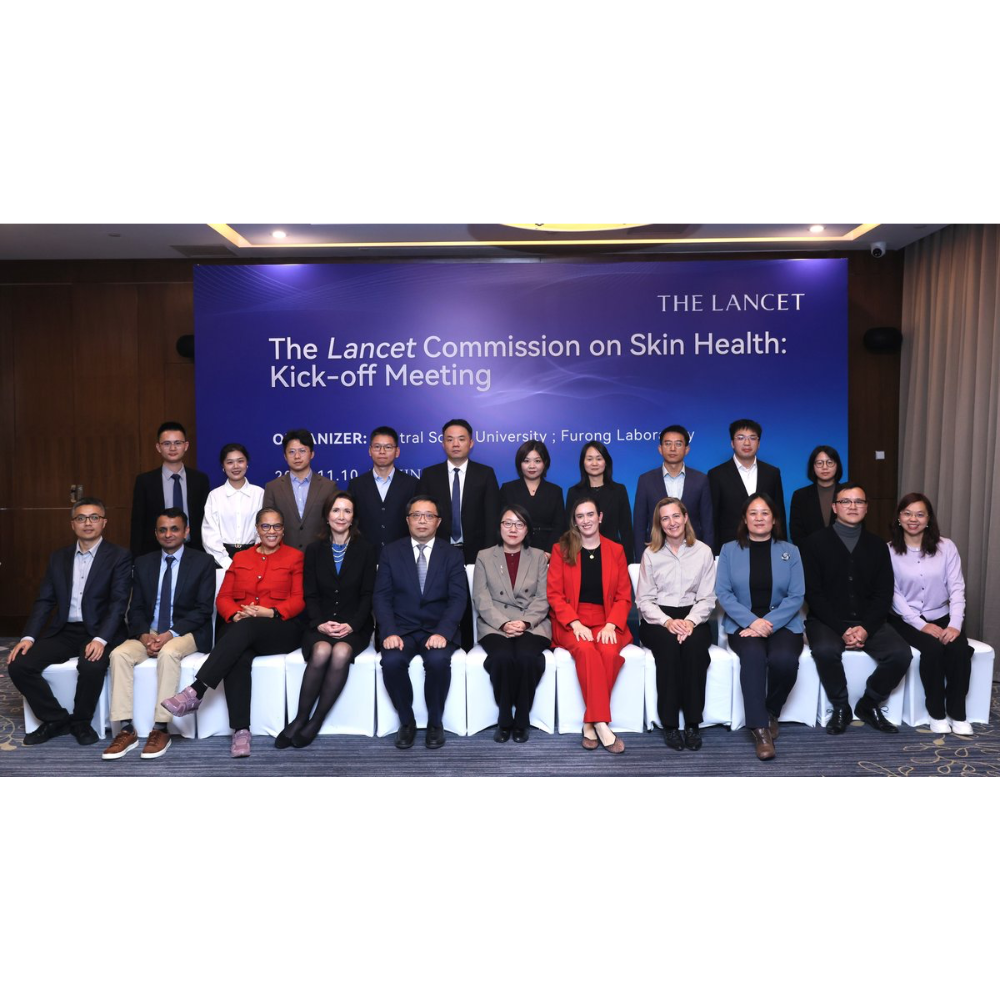
November 2025 - Commission kick-off meeting
As host for the Commission, Central South University in Changsha, China, held a kick-off meeting for its members in mid-November 2025.