The ILDS DermLink Projects 2024 and 2025 – An Overview and Report on Success
21 Sep 2026
Across 2024 and 2025, the International League of Dermatological Societies (ILDS), through its DermLink Grants Programme, supported 31 locally led projects addressing diverse skin health needs in communities around the world.
From remote Indigenous communities in Brazil and underserved villages in Bangladesh to refugee camps in the Democratic Republic of Congo and schools in Tanzania, these projects demonstrate the impact that targeted funding, local expertise and international collaboration can achieve.
Together, the projects have delivered meaningful improvements in skin health and access to care:
- Approximately 50,000 lives have been positively impacted
- More than 28,000 patients have received dermatological care or treatment
- Over 3,700 healthcare professionals and dermatologists have received additional training
- More than 17,000 people have benefited from education, awareness and prevention initiative
Find out more
To find out more information about the DermLink Grants Programme and other ILDS Grants, please click below
Find out moreWhat can locally led dermatology projects achieve?
DermLink grants are designed to support projects that address local skin health priorities. Led by ILDS Members and their partners, these initiatives are developed by people who understand the specific challenges facing their communities and are best placed to create meaningful, sustainable solutions.
Over the past two years, projects have tackled a wide range of issues including leprosy, skin cancer, albinism, epidermolysis bullosa (EB), neglected tropical skin diseases, scabies, psoriasis, topical steroid misuse and community skin health education.
Many projects focused on increasing access to dermatological care in underserved areas, while others strengthened local healthcare capacity through training, education, outreach services and tele dermatology initiatives. Together, they demonstrate the power of locally led action in addressing skin health challenges across a diverse range of settings.
Strengthening healthcare systems for the future
While many DermLink projects deliver immediate benefits through screening, diagnosis and treatment, they are also helping to build stronger healthcare systems for the future.
Across 2024 and 2025, thousands of healthcare professionals received training to improve their ability to recognise, diagnose and manage skin diseases. Projects strengthened referral pathways, supported community health workers, integrated skin health into primary care services and increased local capacity to deliver ongoing care.
These improvements help ensure that the impact of DermLink extends beyond individual projects, leaving a lasting legacy within the communities they serve.
DermLink Projects 2024
In 2024, DermLink supported 16 projects across Africa, Asia and South America, helping to expand access to dermatological care, strengthen local healthcare systems and improve awareness of skin health in underserved communities. Together, these initiatives reached thousands of patients, healthcare professionals and community members, demonstrating the impact of locally led solutions to skin health challenges around the world.
We are inspired by the impact these projects have achieved in their communities and proud to share an overview of the completed projects that contributed to this collective success:
ILDS Member: Association of Dermatovenerologists and Cosmetologists of the Republic of Tajikistan Kudakon-shaparakho
View report
Improving care and quality of life for children living with epidermolysis bullosa in Tajikistan
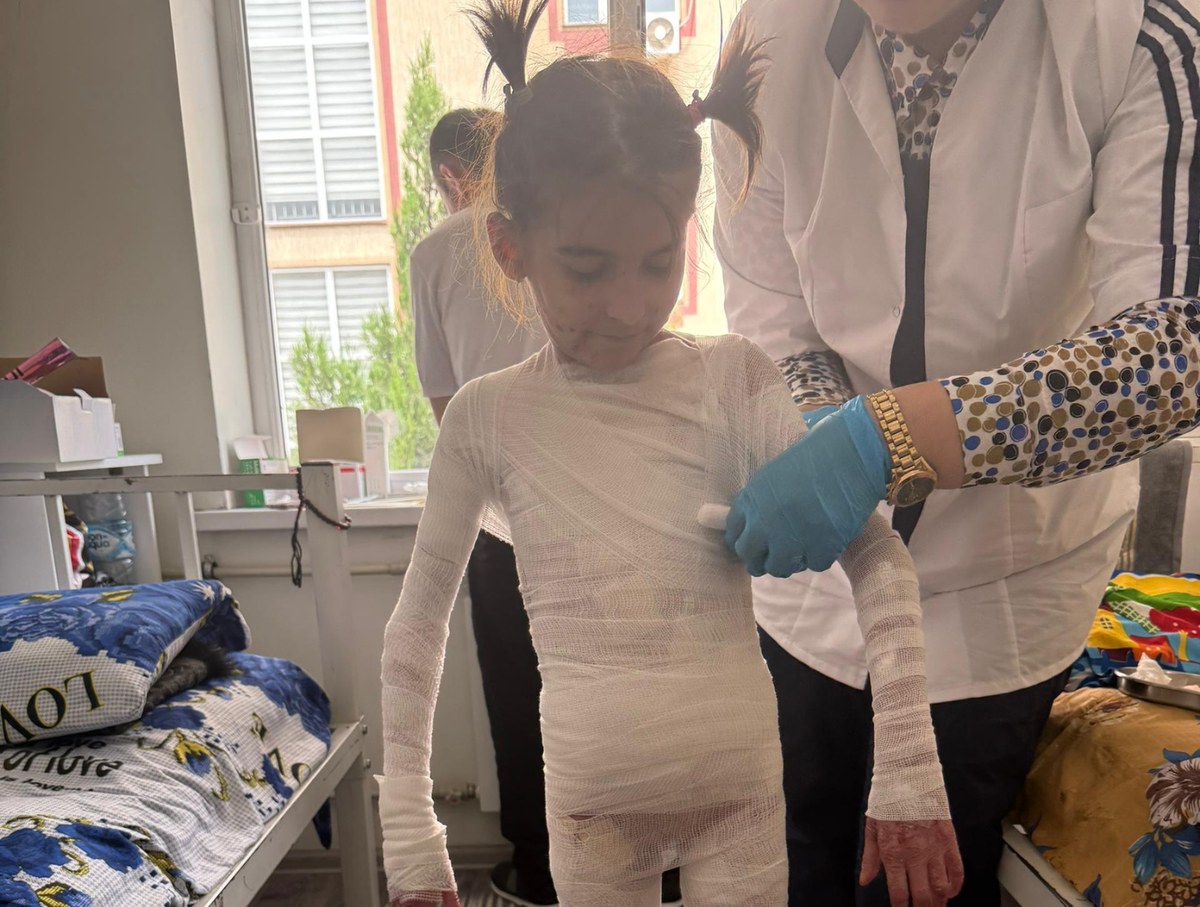
Supporting children living with epidermolysis bullosa (EB), this initiative improved access to specialist care, medications, wound care supplies and pain management. The course of the project, 49 patients received life-changing support that helped reduce infection rates, improve wound healing and enhance overall quality of life. The initiative also equipped caregivers with practical skills in wound care and nutritional support, enabling more effective care at home. In addition, it increased awareness of EB among healthcare professionals, supporting earlier diagnosis, improved referrals and more compassionate care, while helping affected families feel better supported and less isolated.
ILDS member: Spanish Academy of Dermatology and Venereology
View report
Improving access to skin health services in rural malawi
Dermalawi improved access to skin health services in rural Malawi through specialist clinics, healthcare worker training and community outreach. More than 2,000 patients received dermatological care during medical and surgical campaigns, while ongoing local support strengthened follow-up services and disease surveillance. The initiative focused on neglected skin diseases such as scabies and leprosy, as well as skin cancer prevention and treatment for people with albinism. By combining direct patient care with training and community education, the programme helped build local capacity and improve access to dermatological services in underserved communities.
ILDS Member: British Association of Dermatologists
View report
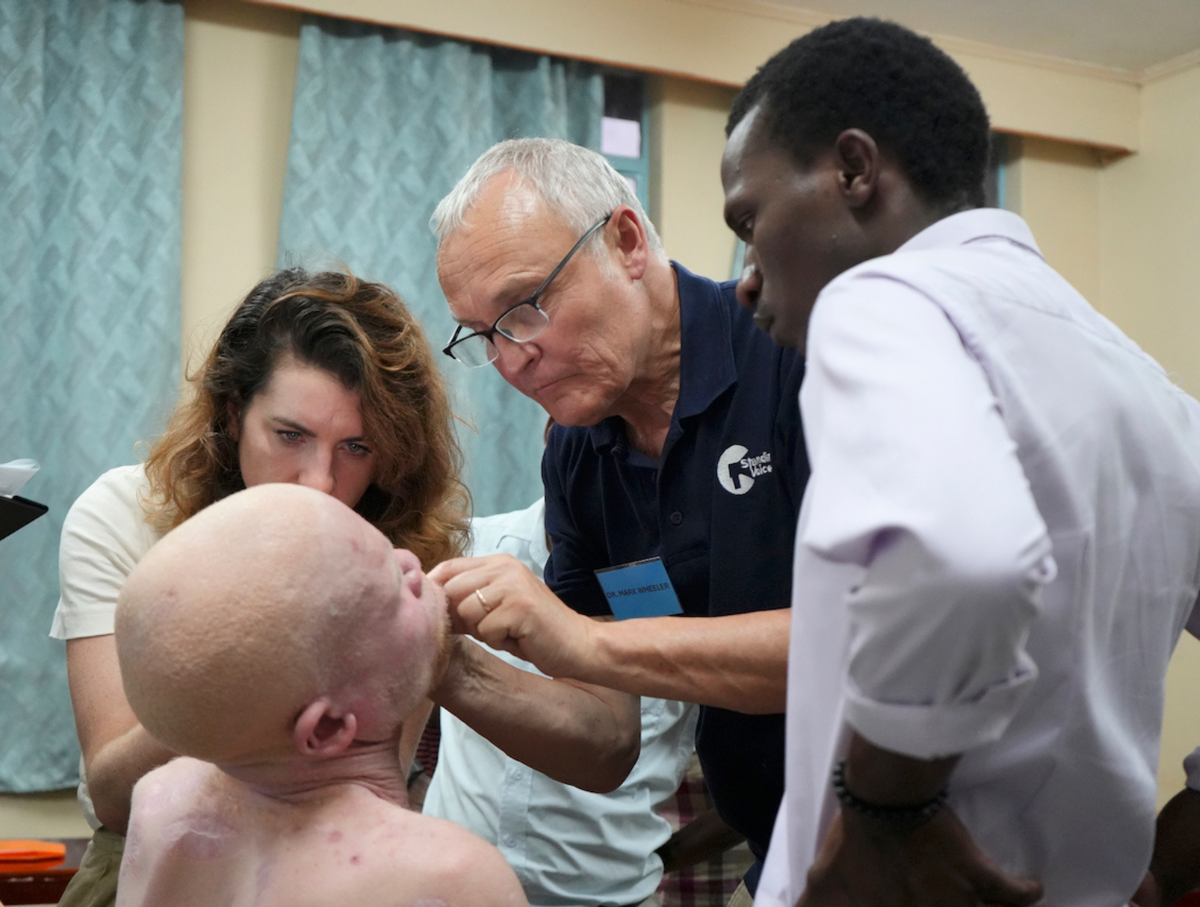
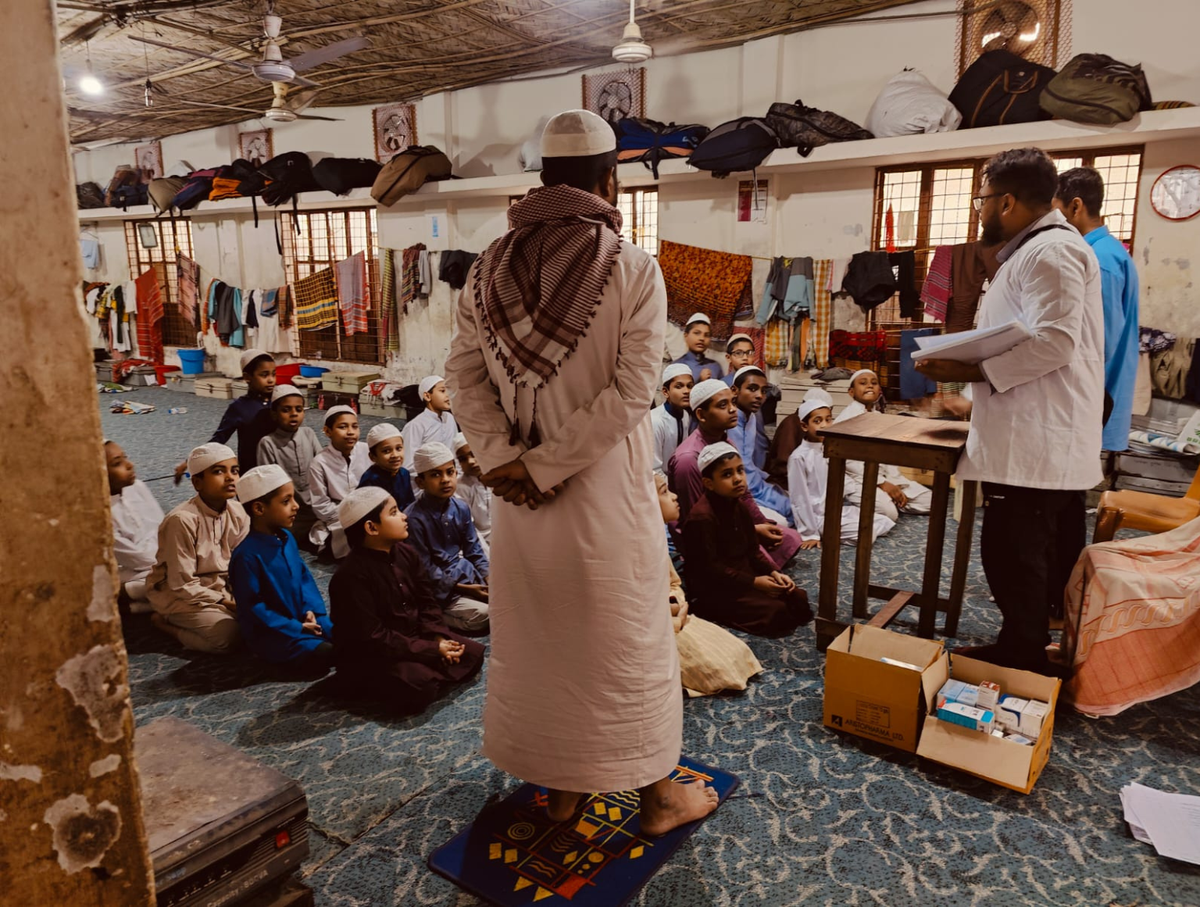
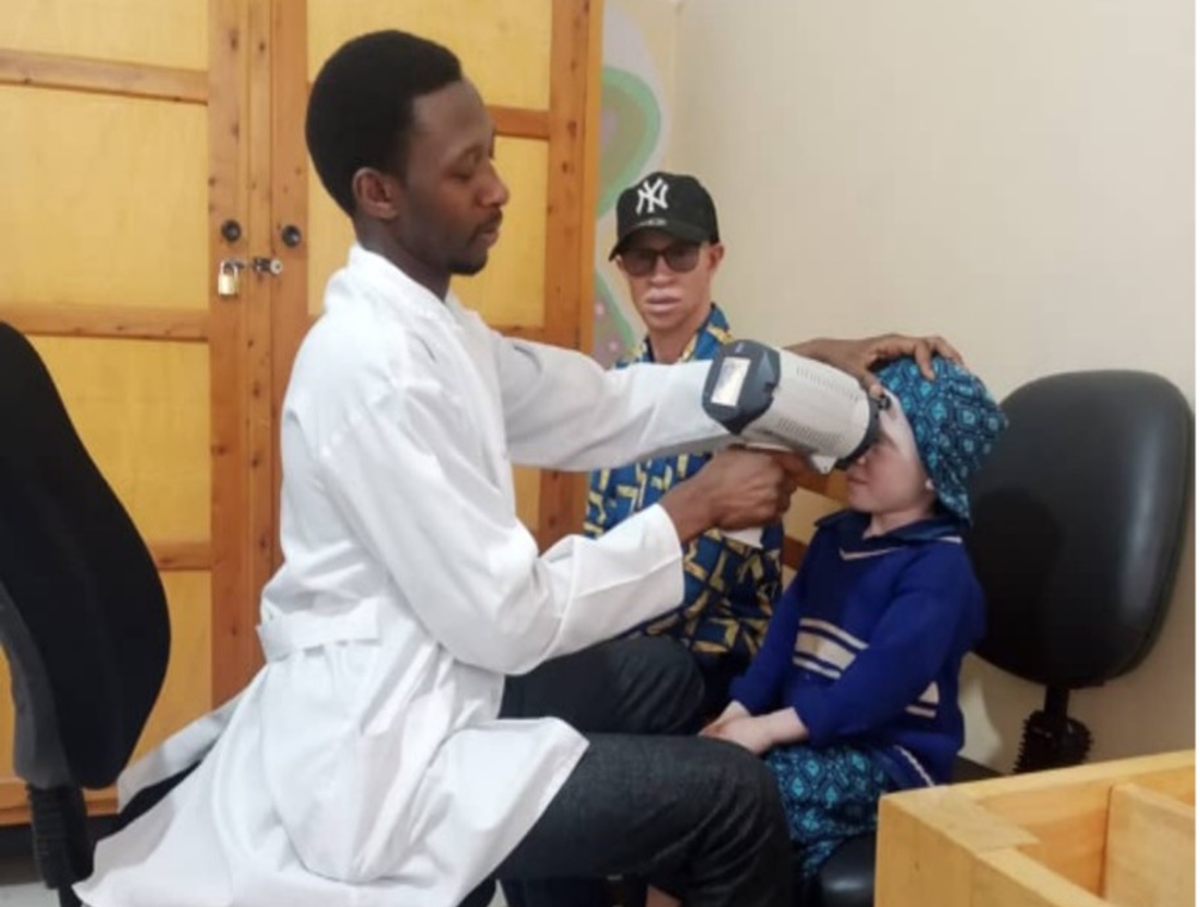
Strengthening skin cancer care for people with albinism in Tanzania
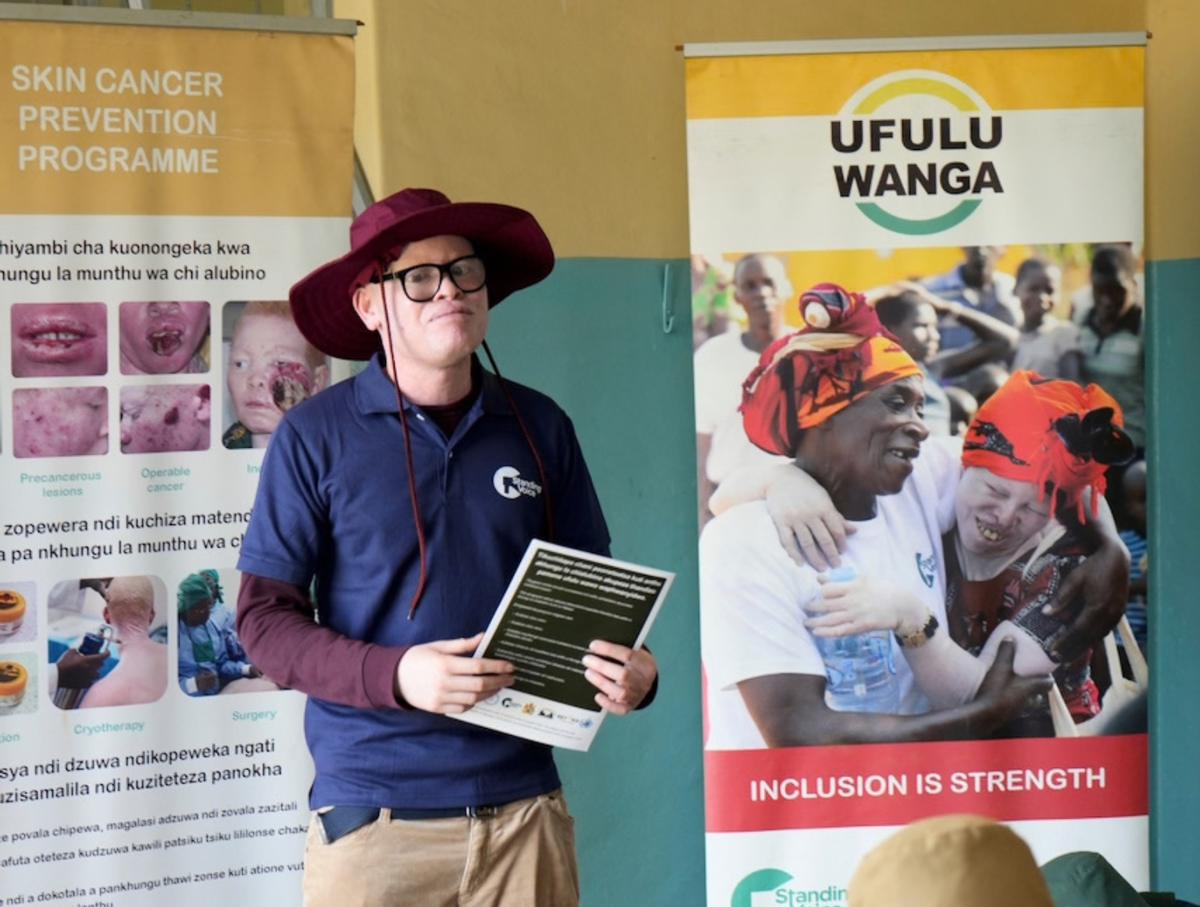
Focused on improving skin cancer prevention and treatment for people with albinism, this initiative combined specialist clinical care with healthcare worker training. A total of 43 patients from 14 districts were assessed, with 23 undergoing surgery for skin cancer and others receiving counselling, follow-up support and referrals where required. The initiative also delivered training and mentoring for healthcare professionals, helping build local capacity in skin cancer diagnosis, surgery and wound management. By combining direct patient care with skills development, the project contributed to long-term improvements in dermatological services and strengthened Malawi's response to skin cancer among people with albinism
ILDS Member: Bangladesh Academy of Dermatology
View report
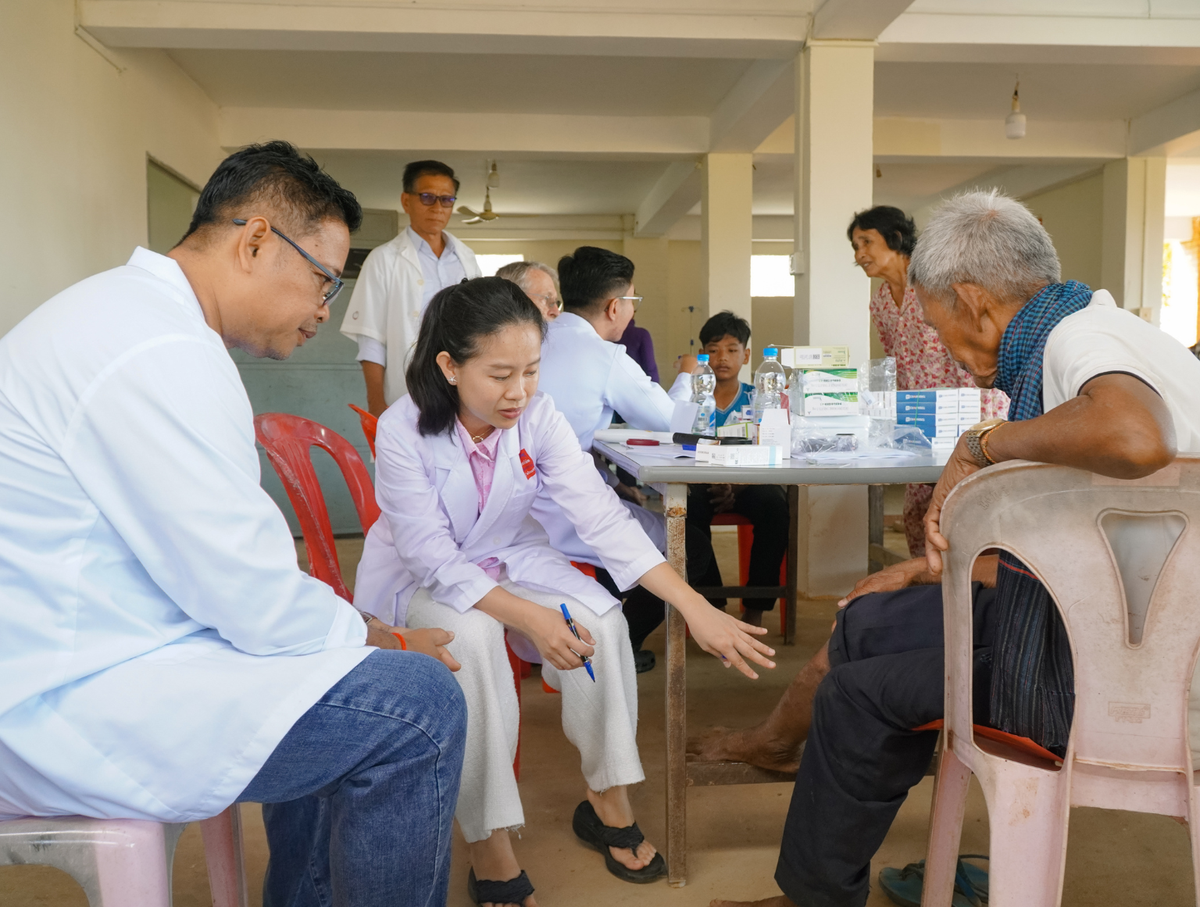
Reducing the burden of scabies through treatment and community education in Bangladesh
Through mass drug administration, education and awareness-raising activities, this initiative helped reduce the burden of scabies in vulnerable communities. Teams visited 10 educational institutions, providing treatment to thousands of individuals and helping significantly improve scabies outcomes during follow-up visits. Educational videos, posters and awareness campaigns were distributed through dermatology clinics across the country, increasing understanding of the condition and encouraging people to seek appropriate medical care. Alongside treating patients, the project strengthened awareness of skin health and promoted early intervention for common skin conditions.
ILDS Member: German Dermatological Society
View report
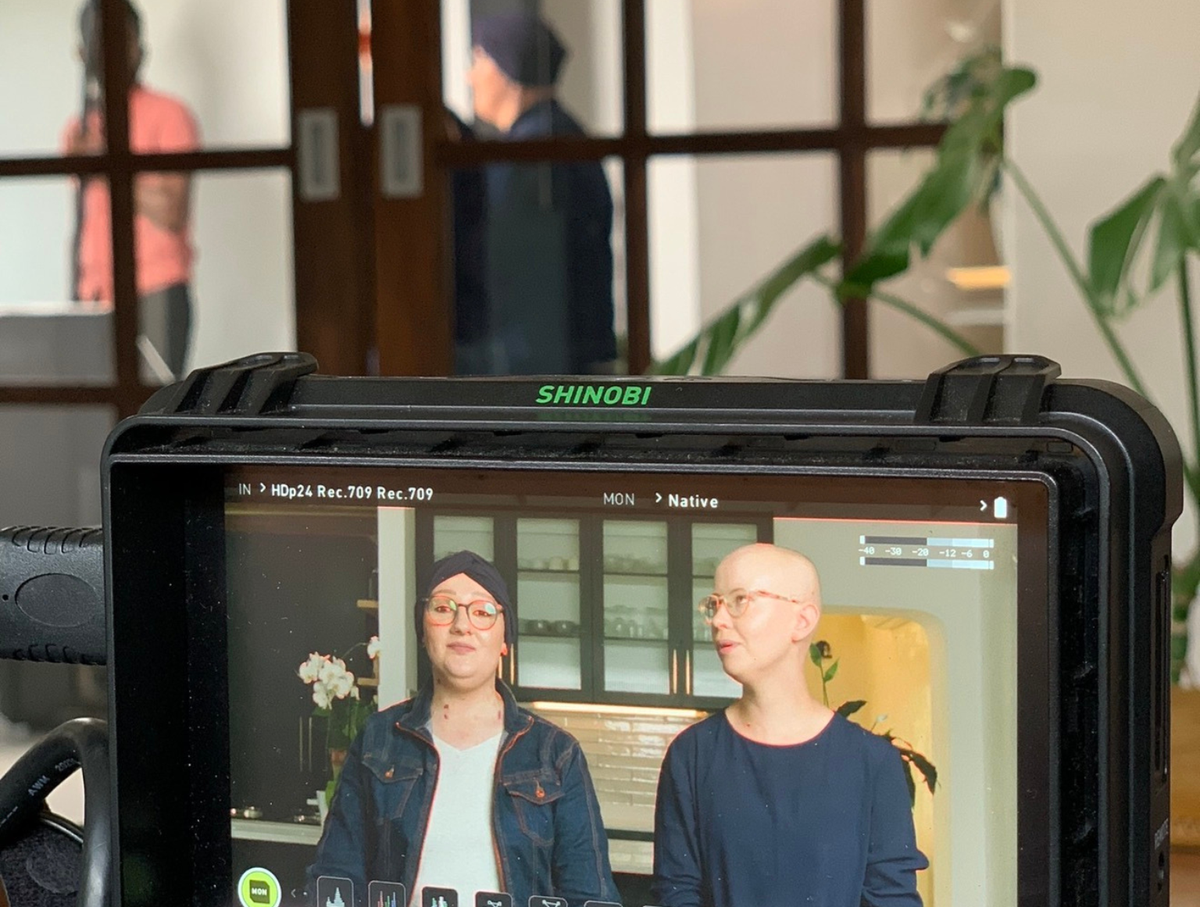
Building local capacity for sustainable skin health services in Cambodia
In remote communities across Stung Treng Province, outreach clinics expanded access to diagnosis, treatment and skin health education. Through outreach clinics covering 29 villages, 456 patients received diagnosis, treatment and skin health education, while healthcare workers received training to improve the recognition and referral of common skin conditions. The initiative also provided free consultations and treatment for low-income families and facilitated referrals for patients with more complex conditions requiring specialist care. By improving awareness, encouraging healthier behaviours and strengthening local healthcare capacity, the project laid the foundation for sustainable improvements in skin health across the region.
ILDS Member: Dermatological Society of South Africa
View report
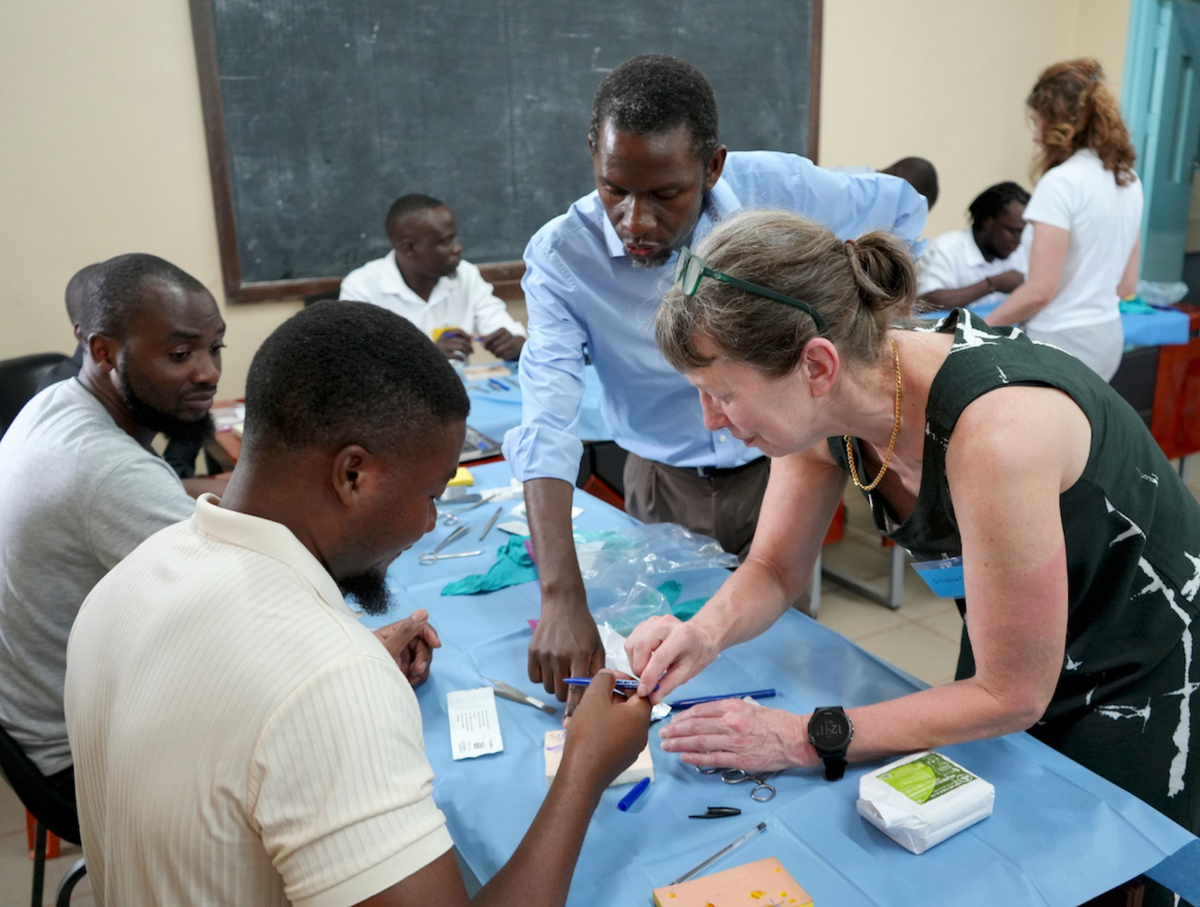
Improving care and support for newborns living with epidermolysis bullosa in South Africa
This project focused on improving care for newborns living with epidermolysis bullosa (EB) through targeted training and education. Healthcare professionals, caregivers and representatives from multiple organisations received specialist training on the management of EB, helping improve understanding of wound care, treatment approaches and available support networks. By bringing stakeholders together and strengthening knowledge across institutions, the project created a foundation for better coordinated care and long-term support for families affected by this rare and challenging condition. The benefits of the training are expected to continue through a ripple effect, as participants share their learning within their own organisations and communities.
ILDS Member: Irish Association of Dermatologists
View report
Advancing skin cancer care through specialist treatment and training in Malawi
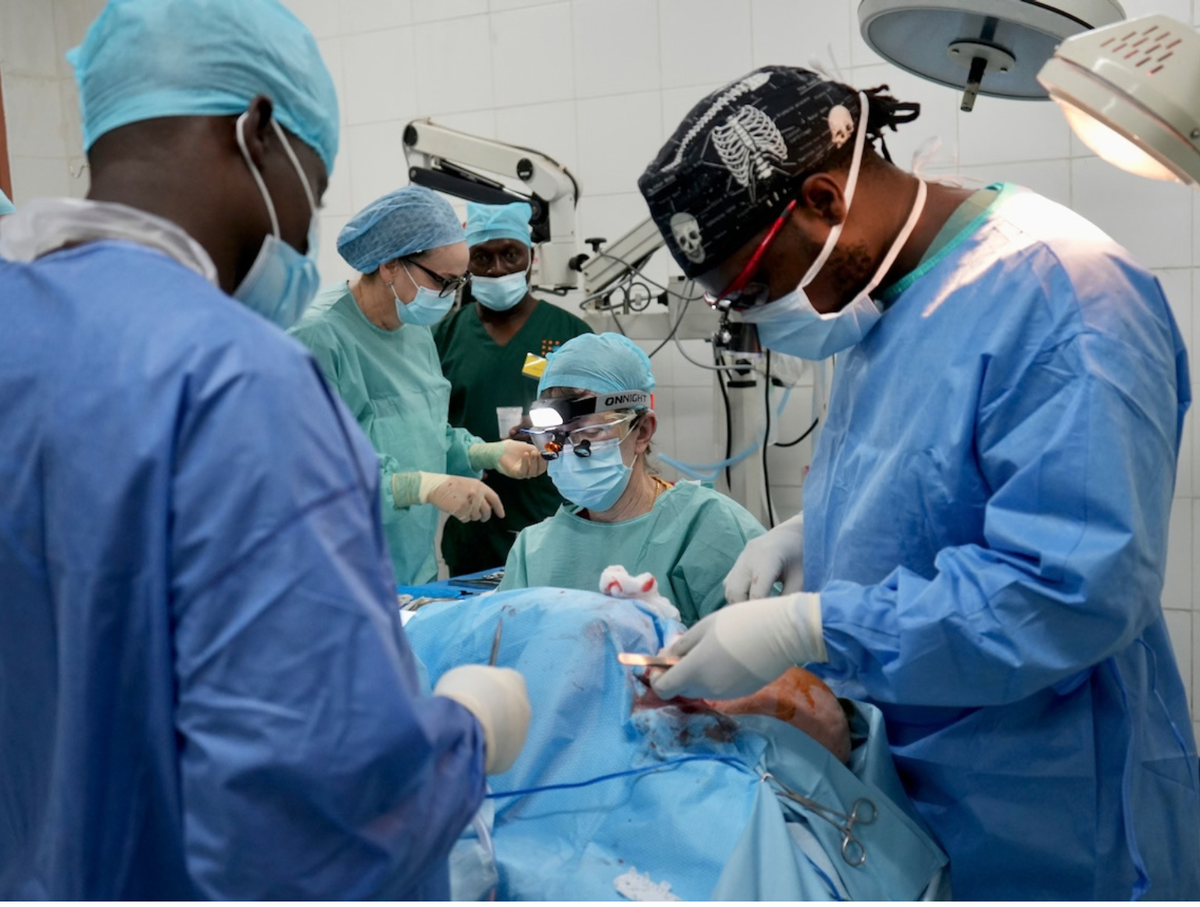
This project strengthened skin cancer services for people with albinism in Malawi through a combination of specialist treatment, training and healthcare system development. During the Zomba Surgical Camp, 43 patients from 14 districts received assessment and care, including 23 patients who underwent skin cancer surgery. The initiative also provided training and mentoring for surgical officers, nurses and other healthcare professionals, helping to improve local capacity in skin cancer diagnosis, treatment and wound management. By combining high-quality clinical care with skills development and collaboration between local and international experts, the project contributed to long-term improvements in dermatological care and strengthened Malawi's national response to skin cancer.
ILDS Member: Nigerian Association of Dermatologists
View report
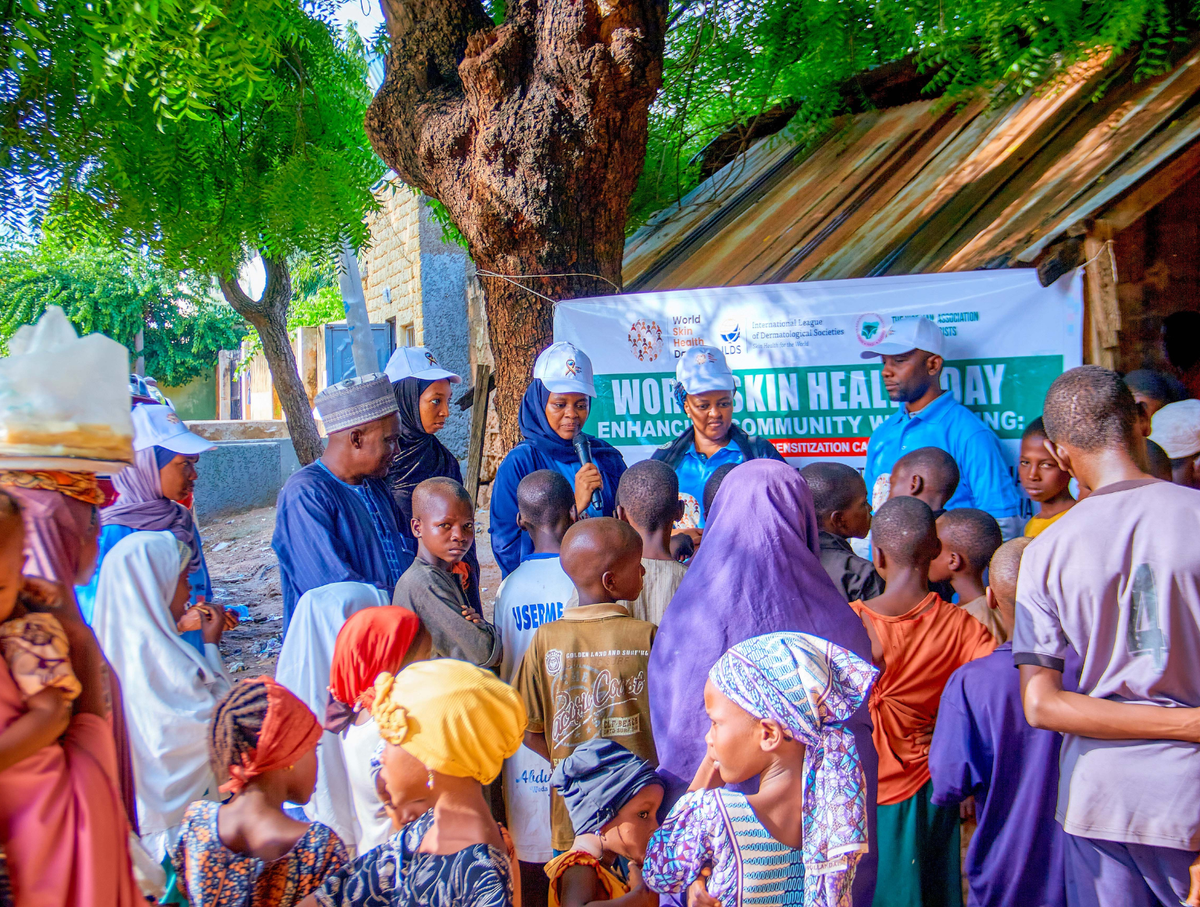
Strengthening scabies prevention and care for vulnerable children in Nigeria
By improving access to specialist dermatological care in Nigeria, this initiative strengthened the prevention, diagnosis and treatment of scabies among vulnerable children attending informal schools in Kano State. More than 600 children benefited from screening, treatment and mass drug administration, helping reduce transmission and improve skin health outcomes. The initiative also trained 65 healthcare workers, significantly increasing their capacity to diagnose and manage scabies within primary healthcare settings. Through education and community engagement, the project raised awareness, reduced stigma and strengthened trust between healthcare providers and underserved communities, creating a foundation for future public health initiatives.
ILDS Member: Indian Association of Dermatologists, Venereologists and Leprologists
View report
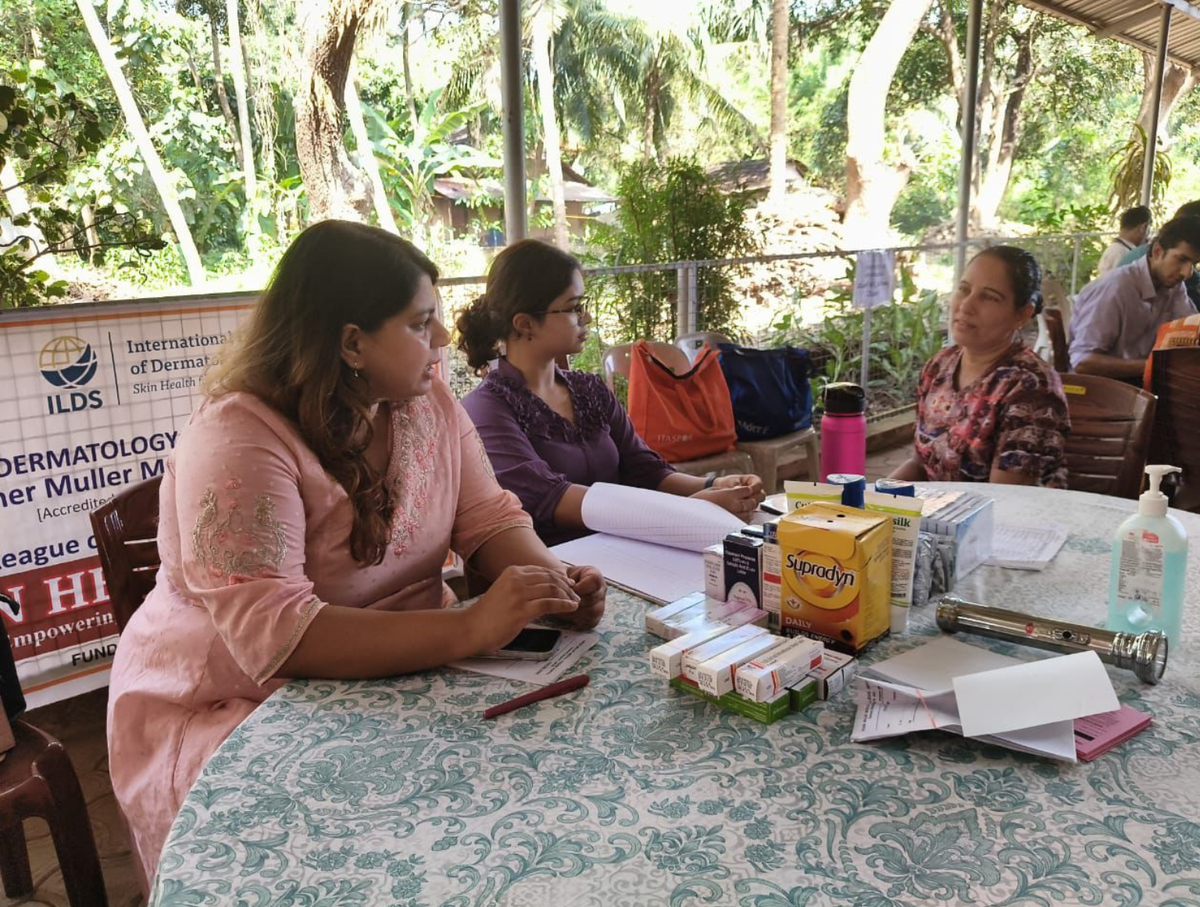
Reducing occupational skin health risks for fishing communities in India
In India, this project improved access to dermatological care for fishing communities whose occupations place them at increased risk of skin disease through prolonged exposure to sunlight, saltwater and harsh working conditions. Through screening camps, treatment services and health education sessions, the initiative reached fishermen, fish-processing workers and inland fishing communities, helping raise awareness of sun protection, skin disease prevention and healthy skin practices. The project also enabled the early identification and treatment of common skin conditions, improving health outcomes while strengthening trust between healthcare professionals and local communities.
ILDS Member: Pakistan Association of Dermatologists
View report
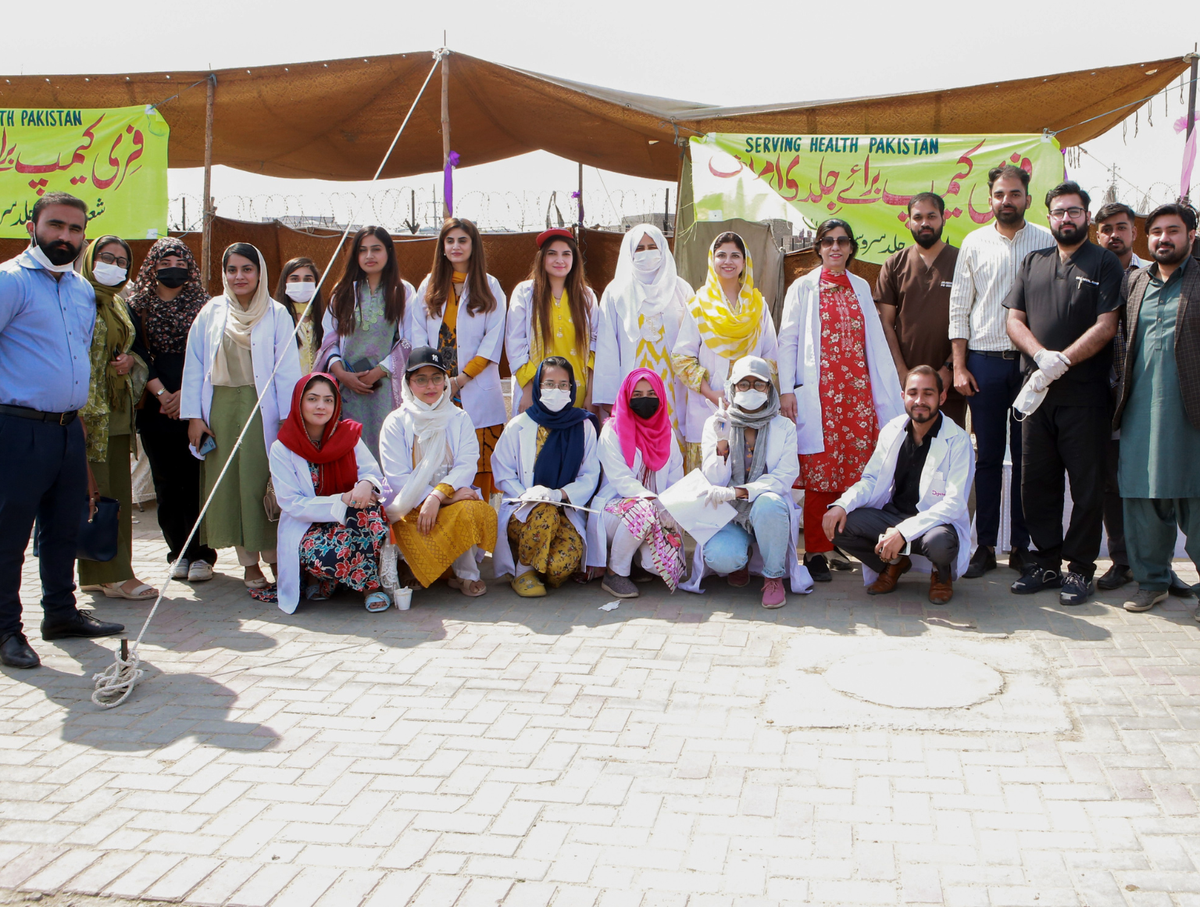
Expanding access to skin health services in vulnerable urban communities in Pakistan
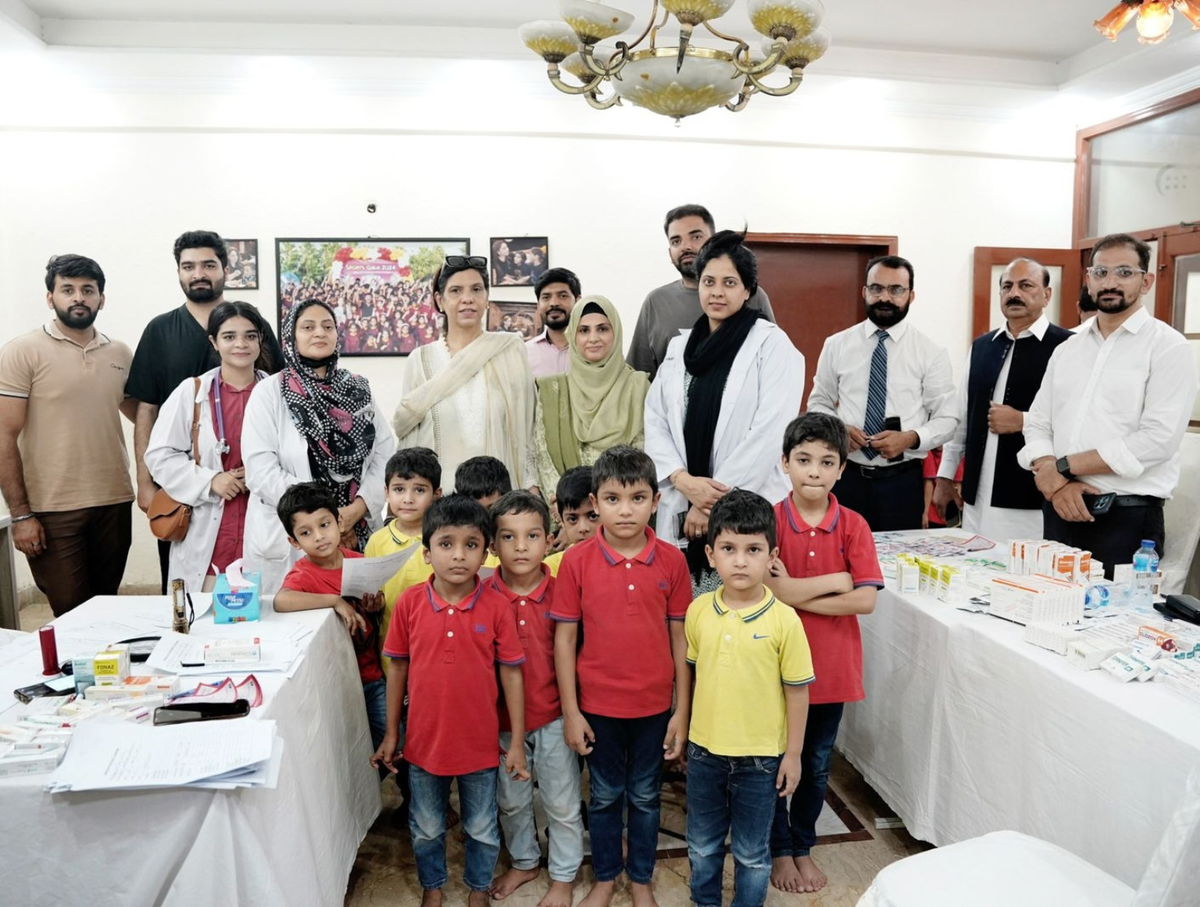
This project expanded access to dermatological care for underserved communities in Lahore by providing screening, treatment and skin health education to individuals who had often never seen a dermatologist before. Patients received care for a range of conditions, including fungal infections, eczema, scabies and bacterial skin diseases, helping improve quality of life and health outcomes. The project also delivered community education on hygiene, prevention and early recognition of skin conditions, empowering families to take a more active role in managing their skin health. In addition, valuable data on common skin diseases was collected to support future research, public health planning and targeted interventions in vulnerable urban communities.
ILDS Member: Philippine Dermatological Society
View report
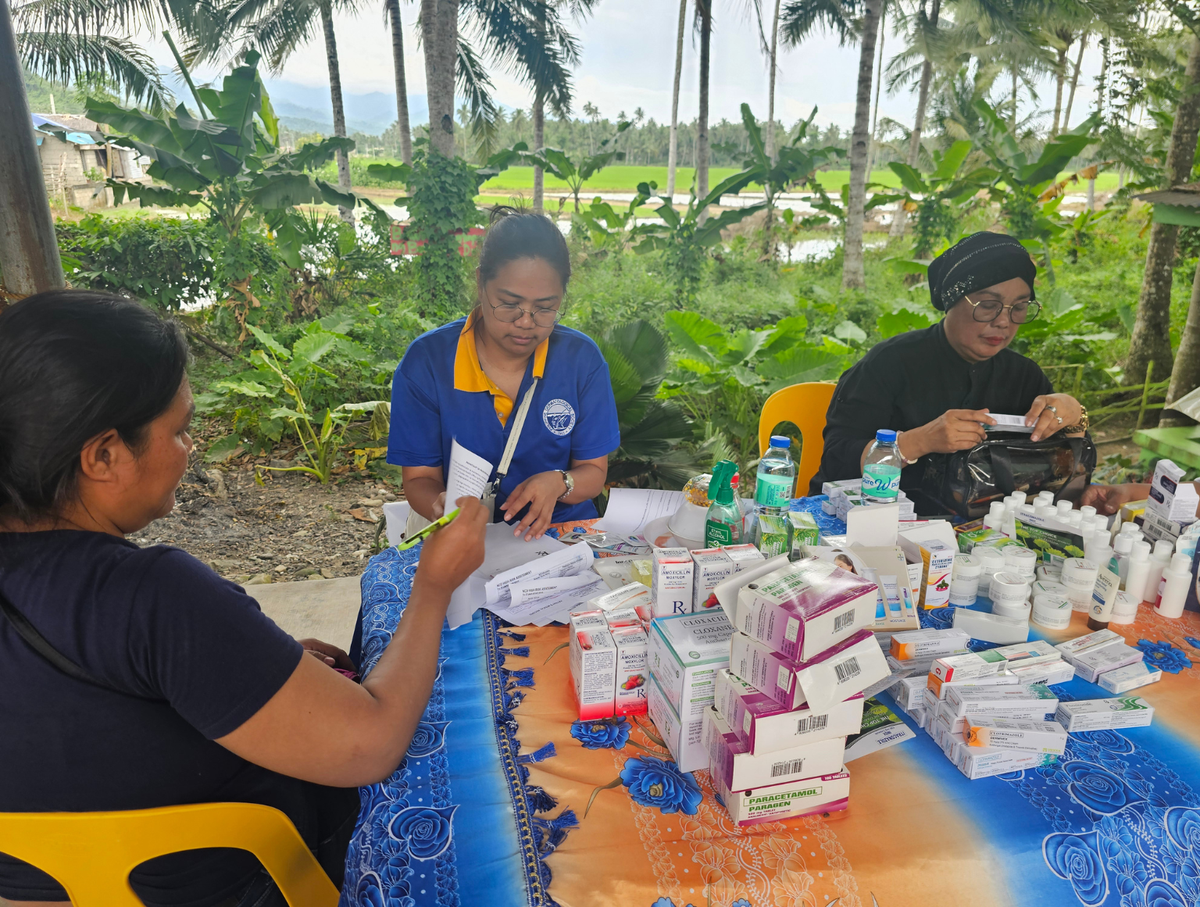
Expanding access to skin health education and specialist support in the Philippines
In Aborlan, Bataraza and Rizal, Indigenous and underserved communities benefited from improved access to skin health education, services and specialist support. Through training and capacity-building activities, healthcare workers and community volunteers gained practical skills in recognising and managing common skin diseases, leading to earlier intervention and improved patient care. The project also increased awareness of skin health in communities with limited access to dermatological services and laid the foundations for a teledermatology referral system, helping create a more sustainable pathway to specialist care in remote areas.
ILDS Member: Brazilian Society of Dermatology
View report
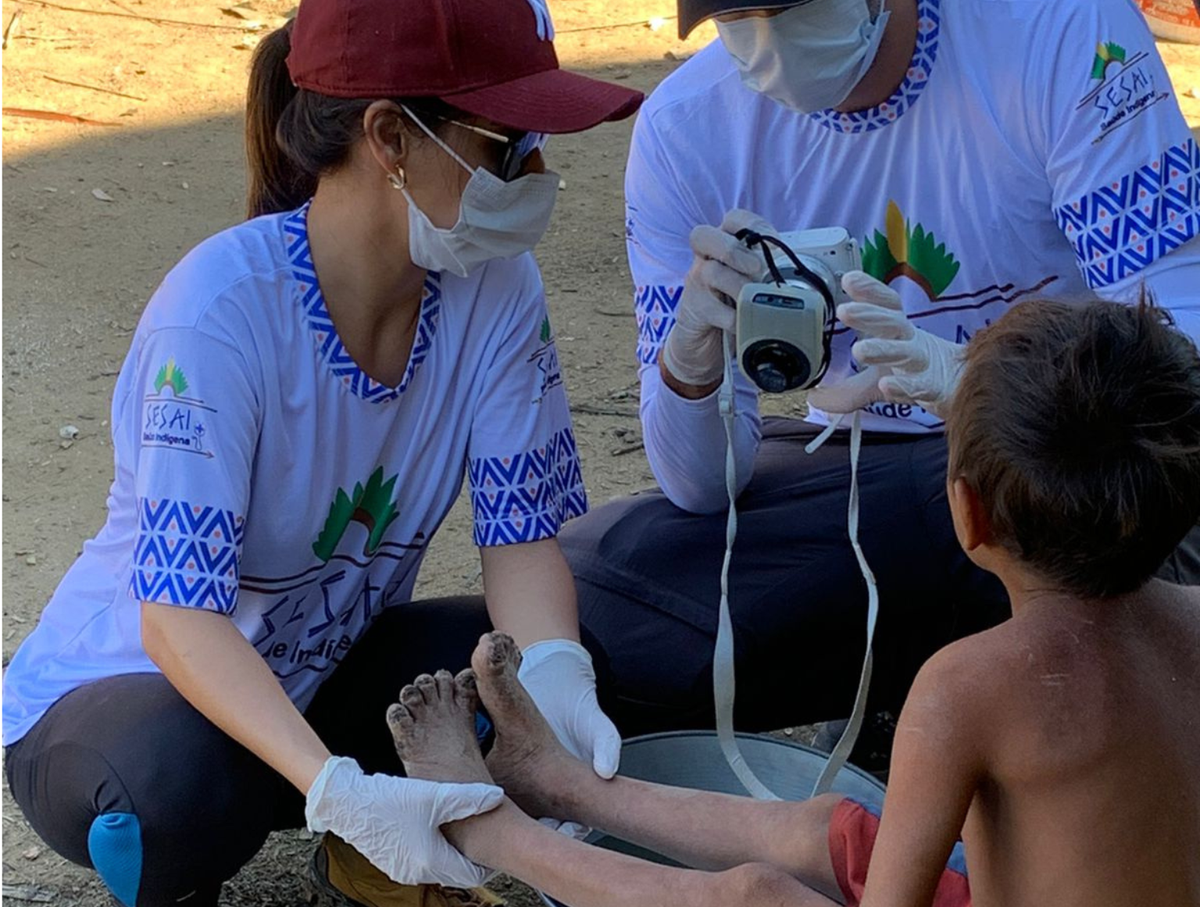
Improving skin health outcomes through community partnerships and specialist care in Brazil
Reaching Indigenous communities in some of Brazil's most remote regions, this initiative expanded access to dermatological care while strengthening local healthcare capacity. More than 4,300 patients received care, while healthcare workers and local teams received training to improve the prevention, diagnosis and management of neglected skin diseases. Alongside delivering treatment and education, the project strengthened partnerships with Indigenous communities, promoted culturally sensitive healthcare, and supported long-term knowledge sharing. By building local capacity and improving access to specialist services, the initiative laid the groundwork for more sustainable skin health programmes in underserved areas
ILDS Member: Tanzania Society for Dermatovenereology
View report
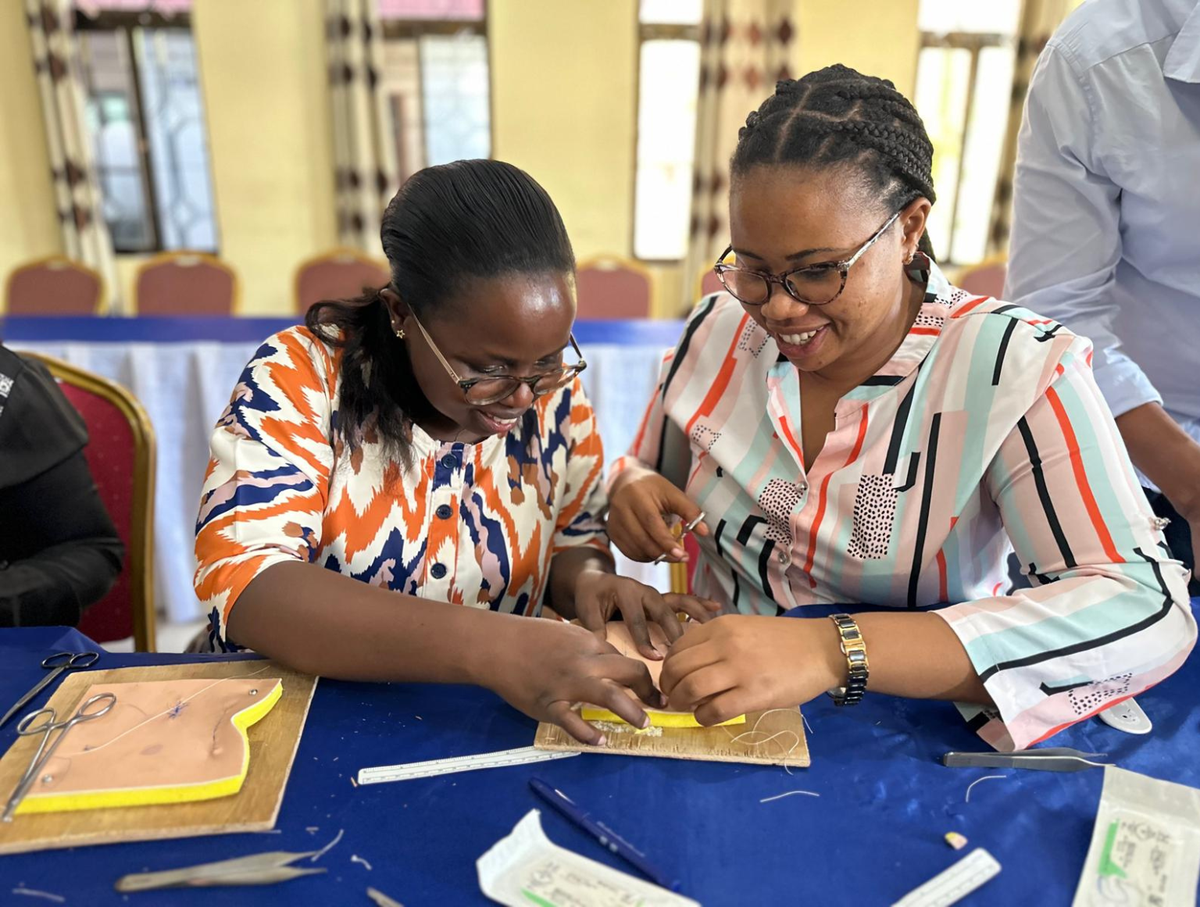
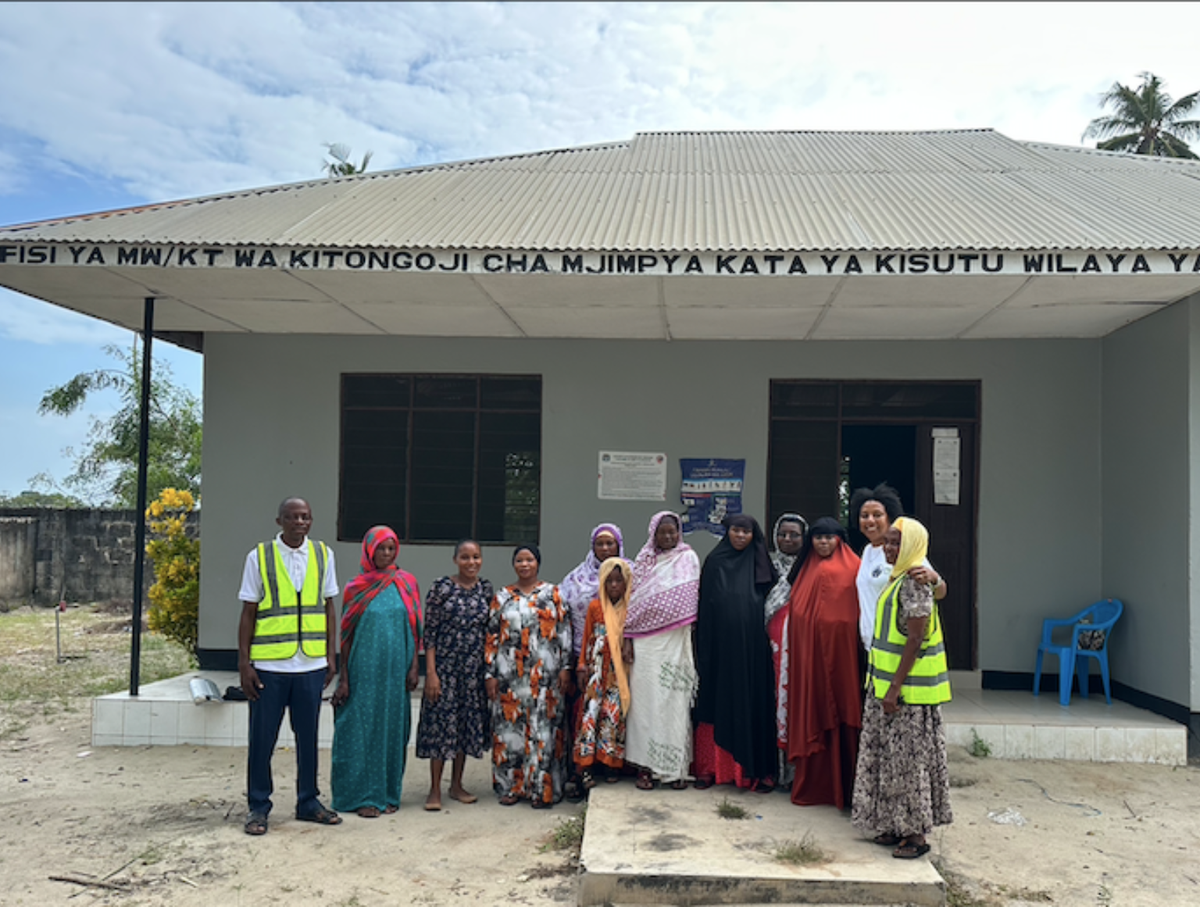
Improving access to dermatological care through community-based services in Tanzania
This project improved access to dermatological care in underserved communities by integrating skin health services into existing community healthcare systems. More than 1,000 patients benefited from improved access to diagnosis and treatment, while community health workers received training to strengthen their ability to identify and manage common skin conditions. The initiative also introduced teledermatology consultations, enabling specialists to support frontline healthcare providers remotely and improving referral pathways. By building local knowledge and creating stronger links between communities and healthcare services, the project established a sustainable model for expanding dermatology care in the region.
Beyond Suncare
View report
Improving skin cancer prevention and care for children with albinism in Rwanda
Supporting children and young people with albinism in Rwanda, this project improved access to skin and eye health services, sun protection and specialist care. More than 100 people with albinism received screening, treatment and education on reducing the risks associated with sun exposure, while healthcare workers received training to strengthen local capacity. Through community awareness activities and support services, the initiative promoted earlier intervention, improved skin cancer prevention and helped reduce stigma around albinism.
ILDS Member: Malagasy Society of Dermatology
View report
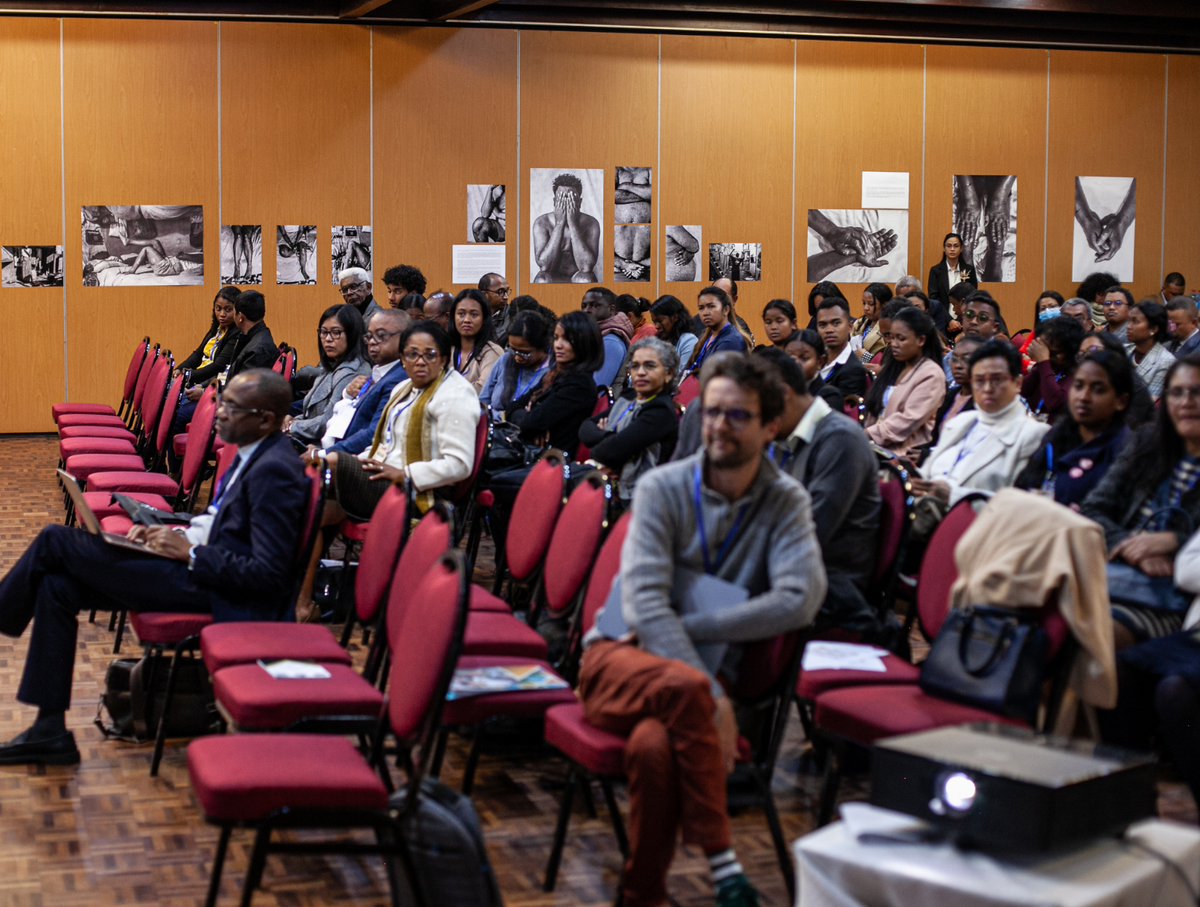
Reducing stigma and raising awareness of leprosy through community storytelling in Madagascar
This project used a unique storytelling approach to raise awareness of the challenges faced by people living with leprosy. By empowering participants to document and share their experiences, the initiative gave a voice to individuals who are often overlooked and helped highlight the social impact of the disease. The project encouraged greater understanding among families and communities, reduced stigma and promoted more supportive environments for people affected by leprosy.
ILDS Member: Society of Dermatologists, Venereologists and Leprologists of Nepal
View report
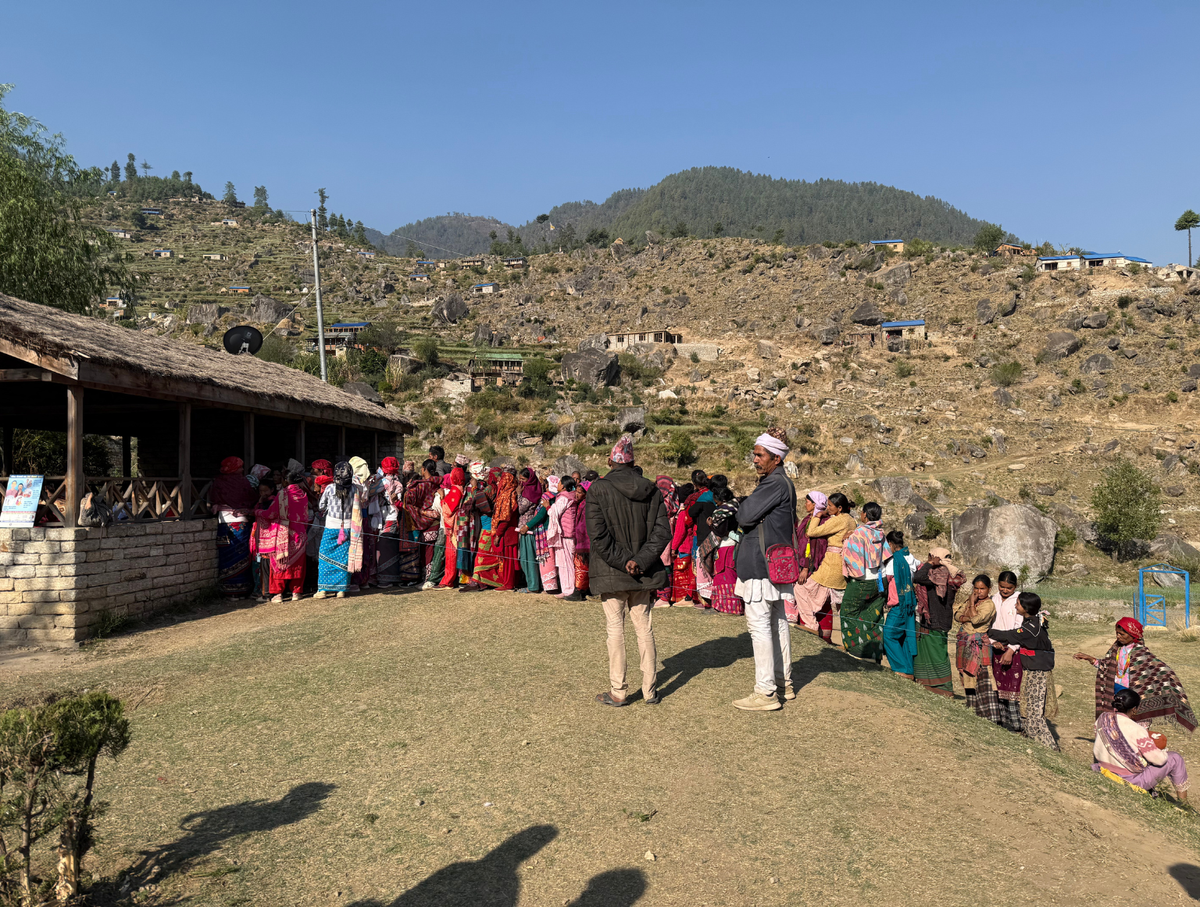
Bringing specialist dermatological services to underserved communities in Nepal
Bringing specialist dermatological services to remote communities in north-western Nepal, this initiative helped overcome significant barriers to healthcare access through outreach clinics, treatment services and skin health education. Through outreach clinics, treatment services and education programmes, patients received care for a range of skin conditions while local communities learned practical prevention strategies and healthy skin practices. The initiative not only improved access to care and raised awareness of common skin health issues, but also established a roadmap for future dermatology outreach in the region, helping to ensure continued support for isolated communities.
DermLink Projects 2025
Building on this success, DermLink supported a further 15 projects across 14 countries in 2025, with more than US$70,000 awarded through the programme. Together, these projects positively impacted more than 30,000 lives, provided dermatological care or treatment to over 15,000 patients and supported the training of more than 2,500 healthcare professionals, further strengthening access to skin health services in communities worldwide.
Together, these projects have made a meaningful difference to skin health in communities around the world. We are delighted to share an overview of the completed initiatives that contributed to this collective achievement:
ILDS Member: Spanish Academy of Dermatology and Venereology
View report
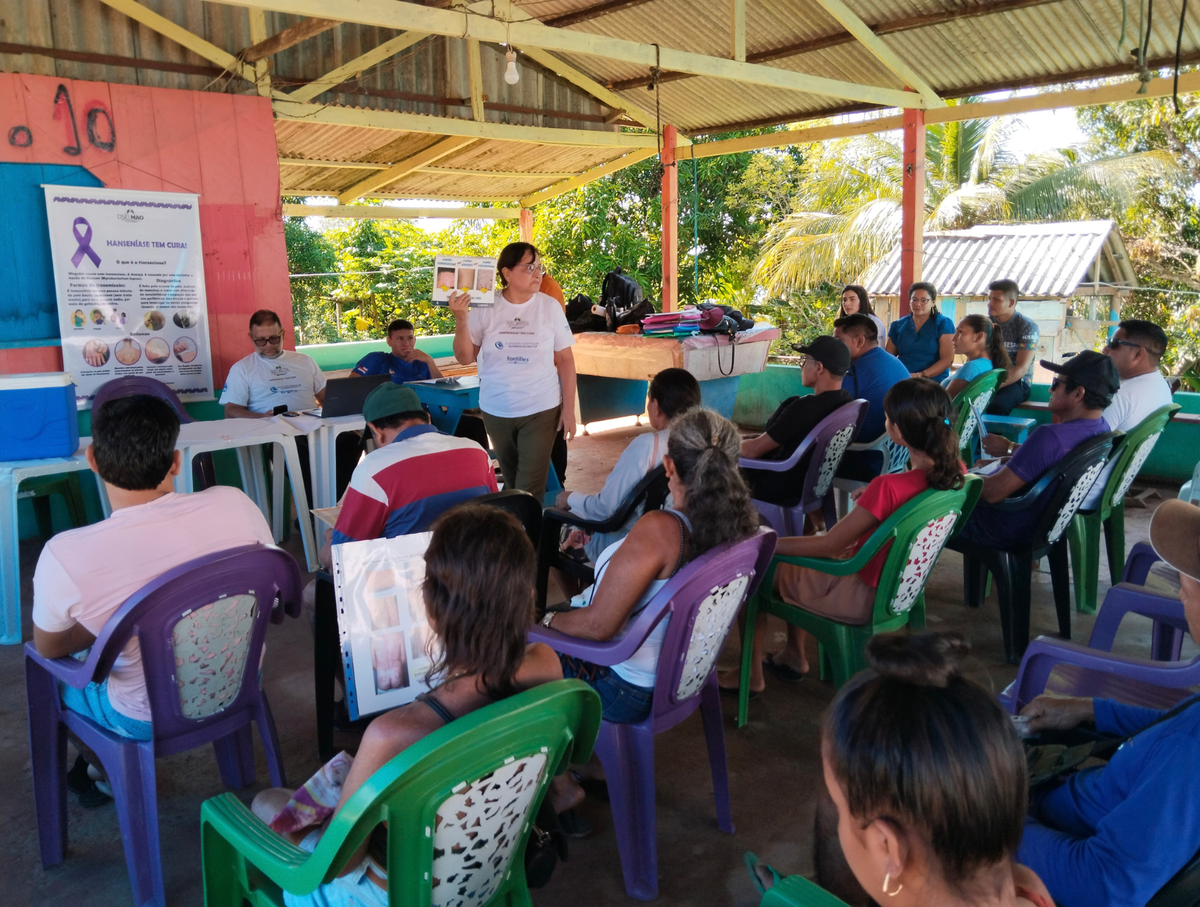
Strengthening skin health services for indigenous communities in Brazil
Reaching Indigenous communities across 31 villages in the Amazonas region, this initiative expanded access to dermatological screening, diagnosis and treatment for populations with limited access to specialist care. More than 3,000 people were screened for leprosy and other skin conditions, while local health promoters received training to support early diagnosis, treatment and ongoing patient care. By combining direct clinical services with capacity building, the project helped strengthen long-term skin health provision within remote communities.
ILDS Member: British Association of Dermatologists
View report
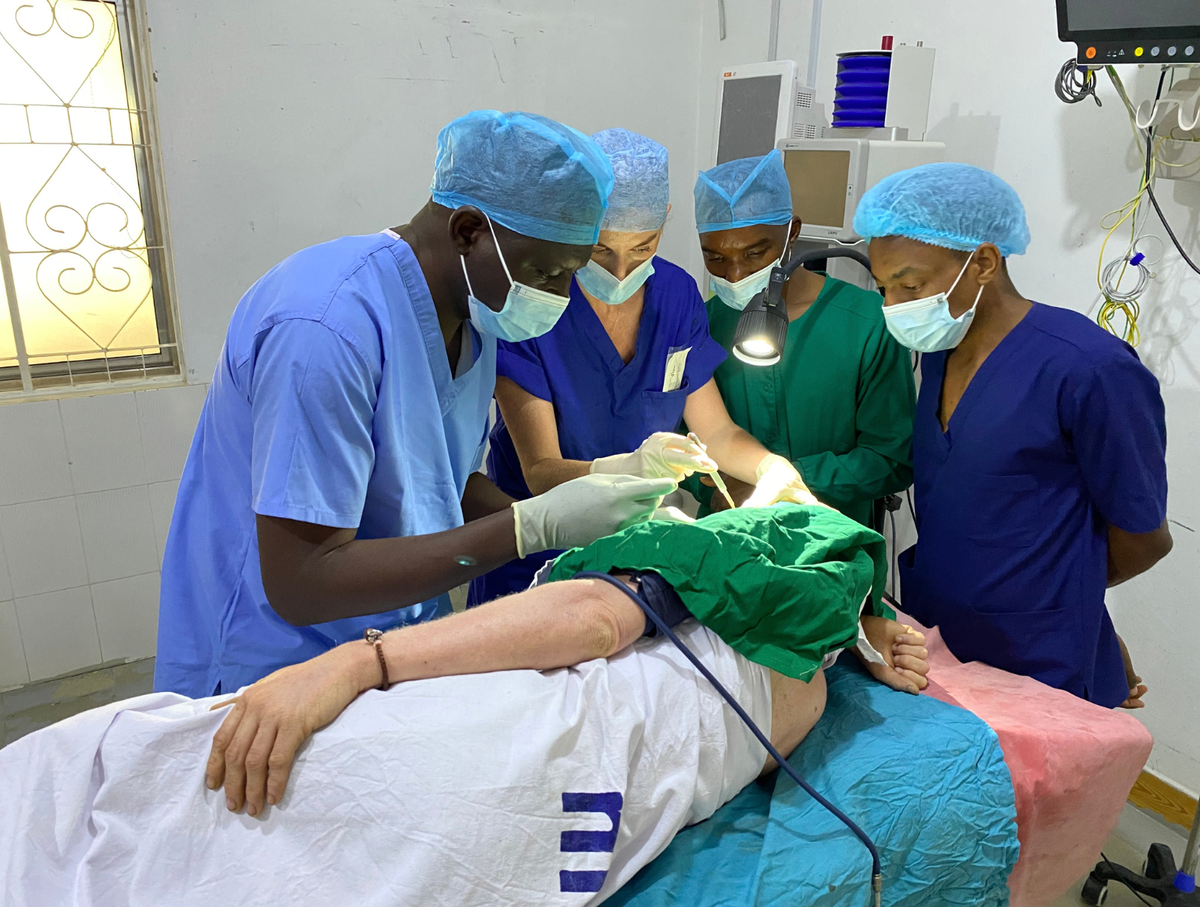
Improving access to skin cancer care for people with albinism in Tanzania
Focused on improving skin cancer prevention and treatment for people with albinism, this initiative expanded training opportunities for clinicians working in previously underserved regions of Tanzania. Healthcare providers gained specialist skills in skin cancer diagnosis, treatment and prevention, helping improve access to care for vulnerable communities and strengthening the long-term sustainability of dermatology services across the country.
ILDS Member: Bangladesh Academy of Dermatology
View report
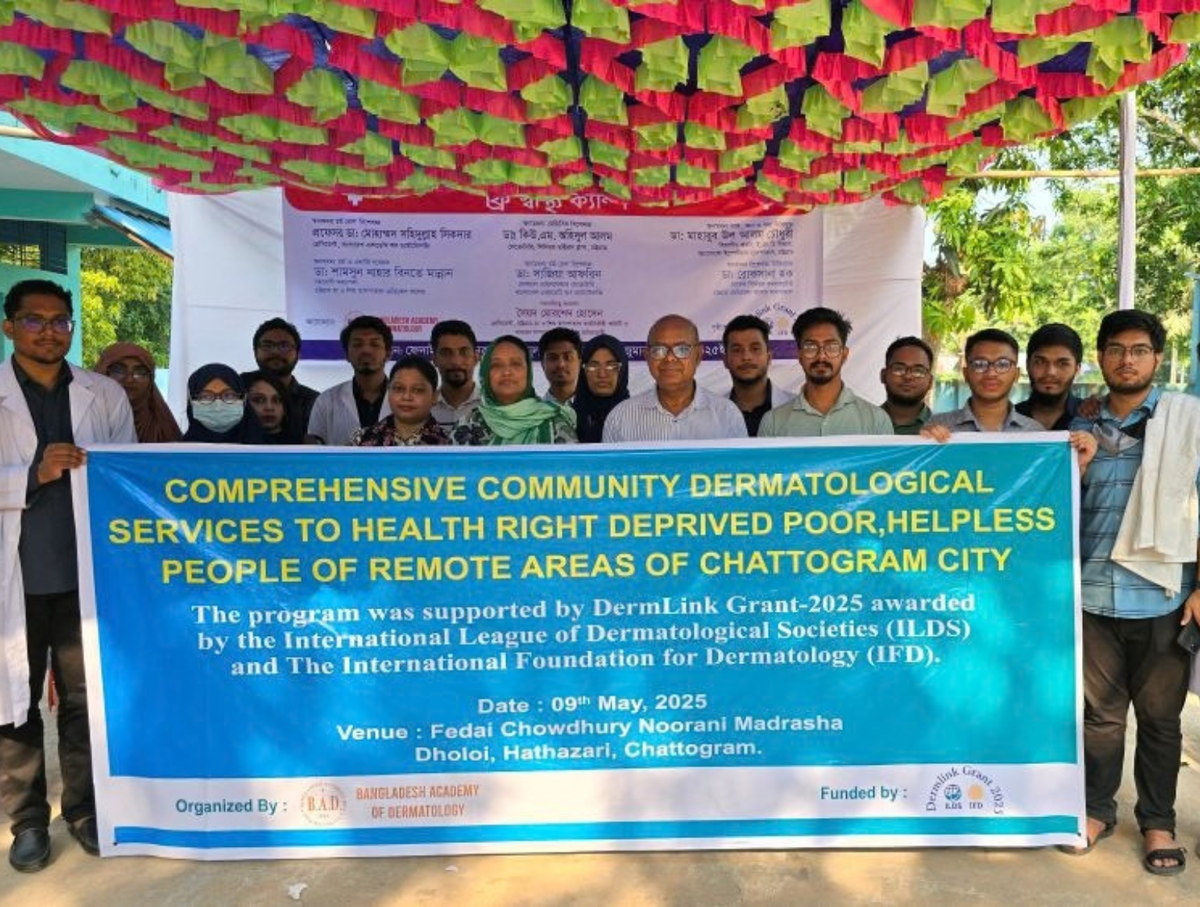
Bringing skin health care and education to underserved communities in Bangladesh
Providing free consultations, treatment and education to underserved communities, this initiative improved access to skin health services while increasing awareness of common skin conditions and their prevention. Community members received guidance on hygiene, treatment options and when to seek professional care, helping promote healthier behaviours and improve understanding of skin disease management.
ILDS Member: Ibero Latin American College of Dermatology
View report
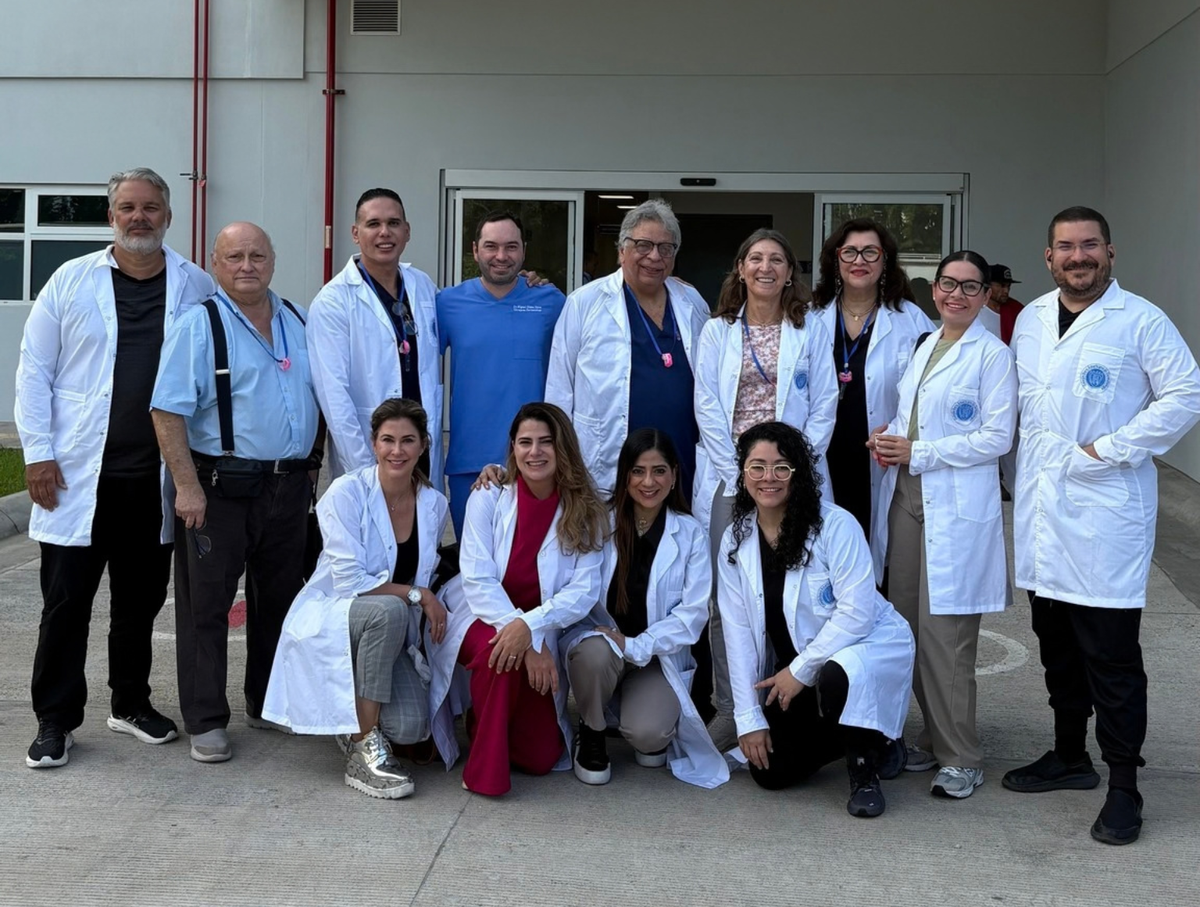
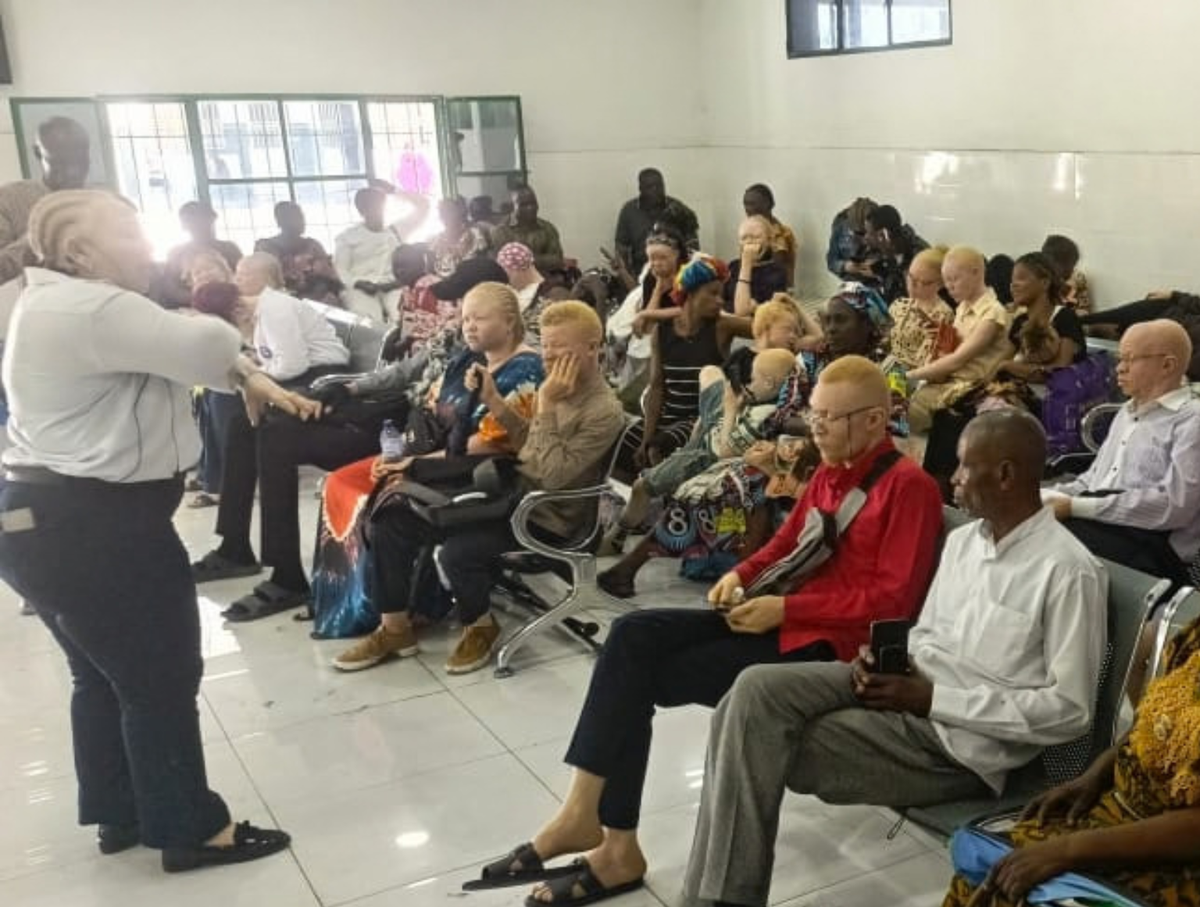
Strengthening dermatology education and care for vulnerable populations in Argentina
Combining healthcare professional education with direct patient care, this project strengthened dermatology services in underserved communities across Argentina. Healthcare professionals improved their ability to diagnose and manage common skin conditions, while more than 2,000 patients received free dermatological consultations and treatment. The initiative strengthened local healthcare capacity and improved access to specialist services for vulnerable populations.
ILDS Member: Congolese Society of Dermatology
View report
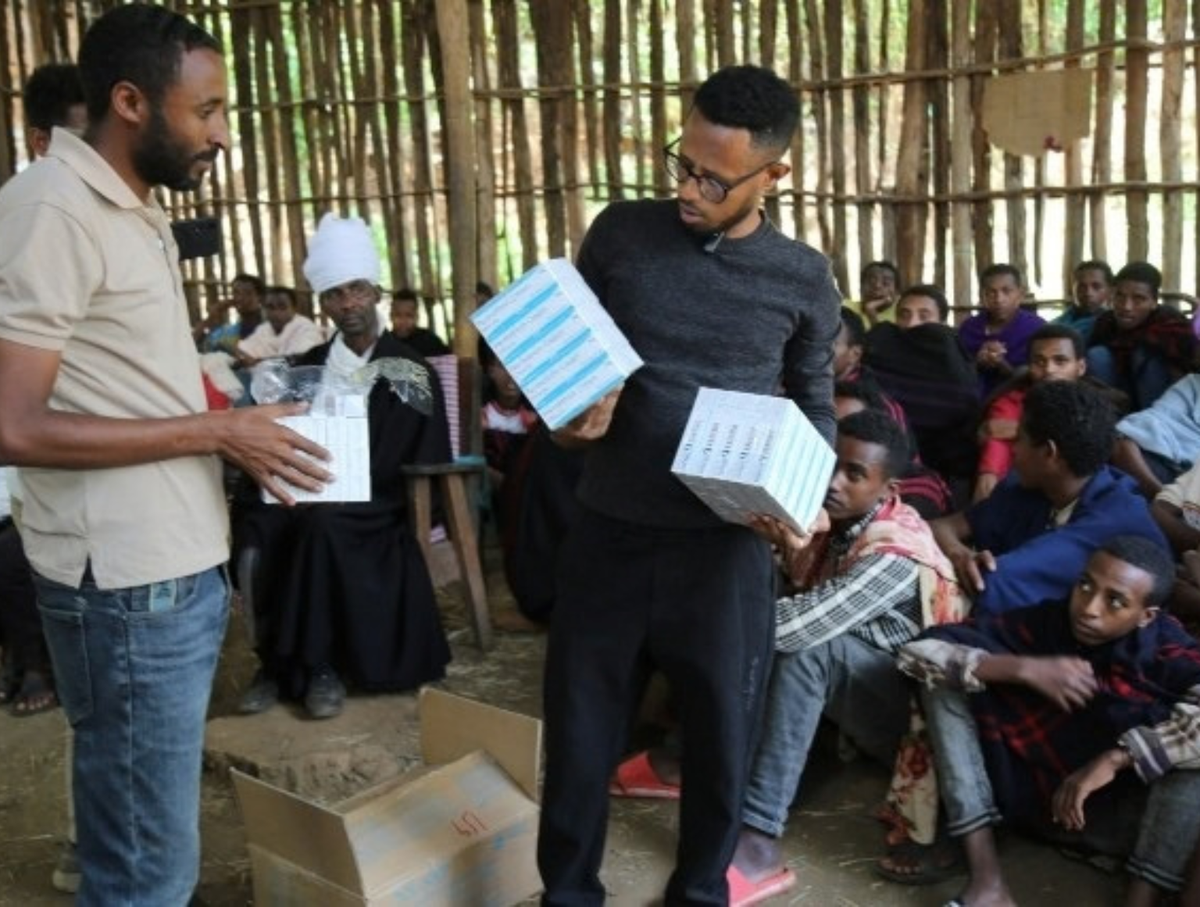
Expanding skin cancer screening and treatment for people with albinism in Congo
Supporting people with albinism living in refugee camps, the initiative delivered skin cancer screening, treatment and prevention services through a community-focused model of care. Hundreds of people received consultations, cryotherapy treatment, surgical intervention where required and education on sun protection. A total of 344 people received dermatological consultations, while 187 patients were treated for precancerous lesions and 17 skin cancers were surgically removed. The project also strengthened referral pathways and demonstrated the effectiveness of mobile clinics in reaching underserved populations.
ILDS Member: Ethiopian Dermatology and Venereology Society
View report
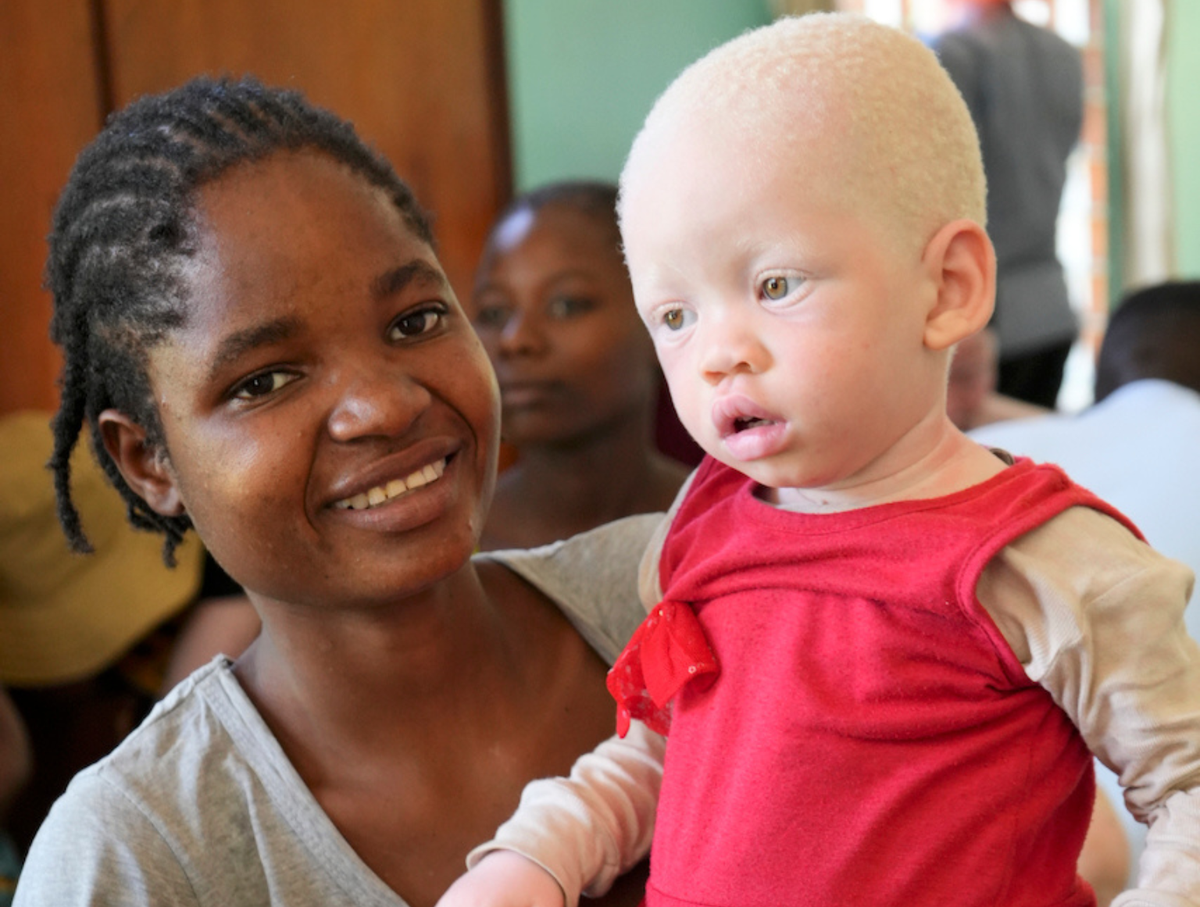
Improving the prevention and treatment of skin disease in displaced communities in Ethiopia
Addressing the burden of skin disease among internally displaced populations, this initiative delivered treatment, education and healthcare worker training within the Chagni Town IDP site. Alongside reducing the impact of contagious skin diseases, the project improved hygiene awareness, strengthened local healthcare capacity and helped integrate skin health into routine primary healthcare services.
ILDS Member: Irish Association of Dermatologists
View report
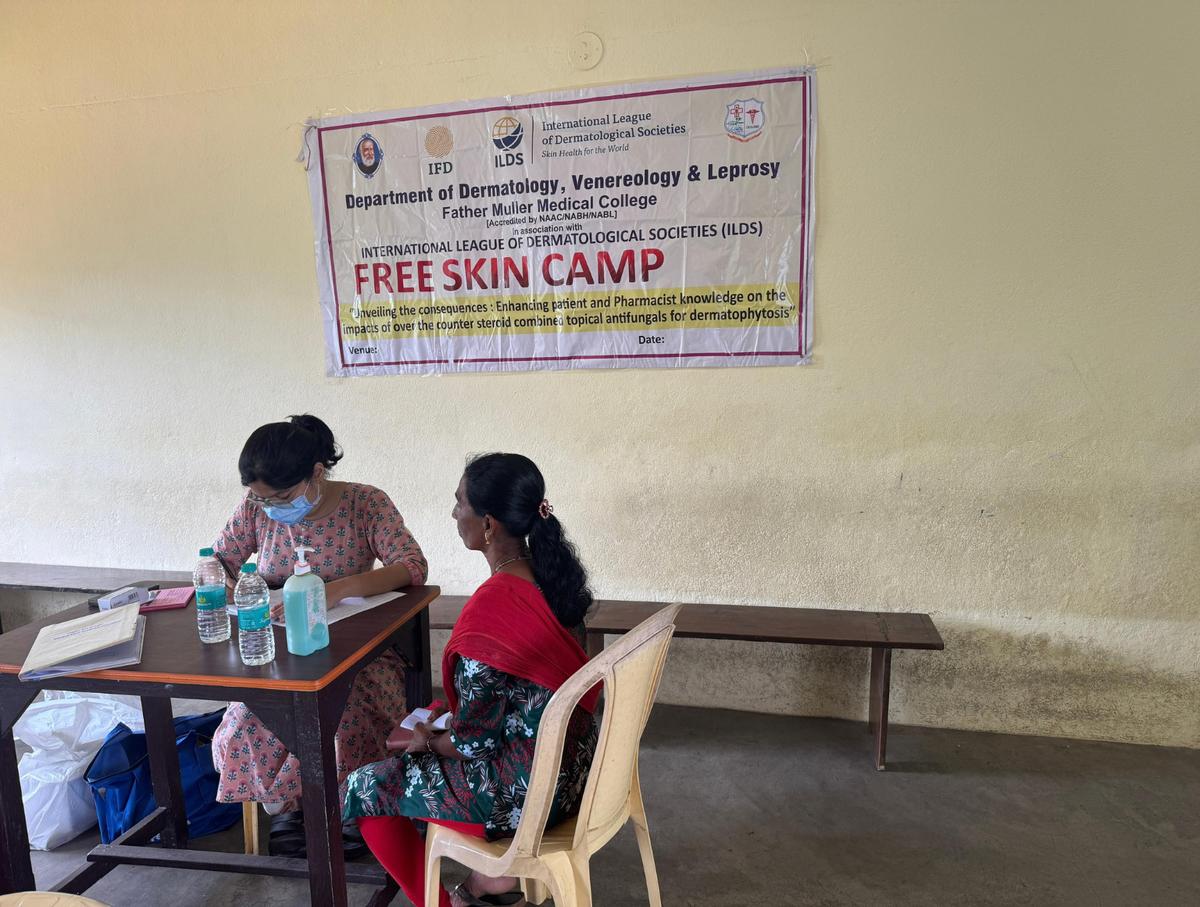
Strengthening dermatology services for people with albinism in Malawi
Supporting people with albinism through improved dermatology services, this initiative strengthened clinical capacity through specialist training, mentoring and service improvement activities. Healthcare professionals developed enhanced skills in diagnosis, treatment and referral practices, while patients benefited from skin examinations, preventive education and access to specialist care. The project contributed to more consistent, data-informed dermatological care across multiple districts. 30 Dermatology and Venereology Officers across ten districts, together with additional healthcare workers, received training, while 214 people with albinism and their families benefited from skin examinations, preventive education and treatment.
ILDS Member: Indian Association of Dermatologists, Venereologists and Leprologists
View report
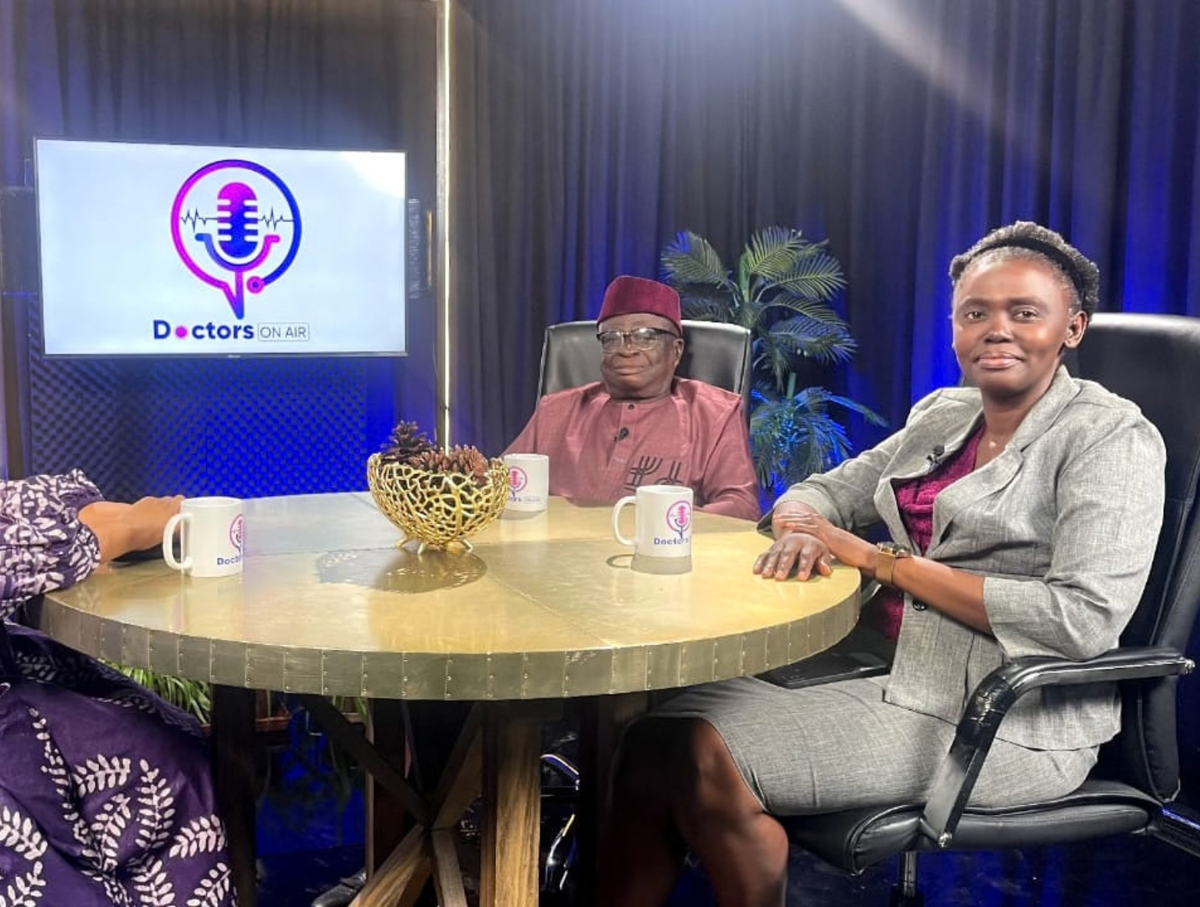
Addressing inappropriate topical steroid use in rural communities in India
Addressing the growing challenge of inappropriate topical steroid use, this initiative improved awareness among patients, pharmacists and healthcare providers in rural communities. Through education, training and awareness campaigns, the project promoted evidence-based treatment practices, strengthened referral pathways and encouraged safer management of common skin diseases.
ILDS Member: Nigerian Association of Dermatologists
View report
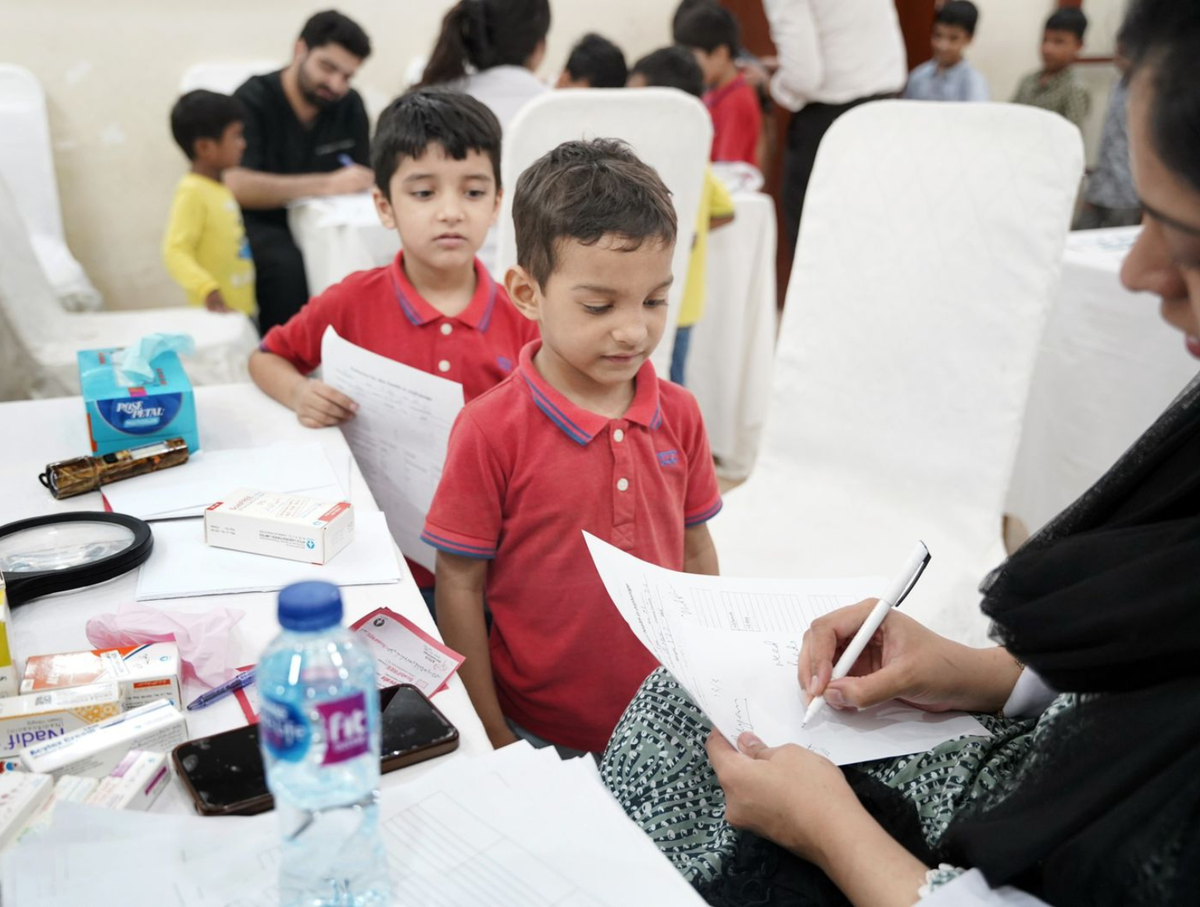
Building patient support networks for people with psoriasis in Nigeria
Focused on improving awareness and support for people living with psoriasis, the initiative established educational resources, developed a patient support network and delivered training and public engagement activities. By creating new platforms for information sharing and community support, the project laid important foundations for improved patient care and advocacy in Nigeria.
ILDS Member: Pakistan Association of Dermatologists
View report
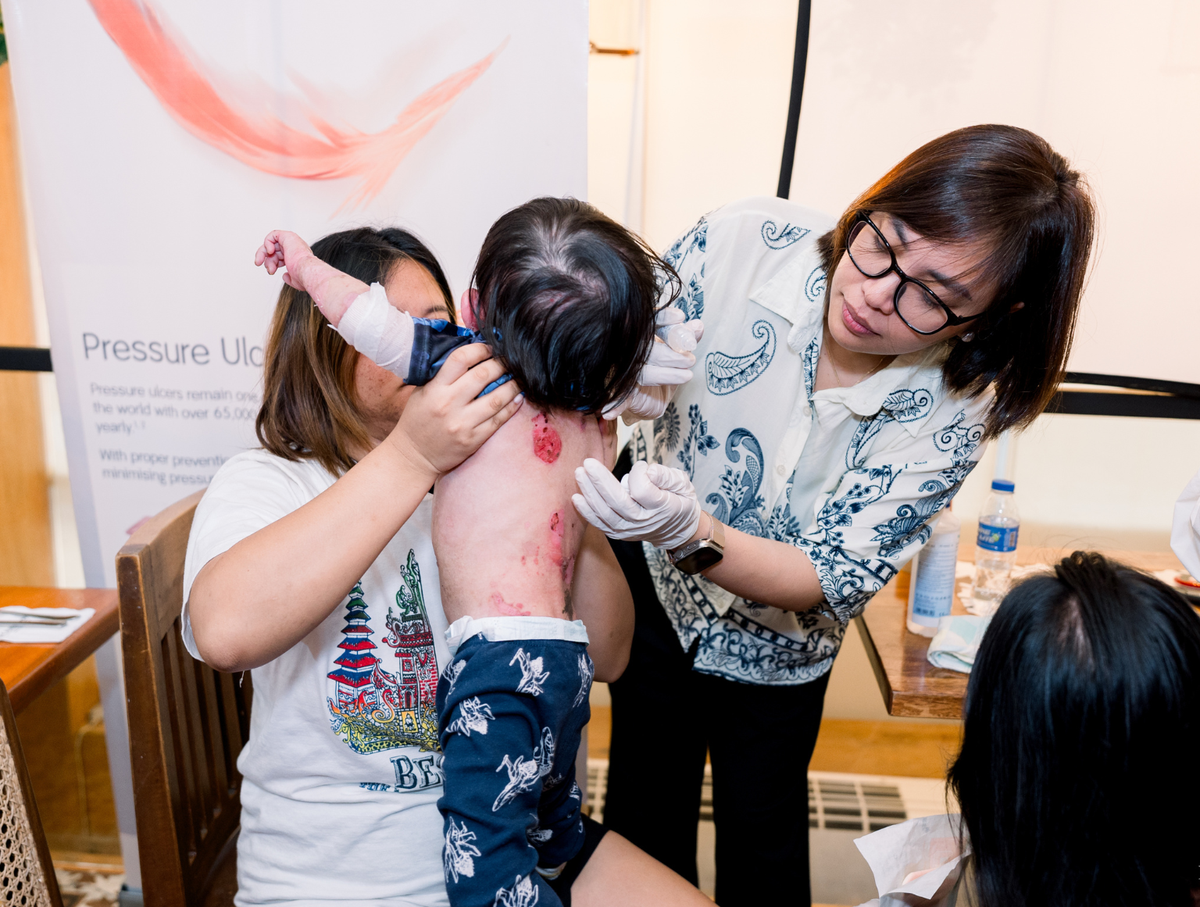
Strengthening dermatology services for vulnerable children in Pakistan
Improving access to dermatological care for vulnerable children and underserved communities, this initiative combined outreach clinics, teledermatology support, education and healthcare worker training. The project helped improve the diagnosis and treatment of common skin conditions while increasing awareness of prevention, hygiene and early intervention among children, caregivers and healthcare professionals.
ILDS Member: Philippine Dermatological Society
View report
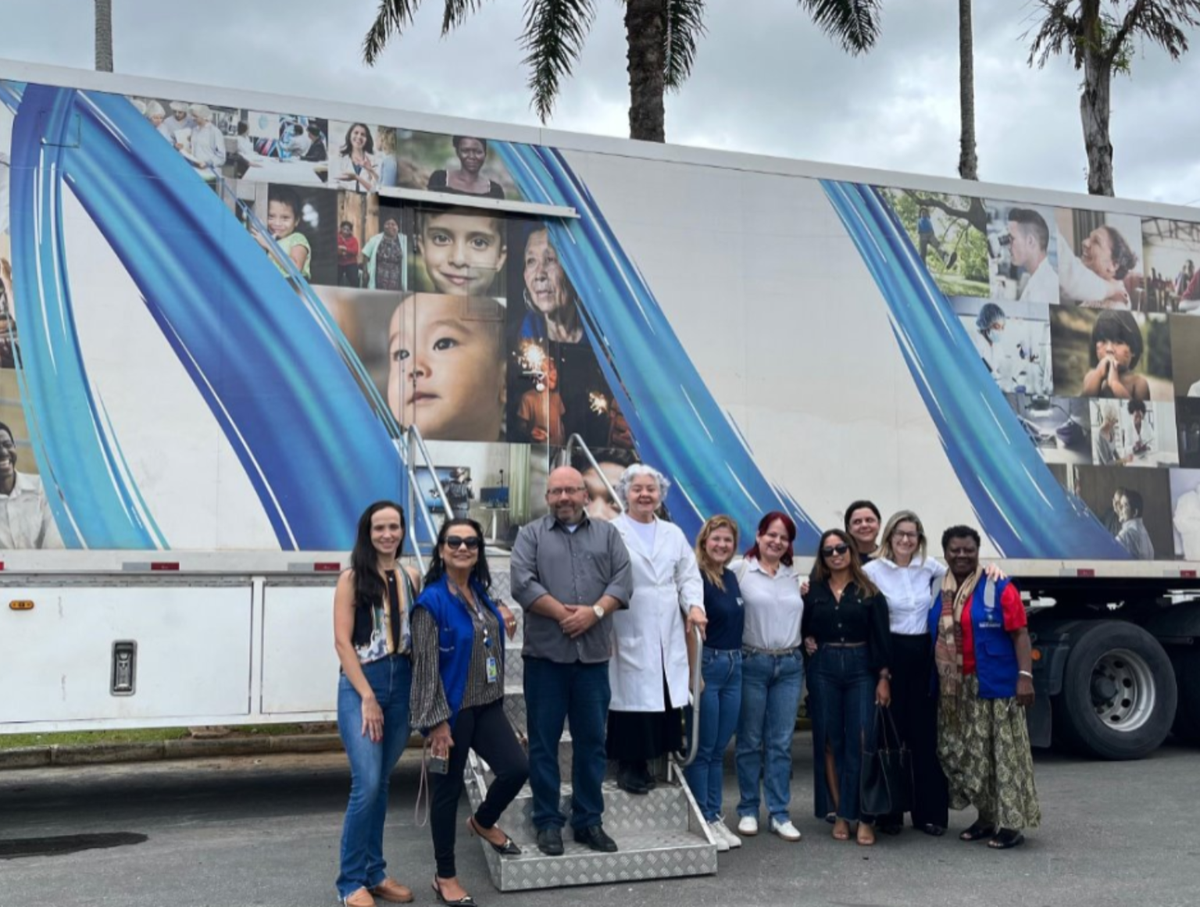
Building capacity and support networks for people living with epidermolysis bullosa in the Philippines
Supporting people living with epidermolysis bullosa (EB), this initiative improved awareness, wound care practices and access to support networks for patients and families. Healthcare professionals received additional training, advocacy efforts were strengthened and new foundations were established to support better diagnosis, management and long-term care for people living with EB in the Philippines.
ILDS Member: Brazilian Society of Dermatology
View report
Improving leprosy awareness, early detection and skin health care in Brazil
Expanding leprosy awareness and early detection efforts across the state of Rio de Janeiro, this initiative trained more than 700 healthcare professionals and provided care for over 800 patients with dermatological complaints. By strengthening professional knowledge and increasing community outreach activities, the project contributed to earlier diagnosis and improved management of leprosy and other skin diseases.
ILDS Member: Society of Dermatologists, Venereologists and Leprologists of Nepal
View report
Improving awareness and prevention of topical steroid misuse in Nepal
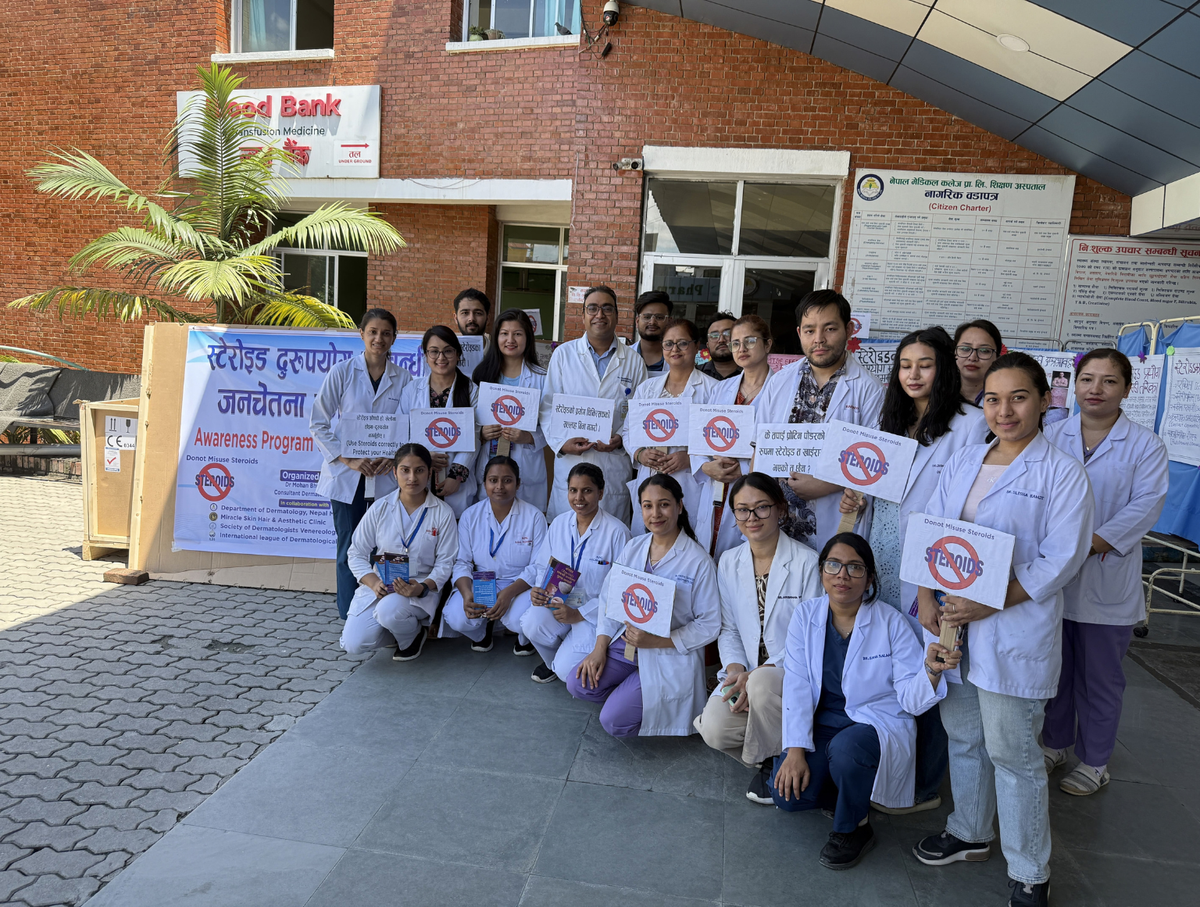
Addressing the growing public health issue of topical steroid misuse, this initiative combined public awareness campaigns, healthcare professional training and policy engagement activities. Community members, pharmacists and physicians increased their understanding of the risks associated with inappropriate steroid use, while discussions with policymakers helped encourage longer-term improvements in regulation and public education.
ILDS Member: Malagasy Society of Dermatology
View report
Improving access to specialist care for neglected tropical skin diseases in Madagascar
Strengthening the diagnosis and management of neglected tropical skin diseases, this initiative delivered practical training, therapeutic education and psychosocial support for 427 patients and providing practical training to 18 healthcare professionals and six dermatology residents. The project also established referral and consultation networks across multiple districts, helping improve access to specialist expertise and supporting more sustainable dermatology services in underserved communities.
ILDS Member: Tanzania Society for Dermatovenereology
View report
Promoting skin health awareness and early intervention in Tanzanian schools
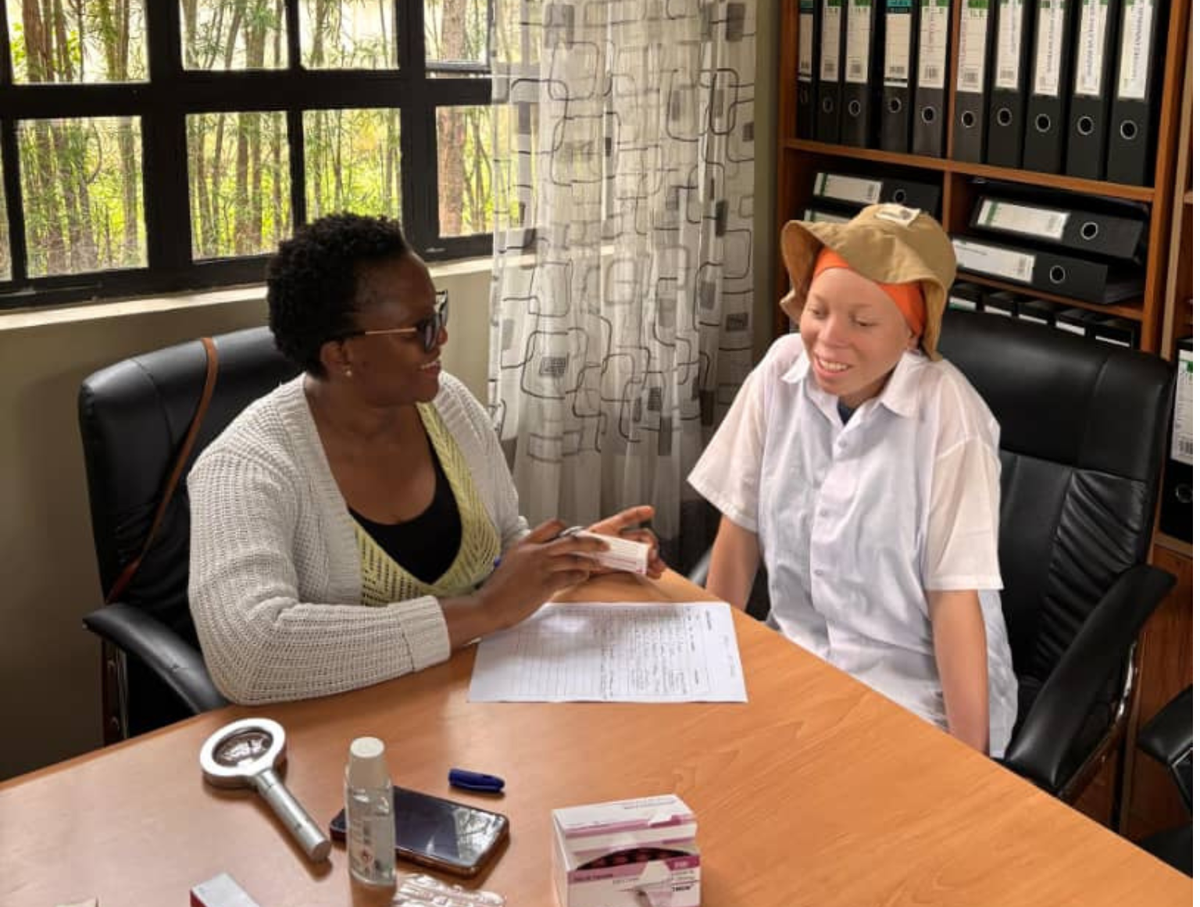
Working with students, teachers and school health caregivers, this initiative improved awareness of common skin conditions, prevention strategies and healthy skincare practices. Training and education activities strengthened referral pathways, supported students living with albinism and promoted earlier identification and treatment of skin diseases, helping improve skin health outcomes and quality of life for young people across participating schools.
A shared commitment to skin health for the world
The achievements of 2024 and 2025 demonstrate what can be accomplished when local leadership is supported through targeted funding, shared expertise and international collaboration. From strengthening healthcare systems and expanding access to care, to training healthcare professionals and supporting vulnerable communities, DermLink continues to help turn local knowledge into lasting impact.
Together, these projects showcase the dedication of ILDS Members, healthcare professionals, community organisations and volunteers working to reduce inequalities in skin health around the world.
They also demonstrate how locally led solutions can create sustainable improvements that continue to benefit communities long after individual projects have ended.
The ILDS is proud to support these locally led initiatives through the DermLink Grants Programme and looks forward to seeing future projects continue to improve skin health in communities around the world.
Find out more about ILDS Grants
For more information about the DermLink Grants Programme and other ILDS Grants, please click below.
Click here