A Further Milestone in Advancing Global Skin Health
17 Sep 2026
"From Resolution to Action: Implementing the WHA Resolution on Skin Diseases"
Key Takeaways from the 79th World Health Assembly Side Event on Diseases of the Skin
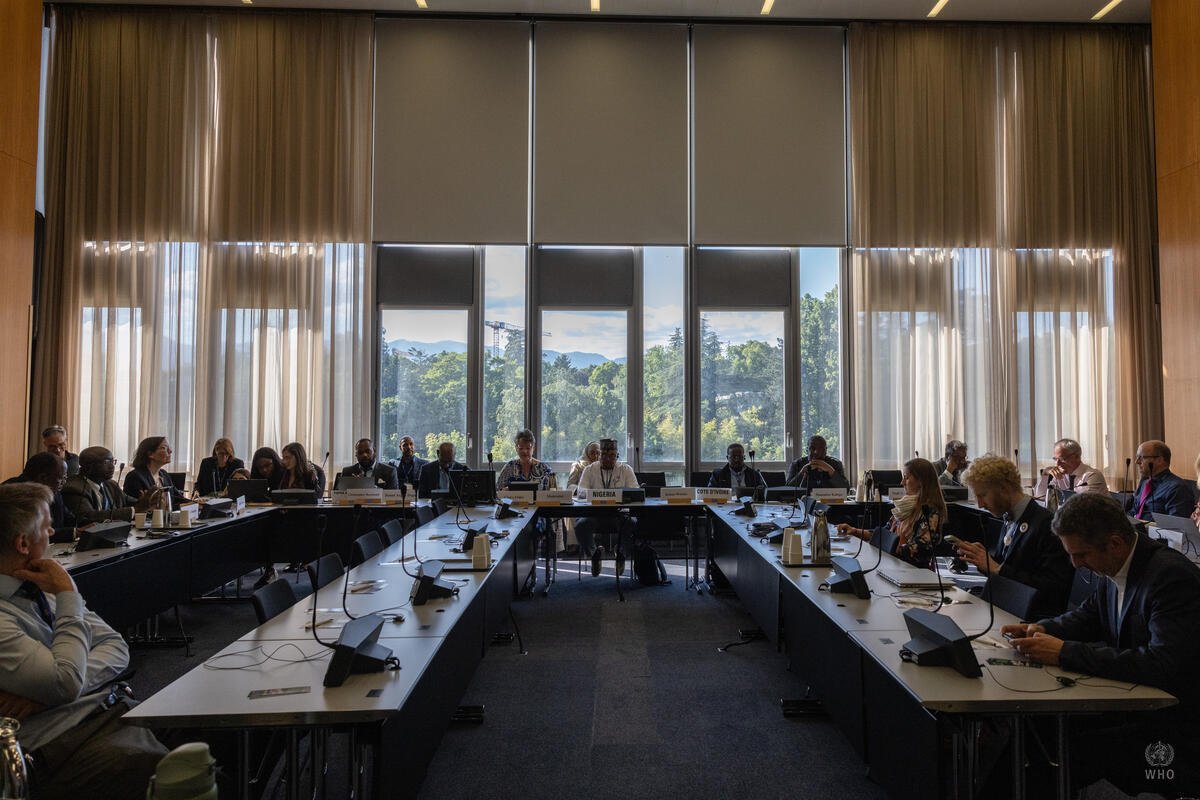
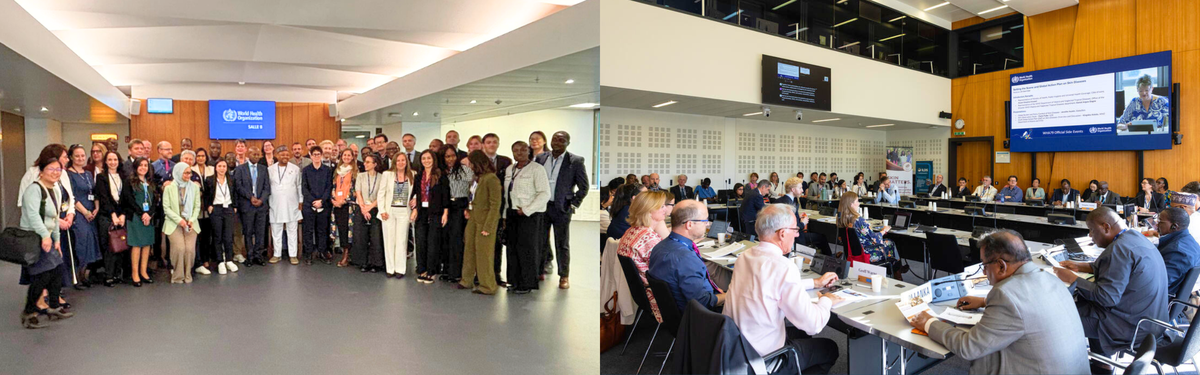
On 21st May 2026, during the 79th World Health Assembly (WHA) in Geneva, the first-ever official side event for skin health and global skin diseases was co-sponsored by Member States Cote d'Ivoire and Togo, and co-organized by the International League of Dermatological Societies (ILDS), Anesvad Foundation, the International Federation of Anti-Leprosy Associations (ILEP) and the International Alliance of Dermatology Patient Organizations (GlobalSkin).
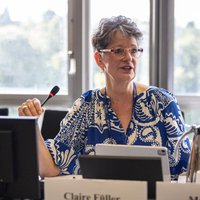
Following on from the landmark resolution WHA78.15 adopted in May 2025 recognising skin diseases as a global public health issue, the event showcased early progress in implementing this ambitious mandate. Dr Claire Fuller (Event moderator, ILDS/IFD) warmly welcomed both in-person and online attendees which included representatives of governments, the World Health Organization, civil society, researchers, clinicians and people with lived experience.
....Despite the enormous burden [of skin diseases], skin health has historically remained fragmented and underprioritized within health systems" and "today's discussion is about moving from commitment to implementation...what a Global Action Plan should look like...
Dr Claire Fuller
Session One
Setting the scene and Global Action Plan on Skin Diseases
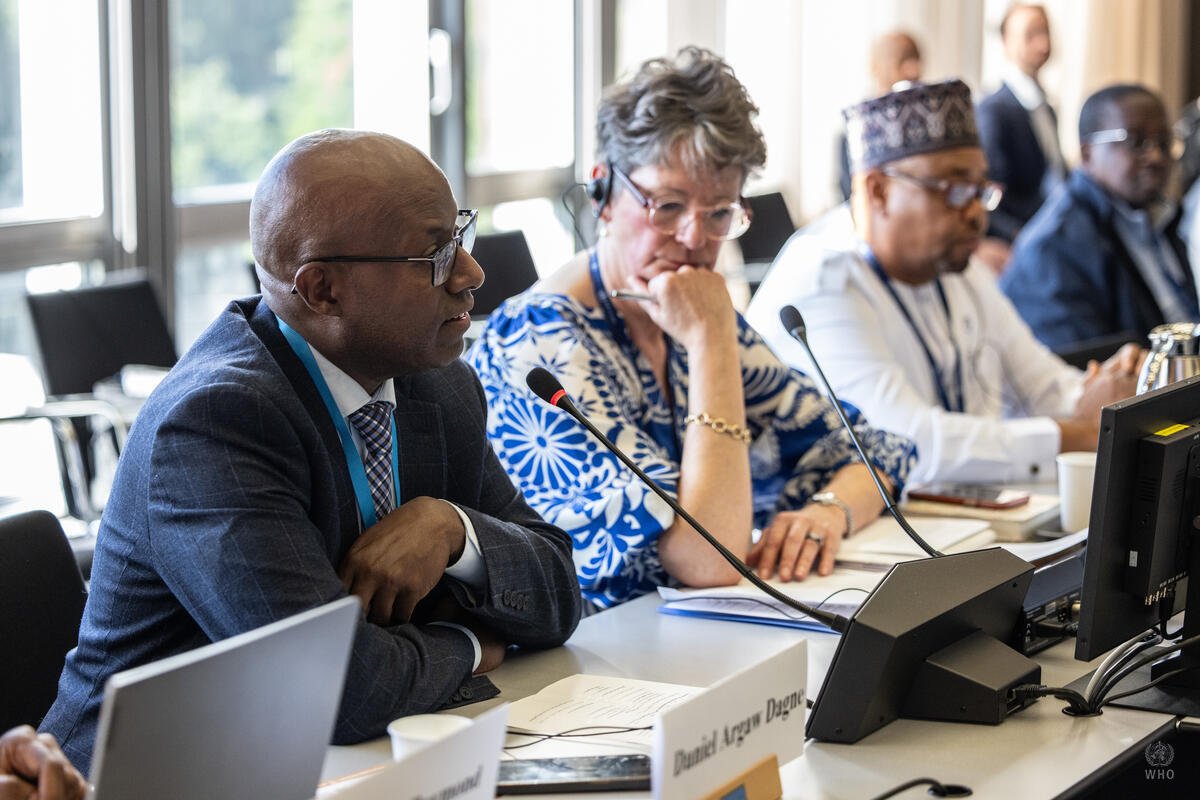
Introductory remarks were made by Dr Amani Simplice Kouassi, Ministry of Health, Public Hygiene and Universal Health Coverage, Cote d'Ivoire and Dr Daniel Argaw Dagne, WHO Department of Malaria and Neglected Tropical Diseases (NTDs).
Read the report (PDF)
Download the PDF version of the 79th World Health Assembly Side Meeting Report.
Click to download
"I would like to emphasise the importance of implementation and the need for all partners, as well as WHO, to support and encourage efforts to move this resolution forward for the benefit of our populations." - Dr Amani Simplice Kouassi
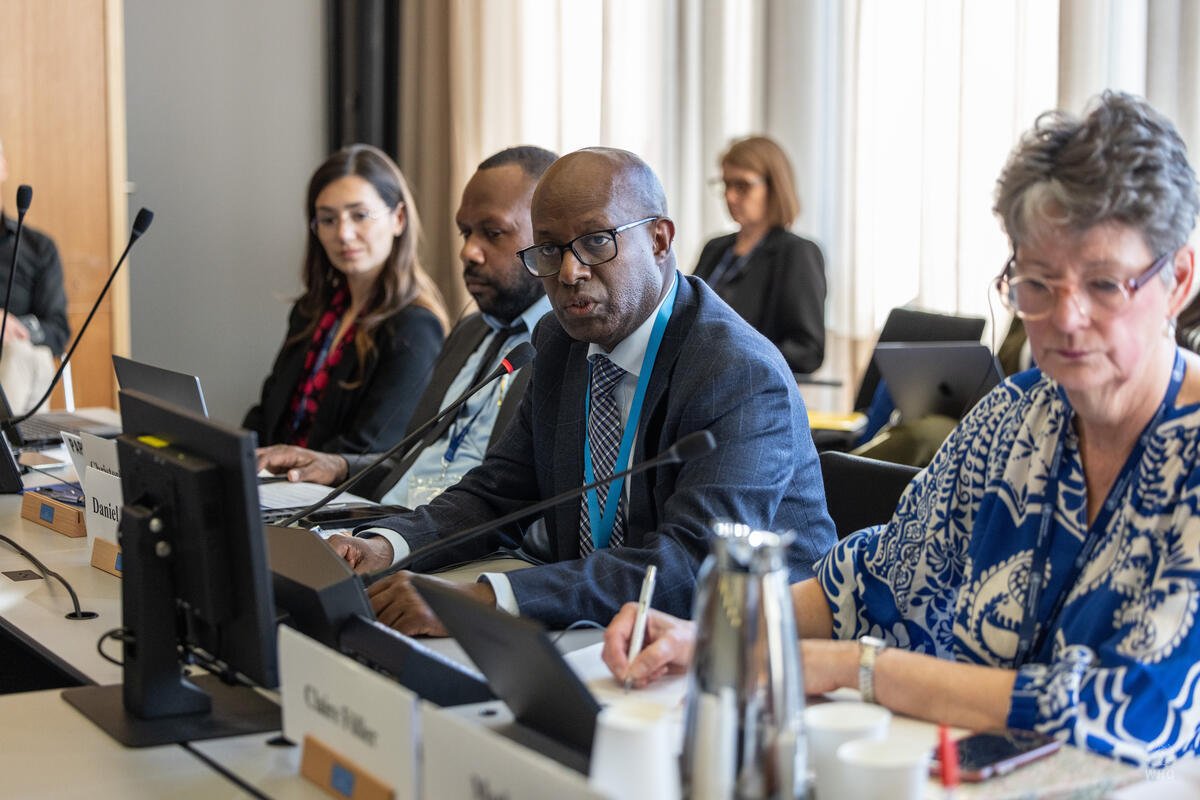
"The Global Action Plan gives us a clear direction to integrate skin health into primary health care, deliver services through systems - not isolated programmes, address equity and stigma as core health system issues and use data not only to report - but to drive decisions and accountability... The next step is strong advocacy & commitment for implementation at scale and collective execution." - Dr Daniel Argaw Dagne
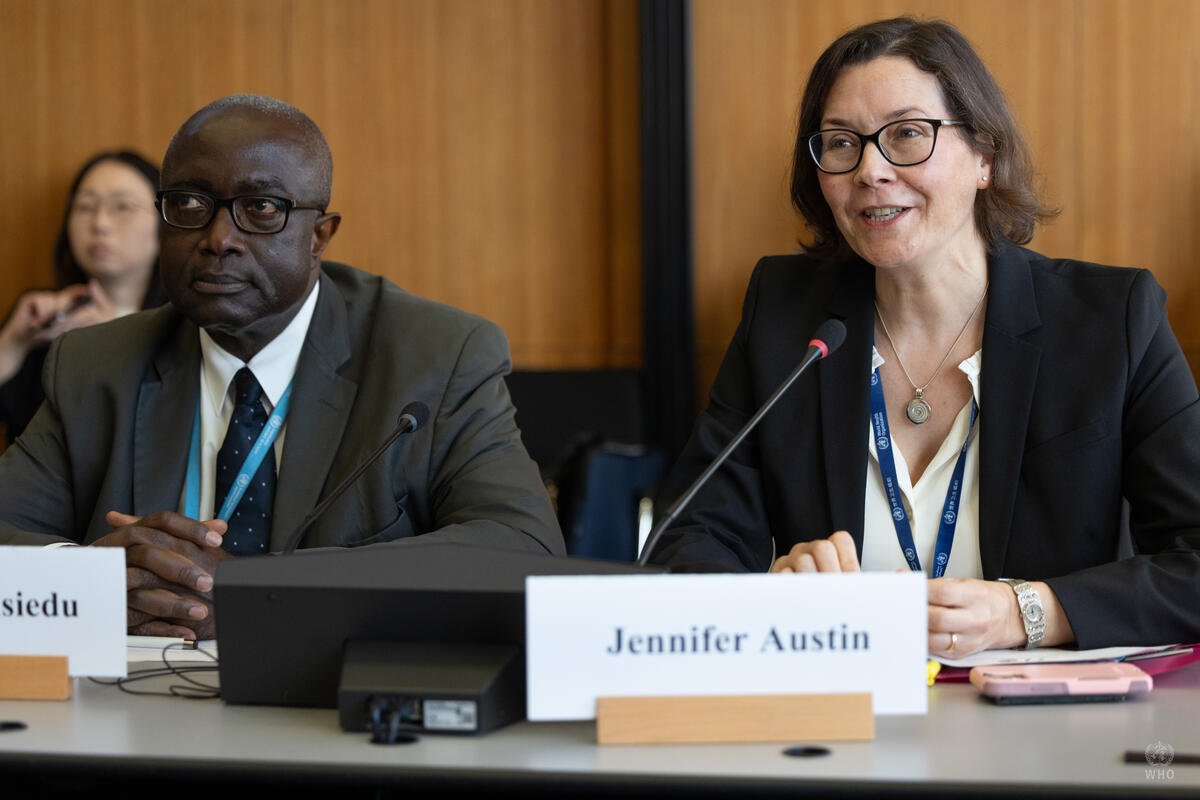
Three key presentations then followed:
- Global Burden and Policy Context of Skin Diseases
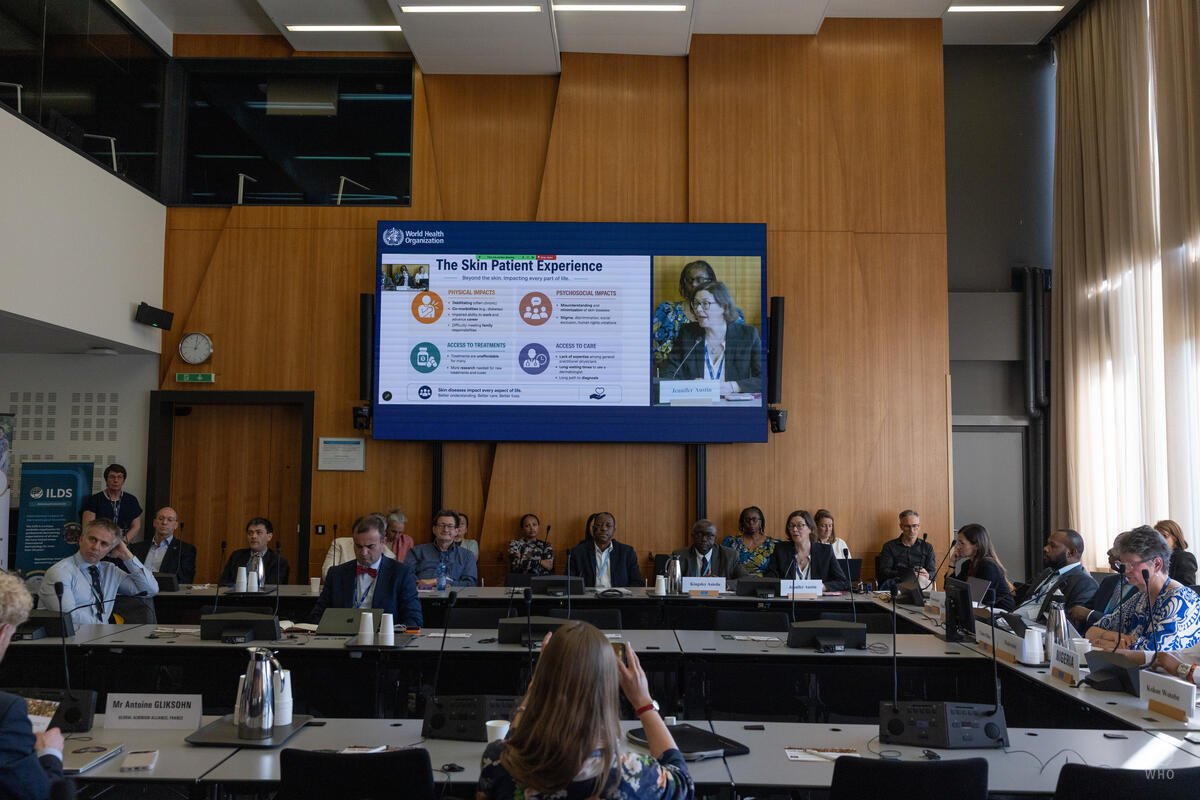
Ms Jennifer Austin, GlobalSkin
The global skin diseases patient community is already mobilising with a call to action to Member States to support the formation and sustainability of patient organizations, and to enhance their active engagement in policy and programme implementation. As part of this effort, GlobalSkin recently concluded regional consultations with its global community of 345 member organizations across 85 countries. The aim was to capture patient priorities, identify shared regional needs and to prepare GlobalSkin Members to engage in regional and national advocacy- all in an effort to fully leverage the power of the Skin Diseases Resolution adopted by the WHA in 2025 and to help inform the development of the Global Action Plan on skin diseases. A summary of this was in Ms. Austin's presentation.
"Skin patients experience physical impacts; ... psychosocial impacts with misunderstanding and minimization ("It's just your skin!") plus stigma and discrimination ... often people cannot afford treatment, and ... the path to diagnosis can be often very protracted for patients ... The Resolution speaks to these challenges. - Ms. Jennifer Austin
2. Global Access to Skin Health Observatory (SkinObservatory) and Skin Health Training Hub Skin
Dr Claire Fuller, IFD Chair
Noting that the resolution requires action, Dr Fuller introduced two ILDS/WHO collaborative initiatives which are addressing this. Firstly, the SkinObservatory is an expert industry/WHO collaboration led by Professor Esther Freeman, Boston, USA, which provides global data on disease burden and access to care. Publication of results collected from158 countries is anticipated soon. Furthermore, a free online data explorer which will allow data to be accessible and hence impactful for all, is expected to launch later in 2026, with features including downloadable maps and graphs as publications accrue, with data viewable by region and country.
Secondly, the ILDS Skin Health Training Hub is a free global learning platform, offering practical, expert-led, accessible education for frontline healthcare and community workers, physicians, nurses and allied health professionals, educators, researchers and policy stakeholders. Courses are designed to build real-world skills, strengthen clinical confidence and support better outcomes for people with common skin conditions, particularly in underserved areas. The ILDS is also working hard with the wider stakeholder community to support Member States to translate the resolution into implementation and measurable action via the World Health Assembly Implementation Task Force (WHARI).
3. Draft Global Action Plan (GAP) on Skin Diseases 2026 20235
Dr Kingsley Asiedu, WHO Dept. of Malaria and NTDs
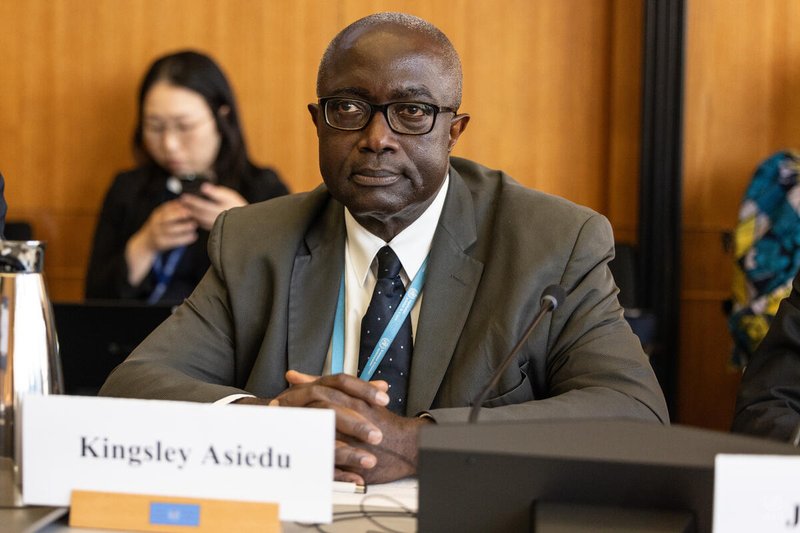
The resolution has opened up a new policy window for skin diseases, in which there is a transition from a few disease-specific programmes to integrated, measurable and financed skin health services embedded within national systems. The draft GAP on Skin Diseases underwent two rounds of online global public consultations during October 2025 and April/May 2026, enabling feedback from multiple stakeholders from all six WHO Regions.
The vision is a world where everyone has equitable access to high-quality skin health services without financial hardship, stigma or discrimination. The goal is to improve outcomes, quality of life and social inclusion through early recognition, diagnosis, referral and affordable, people-centred care.
Seven strategic objectives include:
- co-ordination and financing
- national health planning
- people-centred services
- workforce capacity building
- equity and compassionate care
- surveillance and data systems and laboratory networks
- research to form a cohesive framework.
A two-phased approach is planned: from 2026-2030 'Building foundations' and from 2031-2035 'Scaling up and sustaining impact'.
The main idea is to bring healthcare closer to those who need it most, with a particular focus on strengthening primary health care, whilst ensuring that existing services do not become overloaded. Supportive 'practical enablers' which can help countries deliver the plan include workforce training; essential commodities (medicines, wound care supplies, diagnostics, assured supply chains); data systems; tiered laboratory networks, digital health tools such as teledermatology and decision-support tools and finance with costed national plans and sustainable domestic funding.
Equity and putting people at the centre of skin health systems will be key to developing trust and patient satisfaction. Indicators and targets will be developed to help monitor progress and support decision-making and improvements, but care is needed not to generate an excessive reporting burden.
To translate the GAP-Skin into practice, WHO with stakeholder support, will develop a comprehensive Operational Manual, including primary care diagnostic algorithms, training curricula, indicators, budgeting templates and checklists. A WHO-convened, country-led, multi-level coordination model is needed to support implementation and accountability, protect existing disease-specific programmes, whilst integration should improve efficiency and access. Following further consultations, the GAP will be submitted to the WHA in May 2027 for consideration for adoption.
We need commitment from everyone, we need to integrate skin health into primary health care, we need ‘enablers’ to get things done (the operational manual to guide countries), we need to empower people and also countries to take action and we need strong partnership in order to drive the effort…
Dr Kingsley Asiedu
Session Two
Country Experiences in Addressing Skin Diseases - Progress, Innovations, and Challenges
In a panel 'Q and A' format, moderator Ines Egino, (Anesvad Foundation) invited representatives of Cote d'Ivoire, Togo, Papua New Guinea, Sri Lanka and Nigeria to discuss some of the salient updates and challenges from each of their country's perspective and what can we learn from each other.
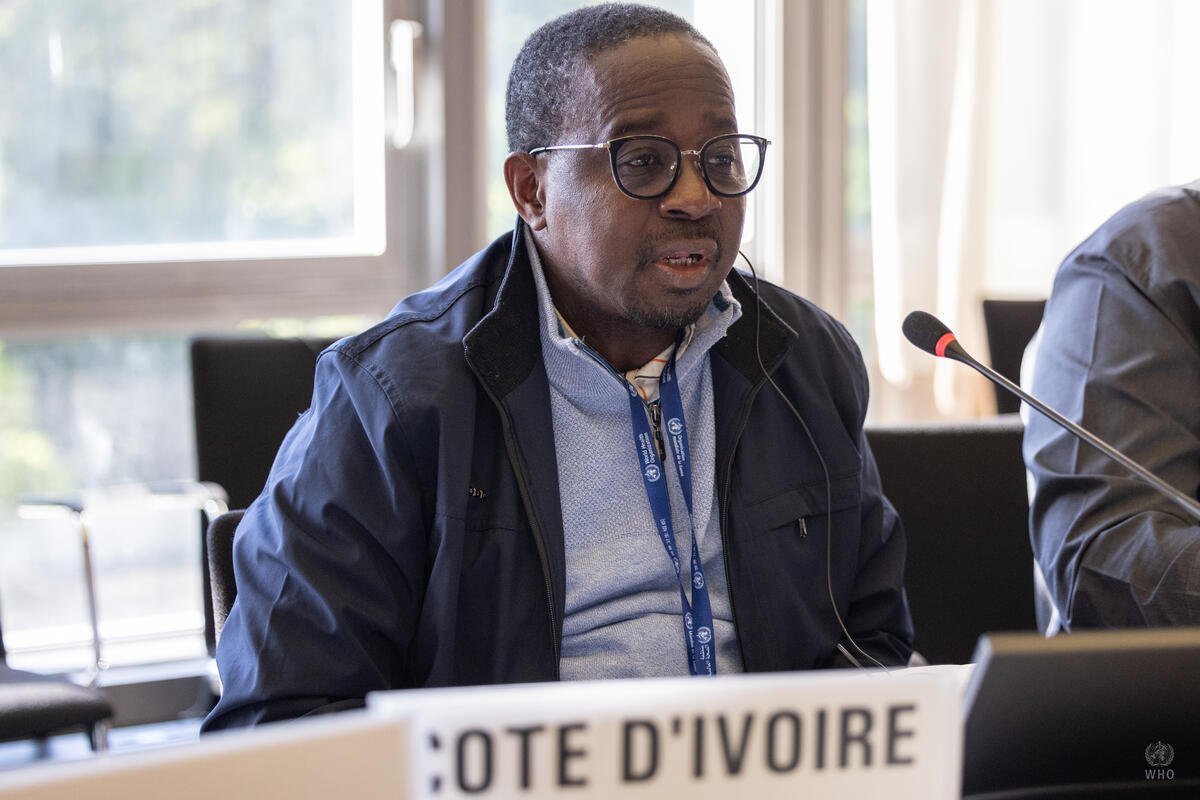
Prof Kaloga, Cote d'Ivoire, discussed a pilot teledermatology project which has been an important initiative for his country because of the shortage of dermatologists and the difficulty accessing specialised dermatological care in remote areas. They have defined technical and performance indicators and trained nurses and community health workers to identify and manage simple skin diseases. Dermatologists have also been closely involved in supervising and supporting the programme. The most commonly observed skin diseases were fungal skin infections, atopic dermatitis, chronic skin conditions, and dermatophytosis.
“[The teledermatology pilot project revealed] a reduction in the indirect costs for patients, especially transport costs associated with travelling to see a dermatologist and the average travel distance for patients seeking specialist dermatology care was reduced. Overall, there was good satisfaction among participants using the platform.”
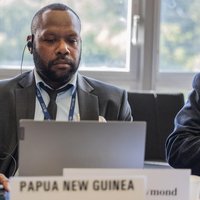
Dr Marin Kokou Wotobe, Togo welcomed the resolution and the Draft Global Action Plan as they provide an excellent opportunity for capacity strengthening of healthcare providers and for improving coordination among all stakeholders involved in the prevention and management of skin diseases.
"[The Global Action Plan]...also allows communities to be mobilised in order to address and reduce the stigma associated with these diseases."
Dr Marin Kokou Wotobe
When asked about the main challenges in expanding existing programmes in Papua New Guinea (PNG) to cover all endemic skin diseases, Mr Christopher Raymond informed the meeting that skin diseases often compete for attention and resources with higher health priorities such as tuberculosis, HIV and malaria and other conditions associated with a higher mortality and morbidity. As a result, many skin diseases remain under-recognized, despite the significant impact on quality of life, disability, stigma, school-attendance and socio-economic consequences.
"A second major challenge is limited visibility of skin diseases within the national health information system. Many skin diseases are either not routinely reported or are grouped under broad categories, which means the true burden is not regularly captured. This creates a cycle where low visibility leads to lower prioritization, limited financing and insufficient programmatic attention...
In this context partnerships with scientific and academic institutions have become extremely important. The PNC Institute of Medical Research has been a strong technical partner with the Department of Health...[assisting with] scientific surveys and endemicity assessments..."
- Mr Christopher Raymond
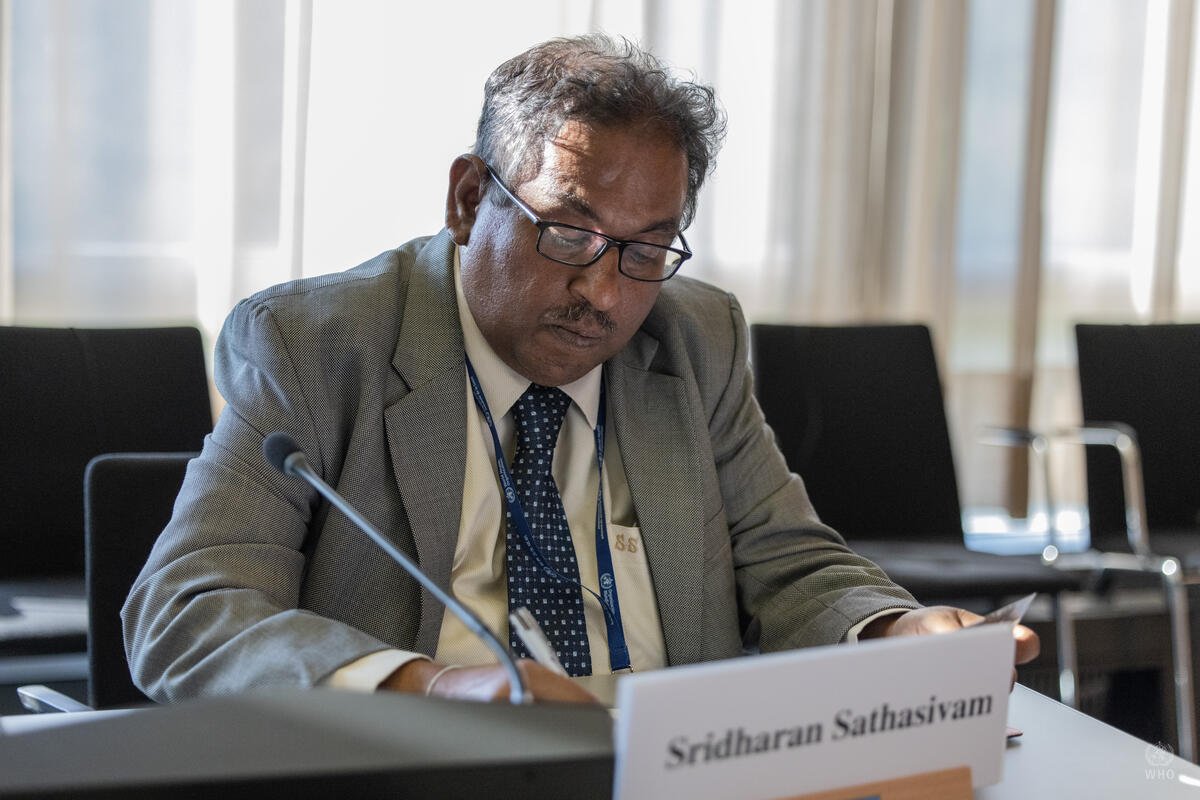
Dr Sridharan updated that skin diseases are now included within the National Health Master Plan as policy in Sri Lanka. When the resolution was adopted, Sri Lanka was in the midst of developing its national health plan for 2026-2035. This process was temporarily halted, at the time, to incorporate essential elements of the resolution.
The country is planning training of primary health workers to recognise and manage common skin diseases with standardised treatment protocols included for eczema, fungal infections, scabies, and albinism relating to skin cancers, plus proper referral systems for complex cases and telemedicine support for rural clinics.
Furthermore, they have invited the College of Dermatology to form a joint task force with the Ministry of Health to help with national surveillance and data mapping and expansion of digital health. Importantly arrangements are planned to ensure essential medicines will be available at community level, together with sunscreens and access to biopsy and pathology services.
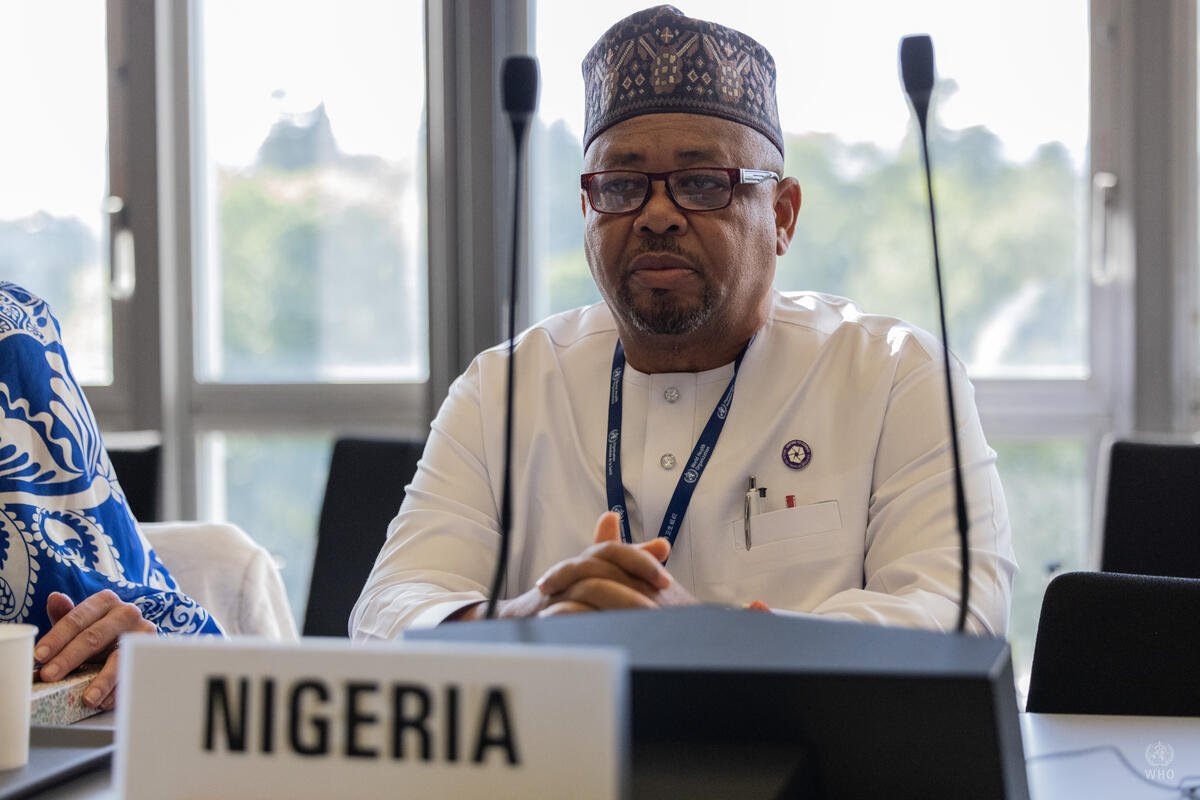
Mr Fatai Oyediran, described Nigeria's journey towards integration of skin NTDs, starting with the first WHO Global Meeting on Skin NTDs in Geneva in 2023. The multiple achievements to date for Nigeria include development of a manual for case management of Skin NTDs; appointment of a National Desk Officer for Skin NTDs; establishment of a Technical Working Group for Skin NTDs and improvements in data reporting as most skin NTDs have not been mapped. Funding is an issue.
Session 3
Stakeholder Perspectives & Discussion
In this session, which was moderated by Geoff Warne (ILEP), a wide range of nonstate actors and civil society stakeholders shared their perspectives on the importance of collaboration as implementation of the resolution advances.
Ms Tina Mesaric who has lived experience of atopic dermatitis and heads Zavod Atopika, which she founded to support people with this condition, shared that she and her colleagues advocate and educate patients and health care providers, help ensure that health care services reflect real patients' needs and collaborate with many different stakeholders for policy changes. She further highlighted that lived experience must be included in policy development and implementation so that the outcomes that matter most to patients and their families are achieved.
We really try to be recognised as credible and valuable stakeholders. We support the formation and sustainability of patient organisations...We support the principle that 'Nothing is done for the patient, without the patient..."
- Ms Tina Mesaric
Ms Ines Egino, Anesvad Foundation, provided an international civil society organization's perspective, highlighting that civil societies sit at the intersection of policy and practice, close enough to communities to understand what is actually happening and connected enough to global processes to translate that knowledge upwards - their position is not charitable, it is strategic. Whereas governments respond to political cycles and the WHO responds to Member States, civil society organizations at their best respond to communities continuously. The best model is for civil society organisations to negotiate their role within national programmes with clear accountability on both sides. Also, the funding architecture needs to be fit for purpose.
“Civil society is the bridge between this room and those rooms — the clinics, wound care centres and waiting rooms where people with skin diseases are finally seen and treated with dignity.”
Ms Inés Egino
Ms Linda Hummel, CEO, NLR highlighted that NGOs are used to having lead country programmes, and working in a participatory way is their core business. With respect to leprosy, as cases become rarer, integration of programmes into national health services becomes key in the pathway to elimination. Practical examples of collaborations included the 'skin camps' outreaches for contacts of leprosy patients in Africa which involved multi-sectoral teams diagnosing many types of skin diseases and reducing stigma and the NLR Skin App, now modified to the WHO Skin NTD App.
With these examples and many others, we are ready to be your partner, moving the resolution from paper to practice.
Dr Claire Fuller, ILDS, explained that the expert dermatology community has a key role, not only in delivering specialist care, but also in helping translate the resolution into practical implementation. Dermatologists can support implementation by contributing scientific evidence and research; supporting standards of care and surveillance systems; working with governments, primary care systems, and patient organisations and embedding skin health within broader health strategies and universal health coverage efforts. Decentralisation of dermatology expertise, with training of non-specialists, particularly in settings with limited specialist workforce capacity, will enable care closer to communities, supported by teledermatology and augmented intelligence-supported tools. Community skin health education represents another major opportunity for partnership by means of public awareness campaigns, school-based education and accessible digital resources.
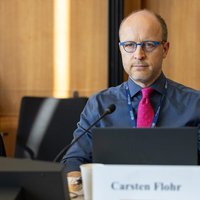
Prof Carsten Flohr, in response to the question "What is the role of dermatoepidemiological research towards implementing the resolution and how will the recent Lancet Commission on Skin tie into that?" emphasised that all planning and policy-making around skin health will need robust data. Specific contributions to this area include the ILDS Global Skin Disease Atlases on atopic dermatitis, psoriasis, hidradenitis suppurativa and vitiligo. The SkinObservatory will also be critical in understanding access to treatment and the global dermatology work force.
The recent Lancet Commission on Skin is a very exciting development, as this is the first time that skin diseases have been put on the map of a high impact general medical journal series and particularly because previous Lancet Commissions in other disease areas have led to substantial changes in global health policy. Other new developments include the ILDS Global Dermato-Epidemiology Forum partnering with the WHO, European and American epidemiologists, skin public health experts from all over the world and colleagues from the Global Burden of Disease Project.
Last but not least, WHO colleagues have started to collect burden data through the Global Annual Reporting Form Platform, where for the first time we are collecting data on common chronic skin diseases from individual countries alongside fungal infections and the Skin-related NTDs.
Prof Carsten Flohr
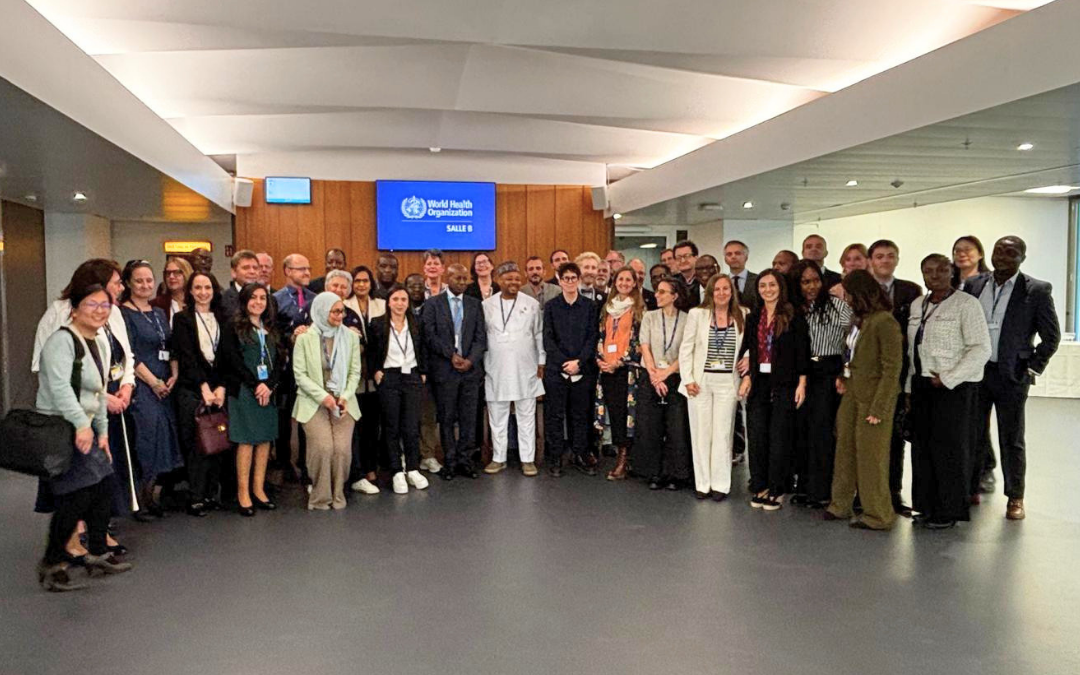
Session Four
Discussion, Conclusion & Closing
A rich discussion ensued in the final session and Dr. Fuller summarized concluding remarks.
Key Takeaway Messages
- A Global Action Plan for Skin Diseases has been drafted, with inputs from two rounds of global on line public consultations.
- Following further discussions with Member States, the GAP will be submitted to the WHA in May 2027 for consideration for adoption.
- A WHO Operational Manual or 'How-to' document is currently being developed to help countries move quickly from policy to delivery.
- The ILDS has announced two new initiatives -The SkinObservatory study and the ILDS Skin Health Training Hub - and is actively fostering implementation of the skin diseases resolution via the WHARI Task Force.
- Several countries highlighted here are already making progress in implementing the resolution. Adequate funding remains a concern.
- Civil society organisations such as patient support organizations are already actively engaged and calling for Member States to increase their support for the formation and sustainability of patient organisations, and to enhance persons with lived experience of skin disease to have active engagement in policy and programme implementation. Civil society organizations have pivotal partnering roles thanks to their strategic positioning between communities and global processes and the research community, such as the dermato-epidemiological research network are crucial, as all planning and policy-making will require robust data.
Panel Speakers
Session 2
- Cote d'Ivoire: Prof Mamadou Kaloga, Director, National Program for the Control of Buruli Ulcer and Other Endemic Skin Diseases
- Togo: Dr Marin Kokou Wotobe, Secretary General of the Ministry of Health, Public Hygiene, Universal Health Coverage, and Access to Care
- Papua New Guinea: Mr Christopher Raymond, Principal Policy Officer, Ministry of Health
- Sri Lanka: Dr Sathavisam Sridharan, Deputy Director General (Planning), Ministry of Health
- Nigeria: Mr Fatai Oyediran, Director, National Coordination, NTD Control and Elimination Programmes, Federal Ministry of Health and Social Welfare
Session 3
- Ms Tina Mesaric, Founder and Executive Director of Zavod Atopika
- Ms Ines Egino, Head of Partnerships and Advocacy for Health, Anesvad Foundation
- Ms Linda Hummel, Chief Executive Officer, NLR -No Leprosy remains
- Dr Claire Fuller, Consultant Dermatologist, Chair of IFD and Director, ILDS
- Prof Carsten Flohr, Chair in Dermatology and Population Health Sciences, Kings College London and Honorary Consultant Dermatologist, Guy's and St. Thomas' NHS Foundation Trust; Director, Global Atopic Dermatitis Atlas and ILDs Global Dermato-Epidemiology Forum, GDEF
Learn about the landmark resolution
Dermatology Societies from Around the World Welcome Milestone WHA Resolution on Skin Diseases. Now we call on Member States and Other Stakeholders to Invest in Equitable Access to Skin Health Services
Learn more
Read our article